
Automatico vs Quarzo: La Guida Completa 2026
La guida in video (in inglese) · 2:47
Scopra gli orologi interessati : Orologi automatici
Capitoli (in inglese)
Trascrizione (in inglese)
It has no battery. And yet, left on a table, it eventually stops. So what keeps it alive? Let's turn it over. This half-moon is the rotor. With every movement of your wrist, it pivots… and winds a spring. The spring is coiled inside the barrel. It's the energy reservoir. When it's full, it slips instead of breaking. You can't overwind it. This power reserve lasts from thirty-eight to eighty hours, depending on the calibre. After that, if it isn't worn, the watch stops. It's not a fault: it's the very principle of an automatic. Without the movements of your wrist, the rotor stops turning, and the spring eventually runs down. But a spring would run down all at once. To turn it into time, it needs a heart. The balance swings endlessly, held by a hairspring as fine as a hair. With each swing, the pallet fork releases the escape wheel by a single tooth. Tick… tock. Six to eight beats a second. That is why the seconds hand of an automatic moves in tiny steps, and seems to glide. A quartz watch, on the other hand, counts the vibrations of a crystal: thirty-two thousand seven hundred and sixty-eight a second. Its seconds hand jumps once a second. It drifts by a few seconds a month; an automatic, by a few seconds a day. But an automatic has no battery, and can be handed down. Watch stopped? Take it off your wrist, crown pushed in, and give it about twenty turns. Never set the date between nine in the evening and three in the morning: the mechanism is already busy changing it. Keep it away from magnets: speakers, magnetic clasps, induction hobs. If it suddenly runs very fast, a watchmaker can demagnetise it in a few minutes. And a service roughly every five years, depending on the manufacturer: the oils eventually dry out. A watch winder is only useful for watches you don't wear every day. If you wear it daily, your wrist does the winding. Discover a whole selection of automatic watches at Montres Outlet.
Altre guide in video
 ▶ 2:13
Perché tutti gli orologi mostrano 10h10: simmetria, leggibilità e ipotesi del sorriso
 ▶ 3:03
Mercato grigio: perché un orologio autentico può essere diverso da quello visto in negozio
 ▶ 2:39
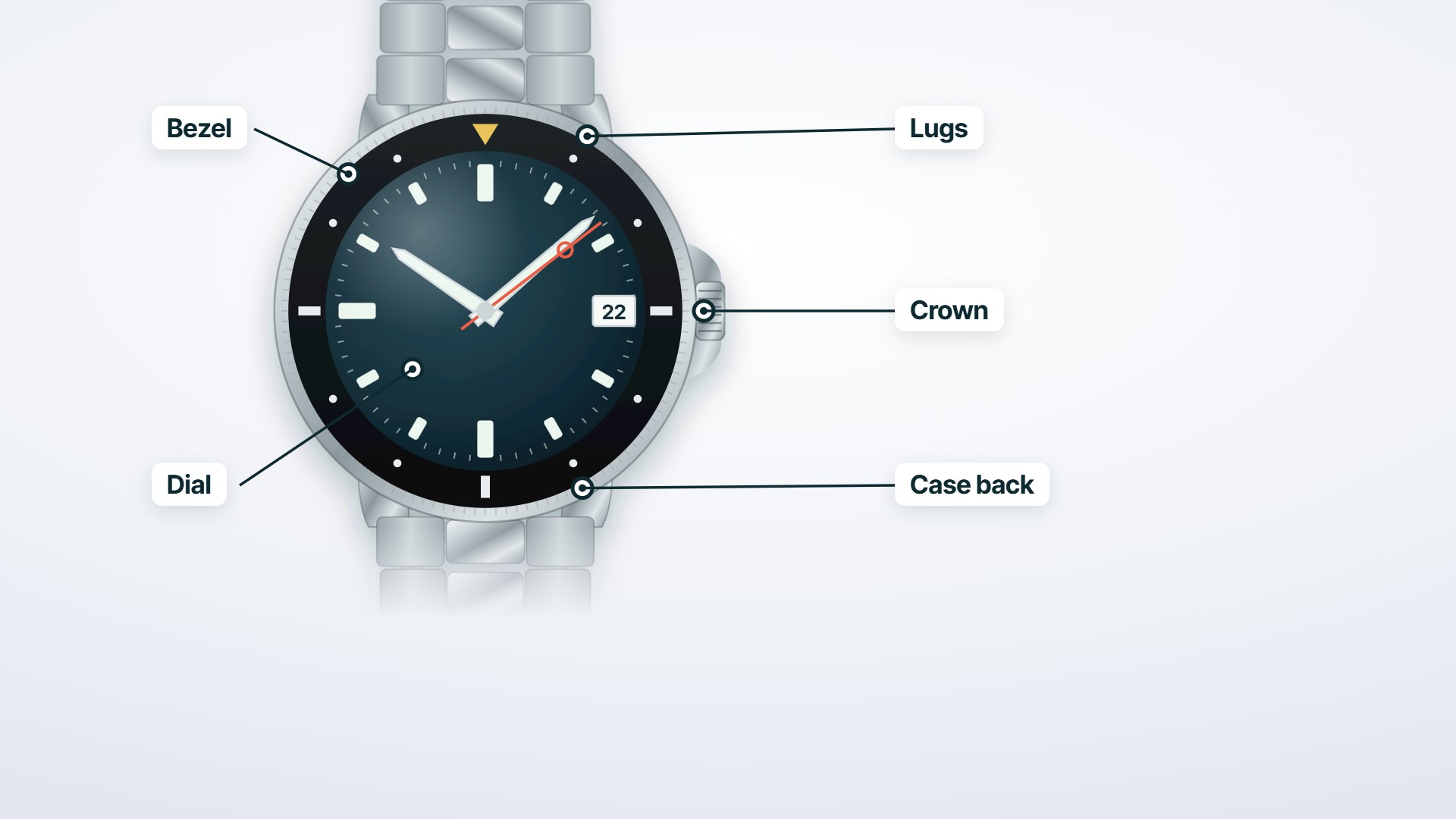
Anatomia di un orologio: il nome di ogni componente e ciò che rivela sul suo orologio
 ▶ 2:57
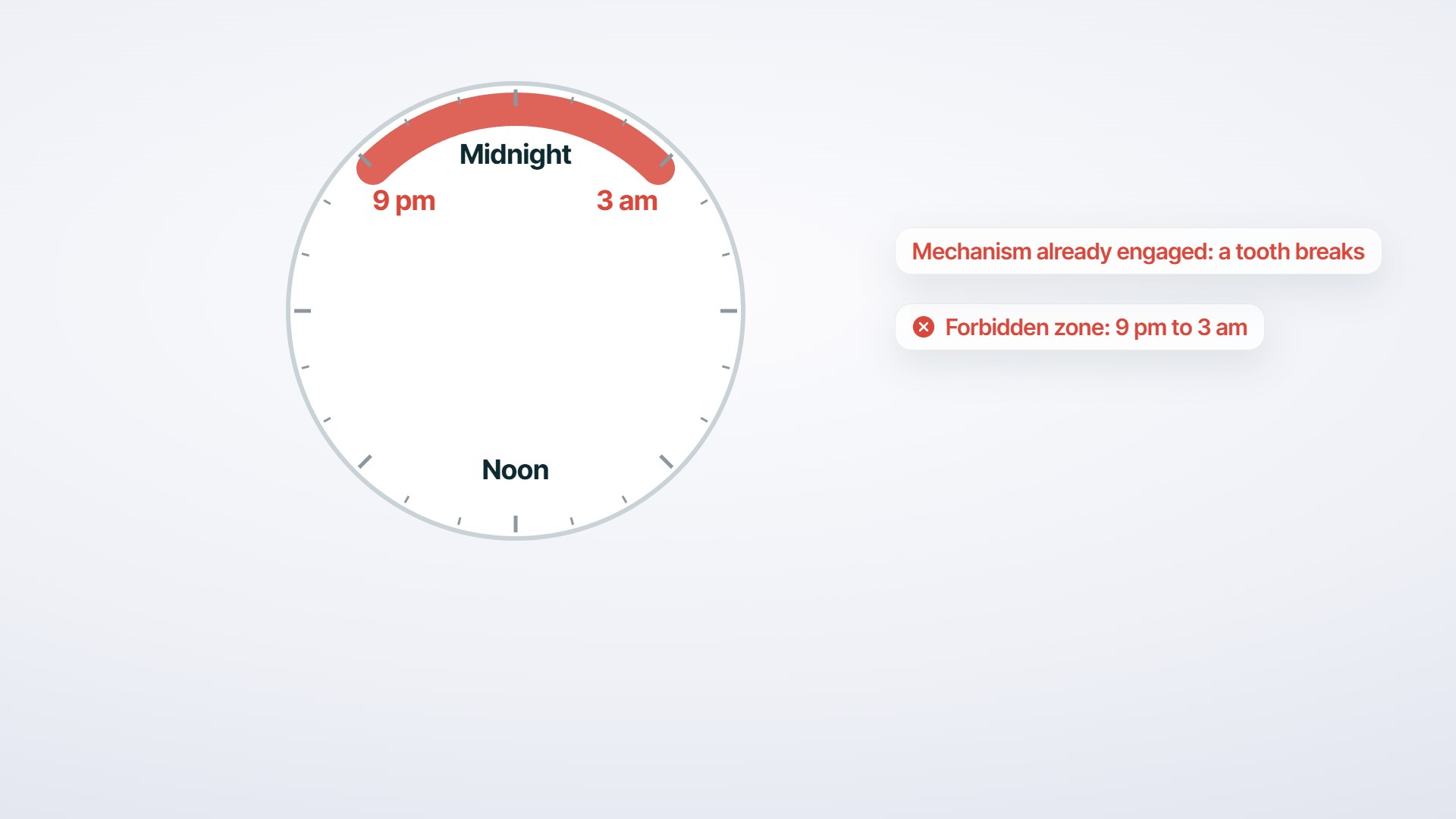
Regolare l'ora e la data del proprio orologio senza rompere nulla: la corona, la data, il digitale
 ▶ 2:52
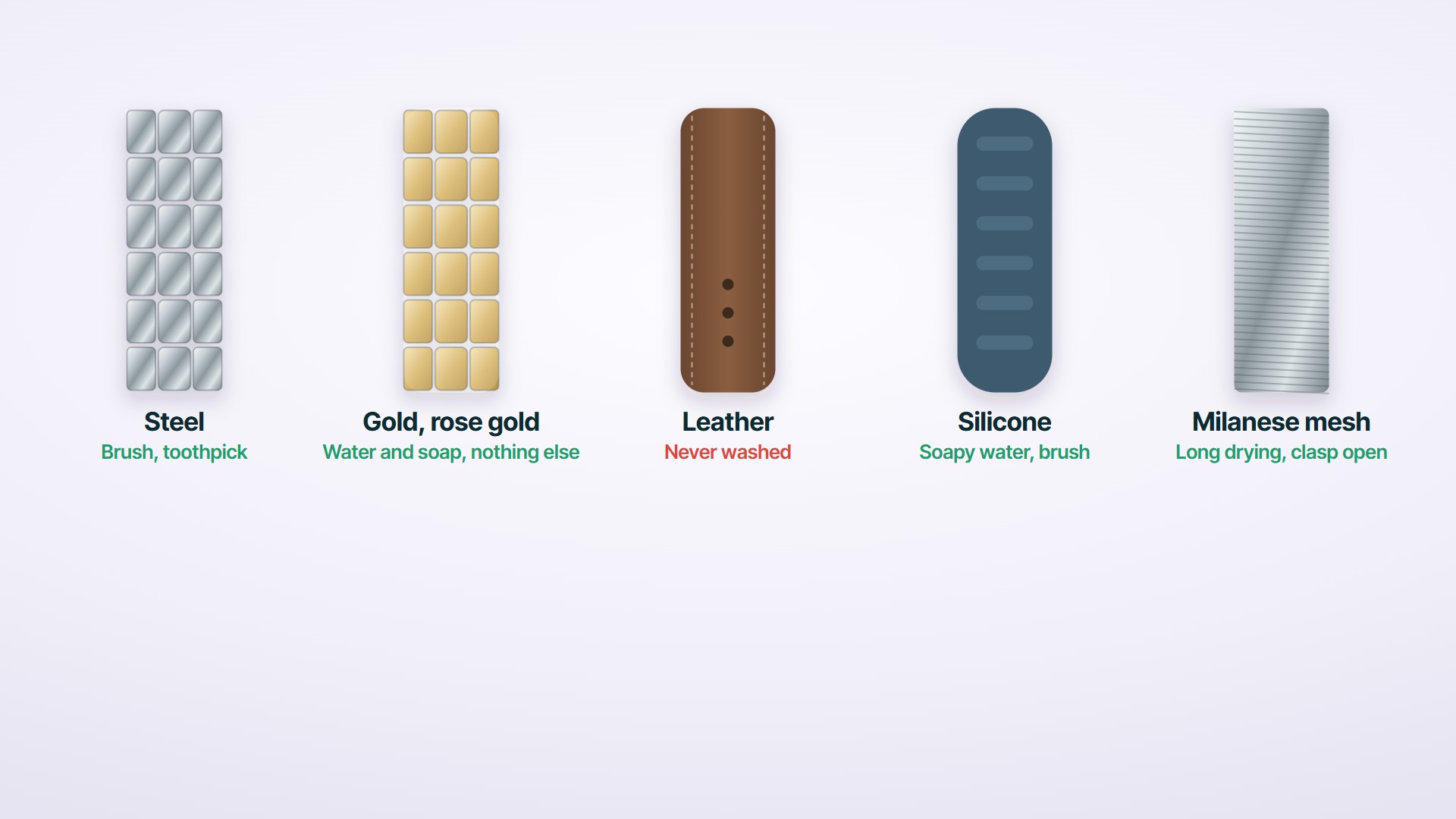
Come pulire orologio e cinturino senza danneggiarli: acciaio, pelle, silicone, maglia milanese e i gesti da evitare
 ▶ 2:45