
Guía de tamaño de reloj de mujer: cómo elegir bien en 2026
La guía en vídeo (en inglés) · 2:25
Capítulos (en inglés)
Transcripción (en inglés)
Forty-two millimetres. On a wrist, that's huge… or perfect. It all depends on a number almost nobody measures: the size of your wrist. Take a tailor's tape measure, or a simple strip of paper. Wrap it just above the wrist bone, where you wear your watch, without pulling tight: one finger should slip underneath. Measure in the evening: by the end of the day, your wrist swells by a few millimetres. The diameter is measured from one edge of the case to the other, crown excluded. But some brands include it: up to three millimetres of difference on the product page. In our range, most women's watches measure thirty-three to thirty-nine millimetres; men's watches, forty to forty-five. And yet, the real judge isn't the diameter. It's the lugs. Seen from above, look at the flat part of your wrist: the lugs must never stick out. At the same diameter, two watches can differ by four to five millimetres from lug to lug. And a square watch looks bigger than a round one with the same number. The second forgotten number: thickness. Under ten millimetres, it slides under a shirt cuff. Over twelve, it catches. A slim quartz gets down to about six millimetres; an automatic with a date often goes over ten. Two millimetres of thickness change the look more than two millimetres of diameter. The strap is about half the diameter: a forty-millimetre case, a twenty-millimetre strap. Well adjusted, it doesn't spin round or mark your skin: one finger of room, no more. Online, compare with a watch you already wear: its diameter, its thickness, its lugs. And if the size isn't right for you, you have fourteen days to send it back to us. Discover a whole selection of watches, from twenty-eight to forty-six millimetres, at Montres Outlet.
Otras guías en vídeo
 ▶ 2:13
¿Por qué todos los relojes muestran 10h10? Simetría, legibilidad e hipótesis de la sonrisa
 ▶ 3:03
Mercado gris: por qué un reloj auténtico puede ser distinto del que se ve en tienda
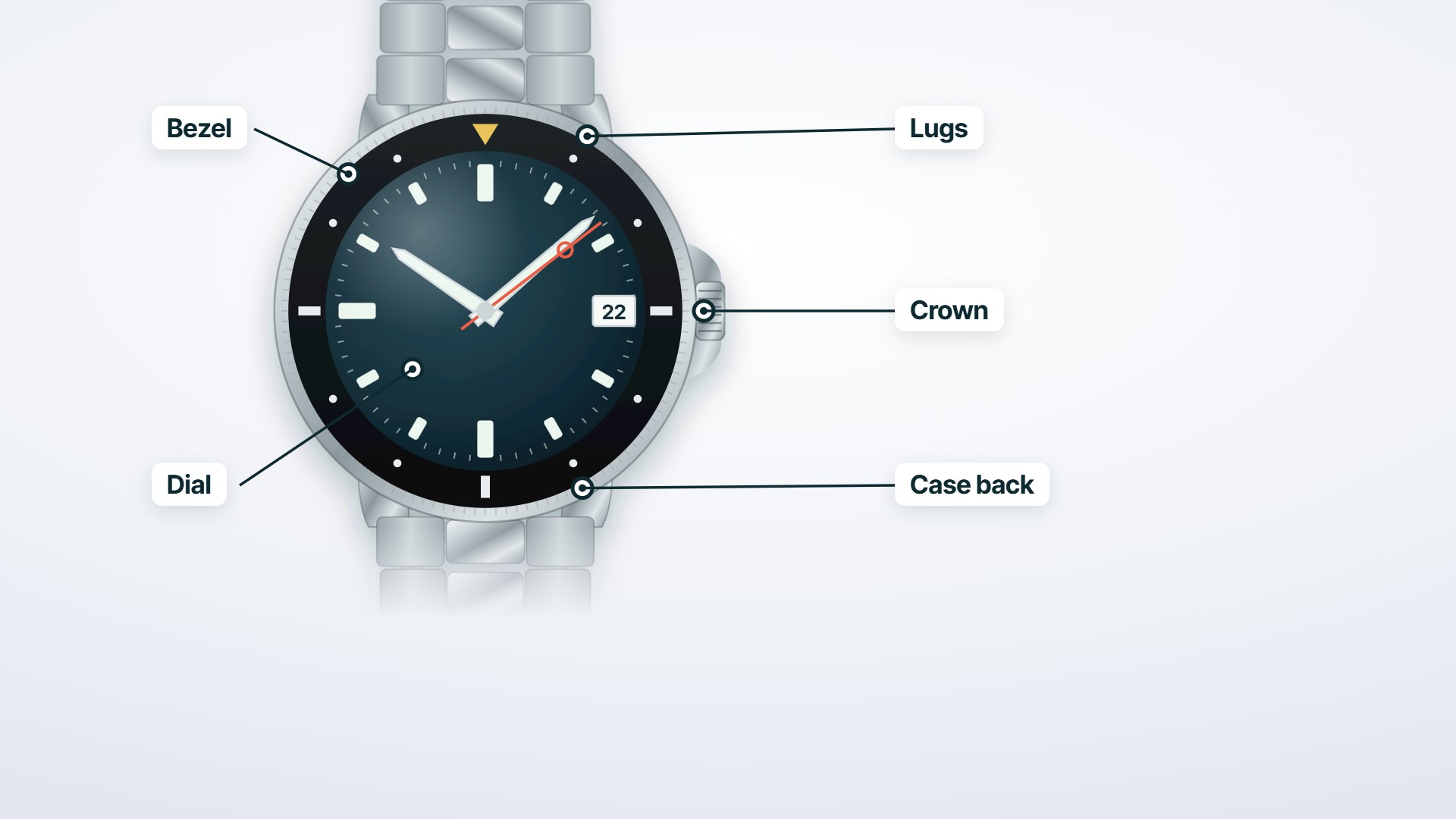 ▶ 2:39
Anatomía de un reloj: el nombre de cada pieza y lo que dice de su reloj
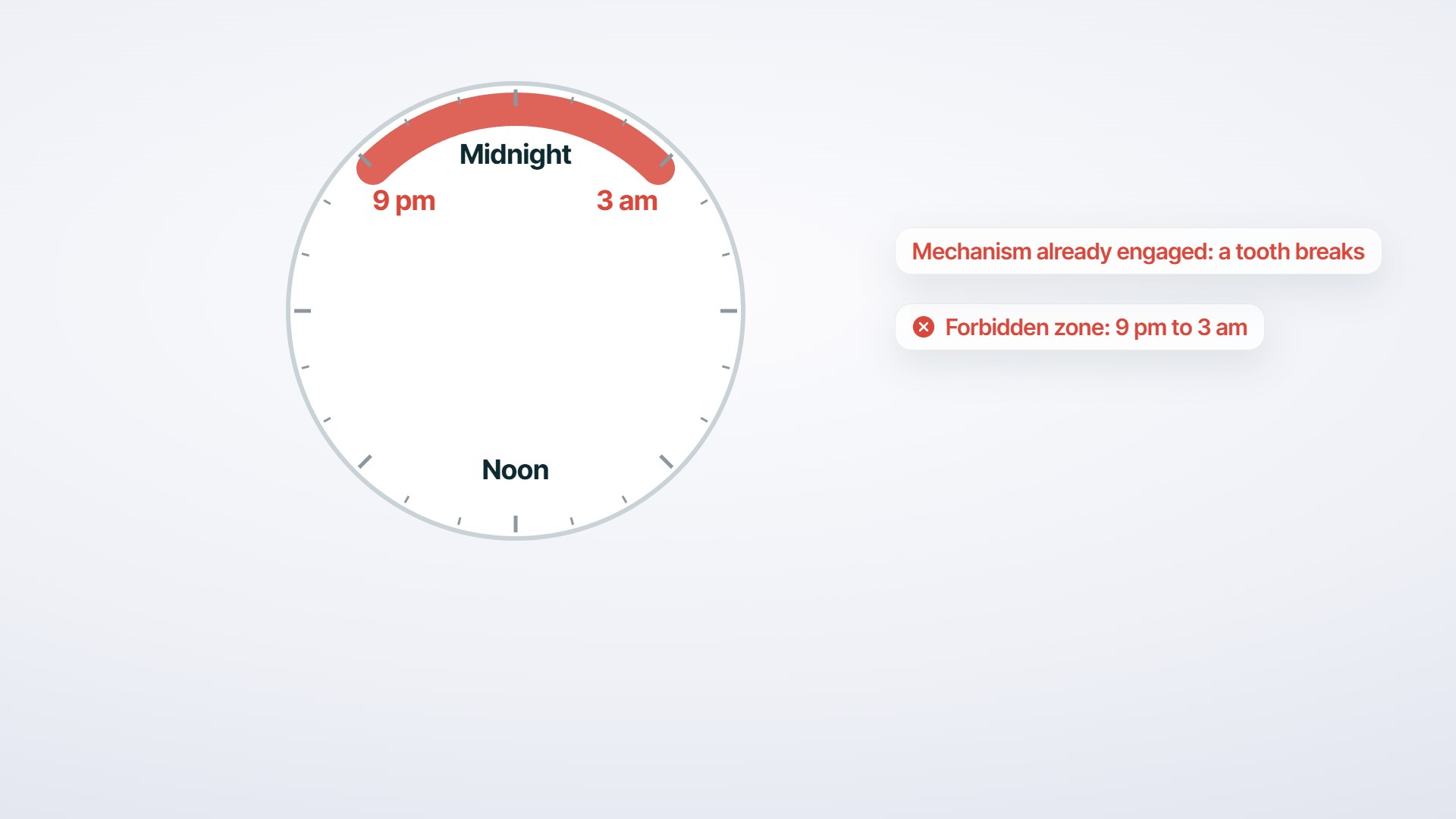 ▶ 2:57
Ajustar la hora y la fecha de su reloj sin romper nada: la corona, la fecha, el digital
 ▶ 2:52
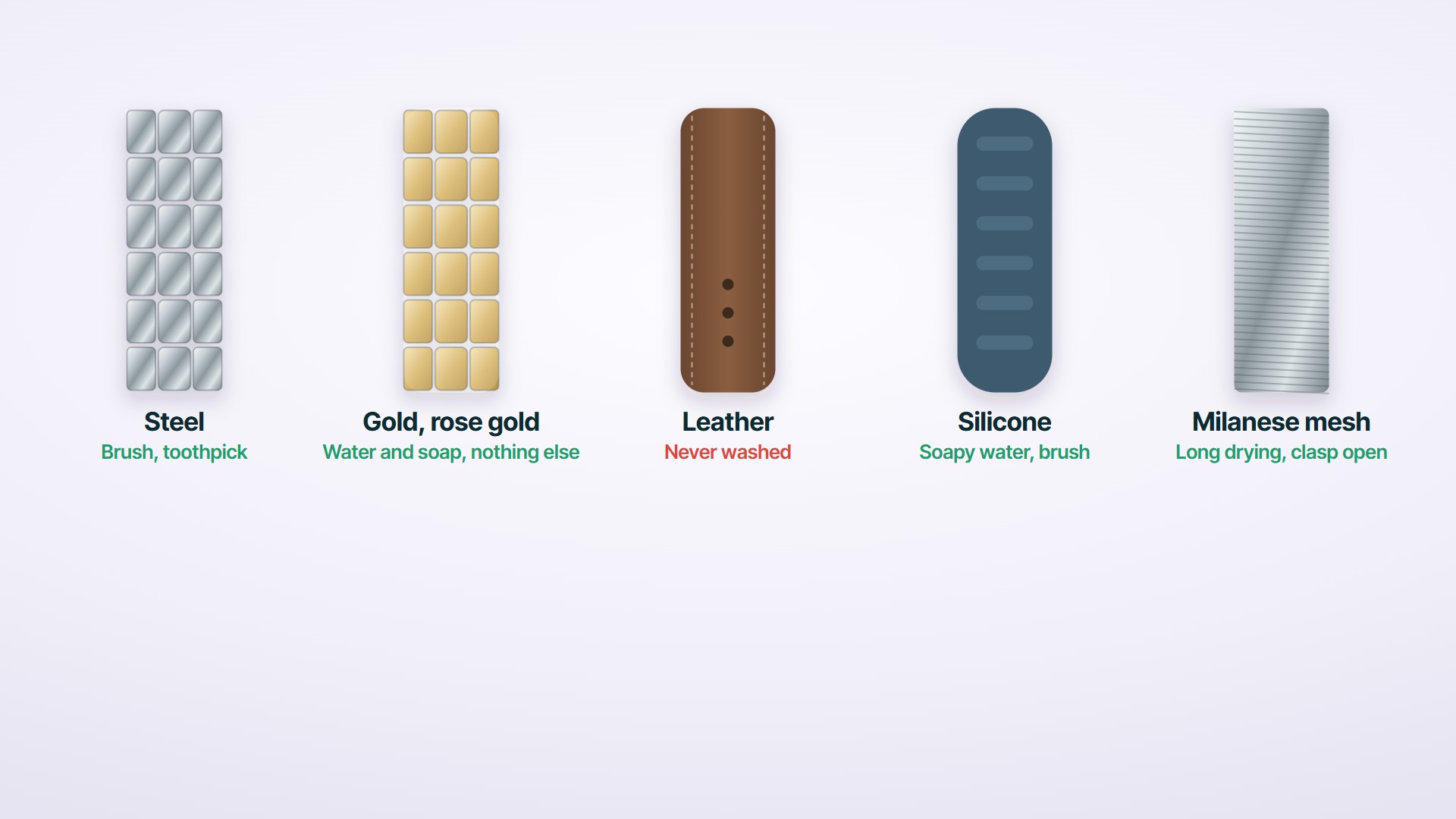
Limpiar su reloj y su correa sin dañarlos: acero, piel, silicona, malla milanesa y los gestos que debe evitar
 ▶ 2:45