
¿Por qué todos los relojes muestran 10h10? Simetría, legibilidad e hipótesis de la sonrisa
La guía en vídeo (en inglés) · 2:13
Capítulos (en inglés)
Transcripción (en inglés)
Look at any watch advert. The time shown is almost always the same: ten past ten. It is no accident. In the twenties and thirties, watches were usually photographed at twenty past eight. Since the fifties, ten past ten has taken over. Reason one: symmetry. The two hands open into a V on either side of twelve, and frame the brand name, often placed just below, without hiding it. Reason two: everything stays visible. The date window, the chronograph subdials, the hour markers: no hand covers them. In practice, many watches are even set at around eight or nine minutes past ten. At exactly ten past ten, the minute hand would sit right on the two o'clock marker. Reason three, more surprising: the smile. In twenty seventeen, researchers showed volunteers watches set at ten past ten, twenty past eight or half past eleven. The watches at ten past ten gave more pleasure, and people saw a smiling face in them. Twenty past eight, a sad one. Let's be careful: the study rested on two small experiments, with forty-six and twenty-three participants. And a twenty fifteen study, on other times including ten to two, which forms the same V, found no effect. The smile remains a hypothesis. So in a photo, a watch at ten past ten is not out of order: the time was chosen for the picture. Now you know why. Discover it at Montres Outlet.
Otras guías en vídeo
 ▶ 3:03
Mercado gris: por qué un reloj auténtico puede ser distinto del que se ve en tienda
 ▶ 2:39
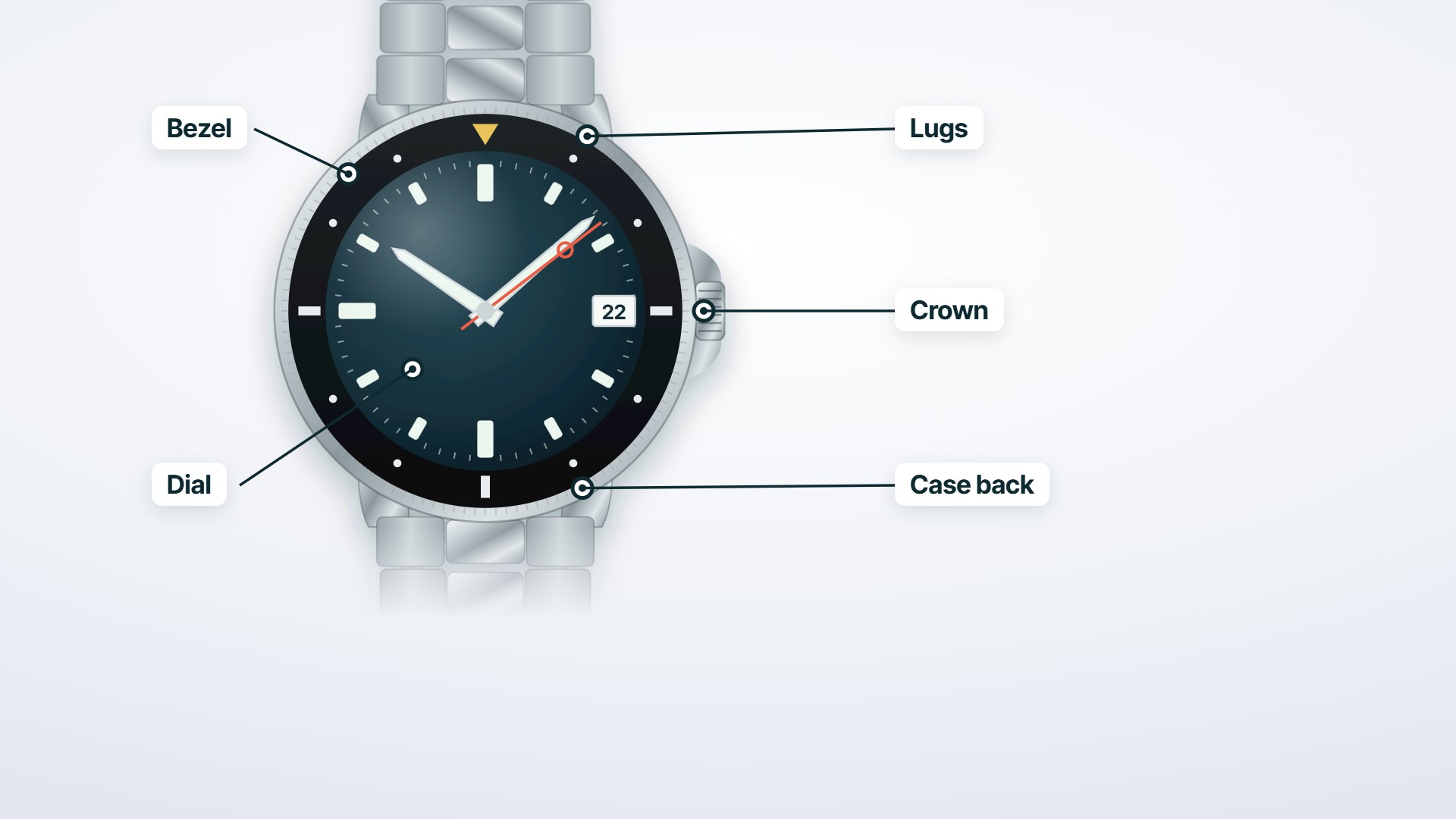
Anatomía de un reloj: el nombre de cada pieza y lo que dice de su reloj
 ▶ 2:57
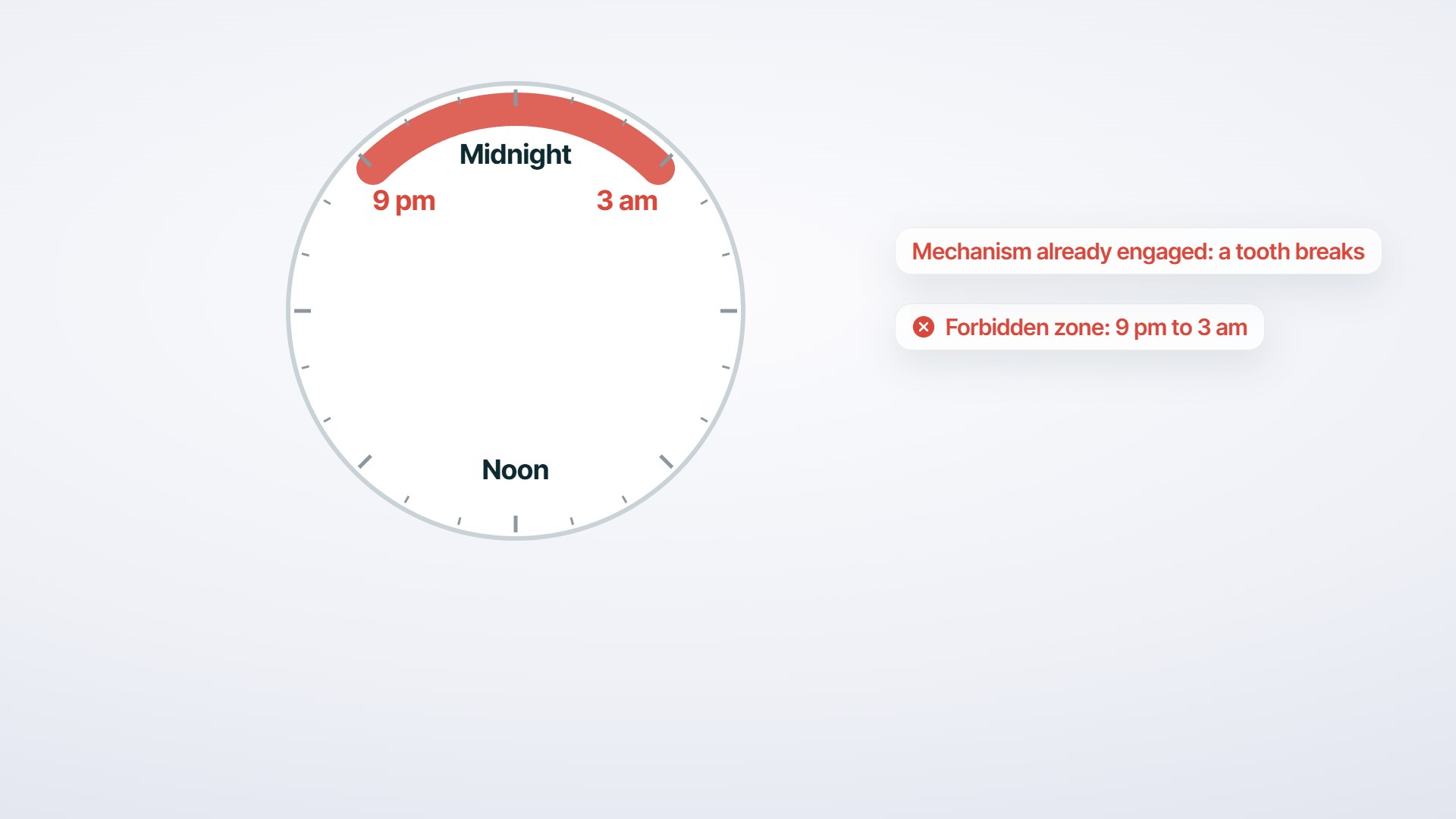
Ajustar la hora y la fecha de su reloj sin romper nada: la corona, la fecha, el digital
 ▶ 2:52
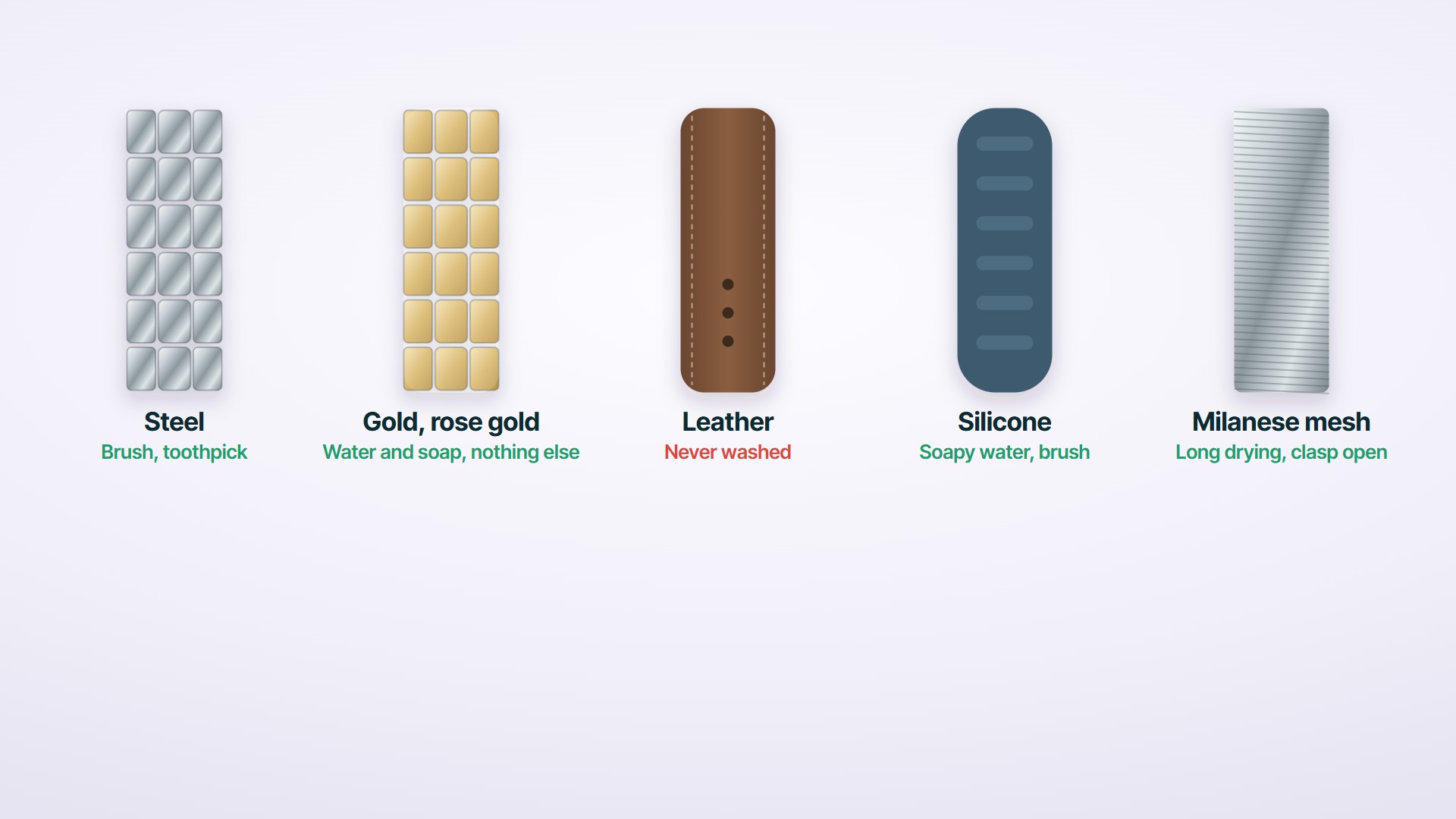
Limpiar su reloj y su correa sin dañarlos: acero, piel, silicona, malla milanesa y los gestos que debe evitar
 ▶ 2:45
Cambiar la pila de su reloj: el método de un relojero, y el gesto que casi todo el mundo olvida
 ▶ 2:25