
Automatic watch winders
Our automatic watch winders cover all collection sizes: from 1 to 9 watches wound simultaneously, in two collections with contrasting styles, Capri (ebony wood) and Imola (black lacquer with carbon fibre effect).
Capacité
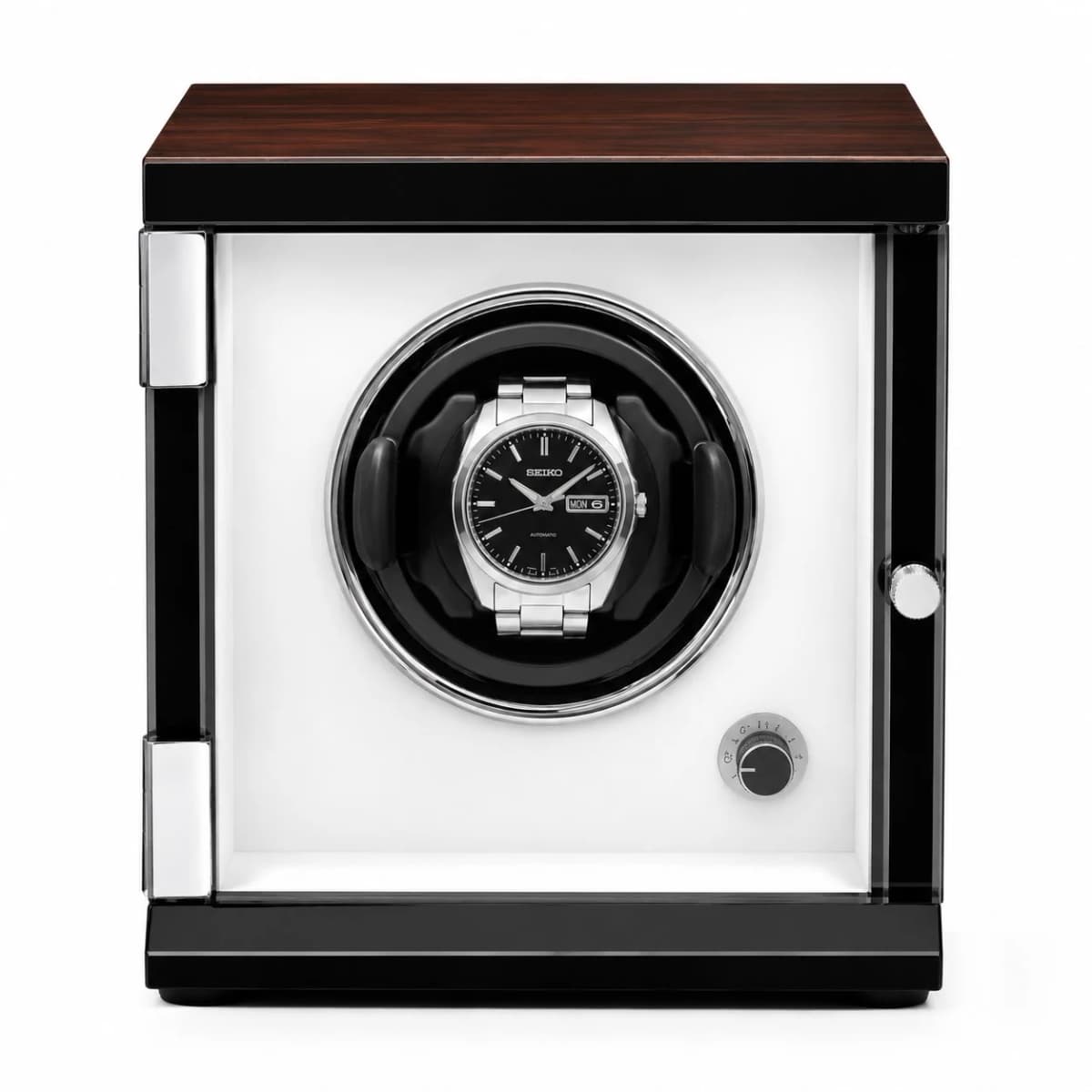
Gasmann
Capri 1 Watch Automatic Winder Ebony Wood Cream PU Interior
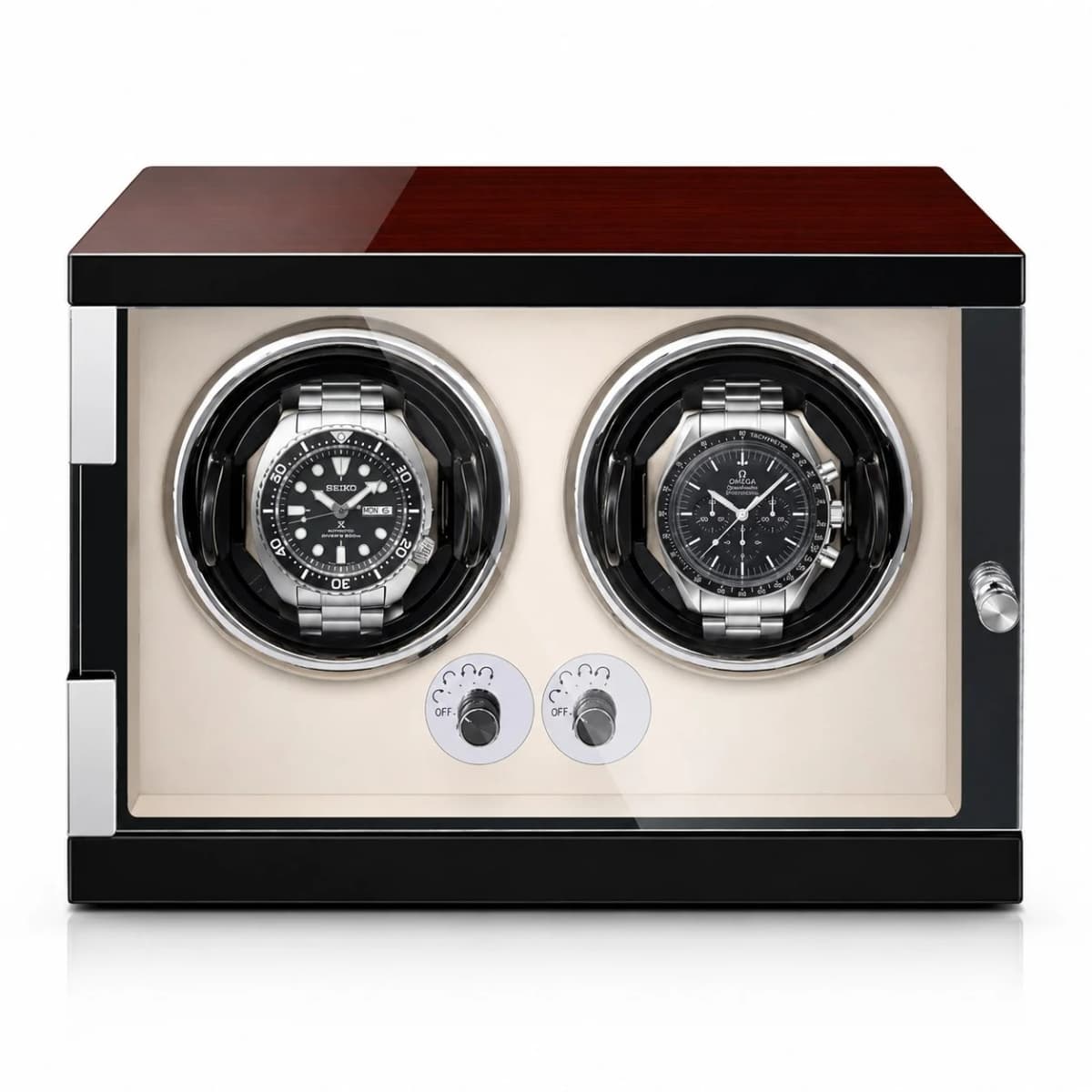
Gasmann
Capri 2 Watch Winder Ebony Wood Cream PU Interior
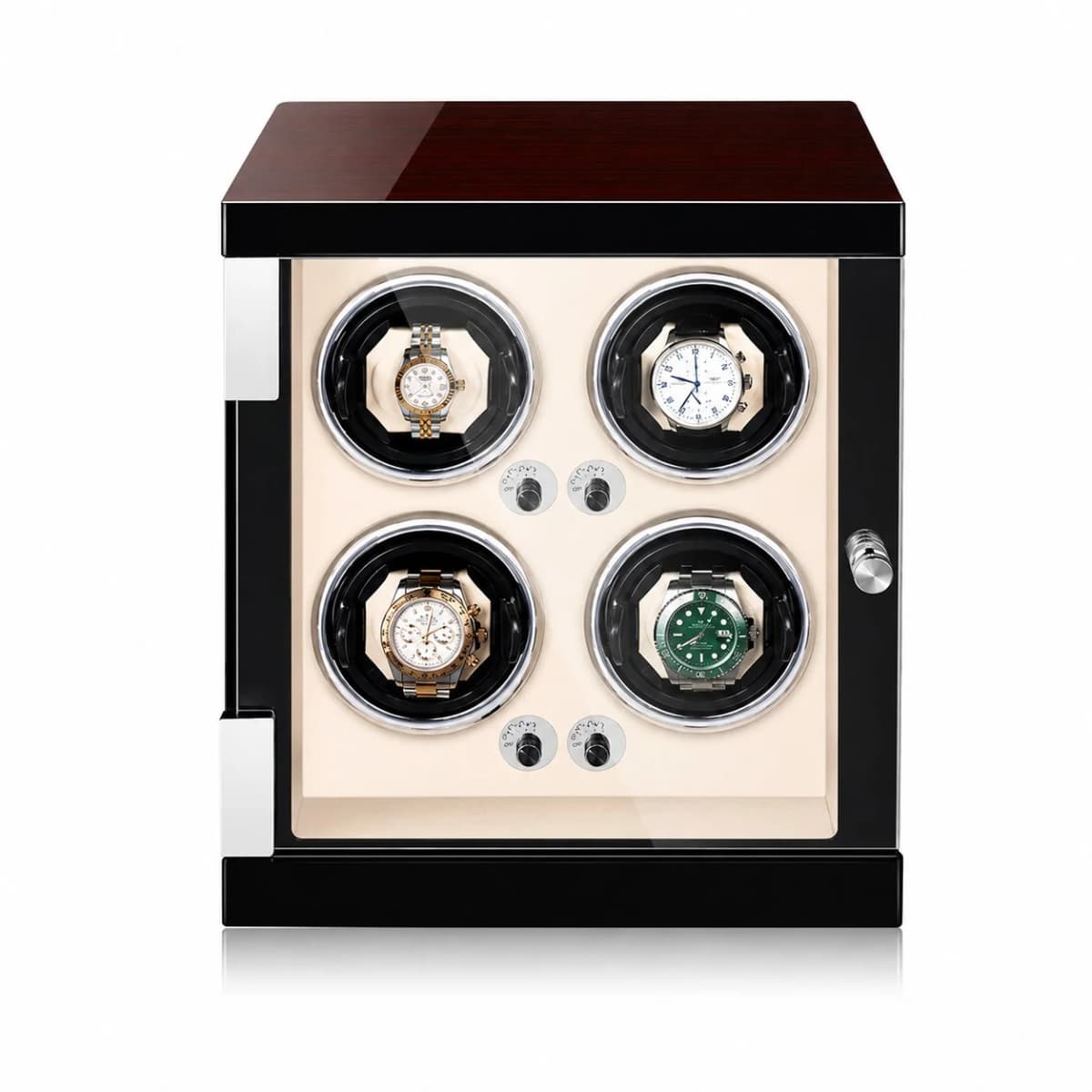
Gasmann
Capri 4-Watch Automatic Winder Ebony Wood PU Cream Interior
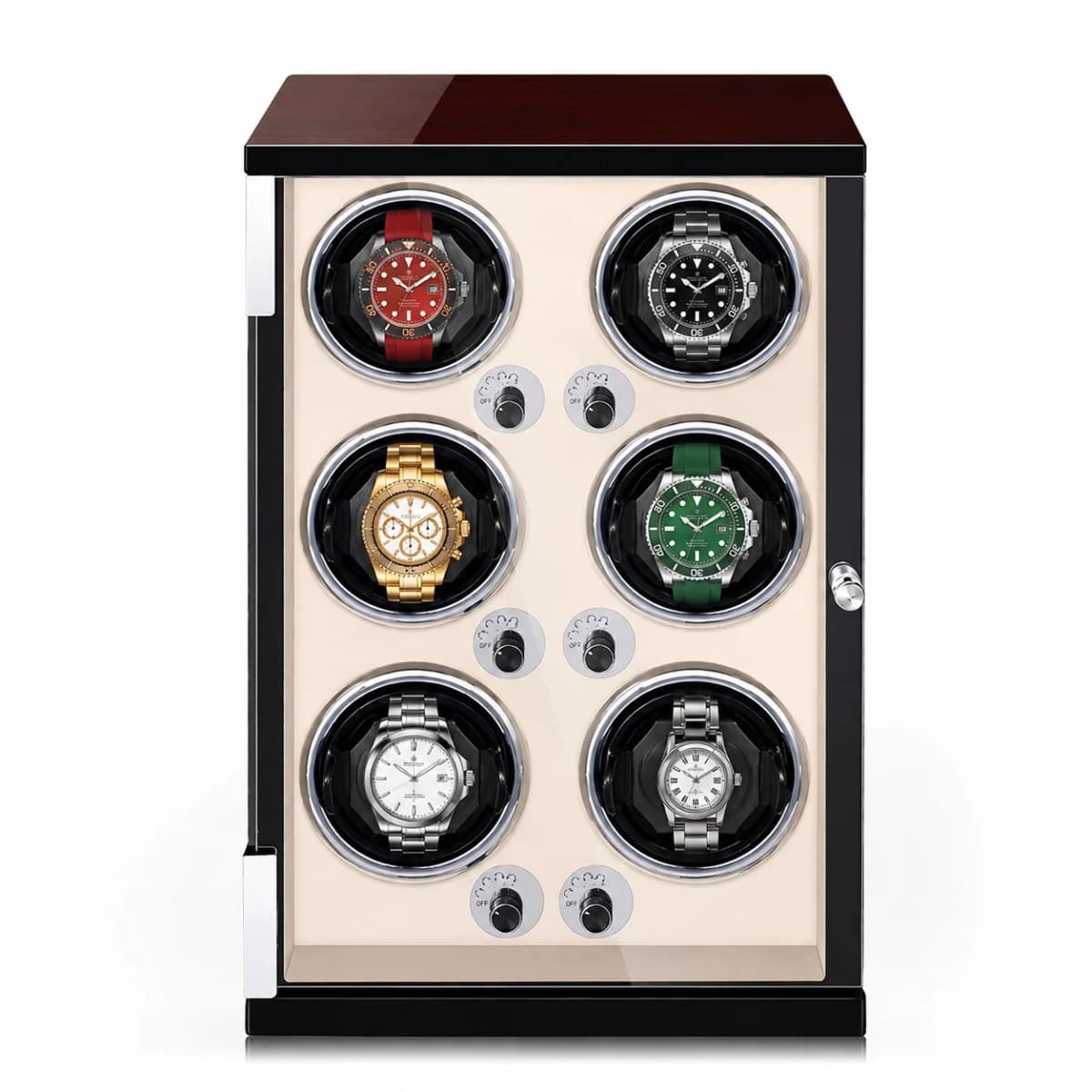
Gasmann
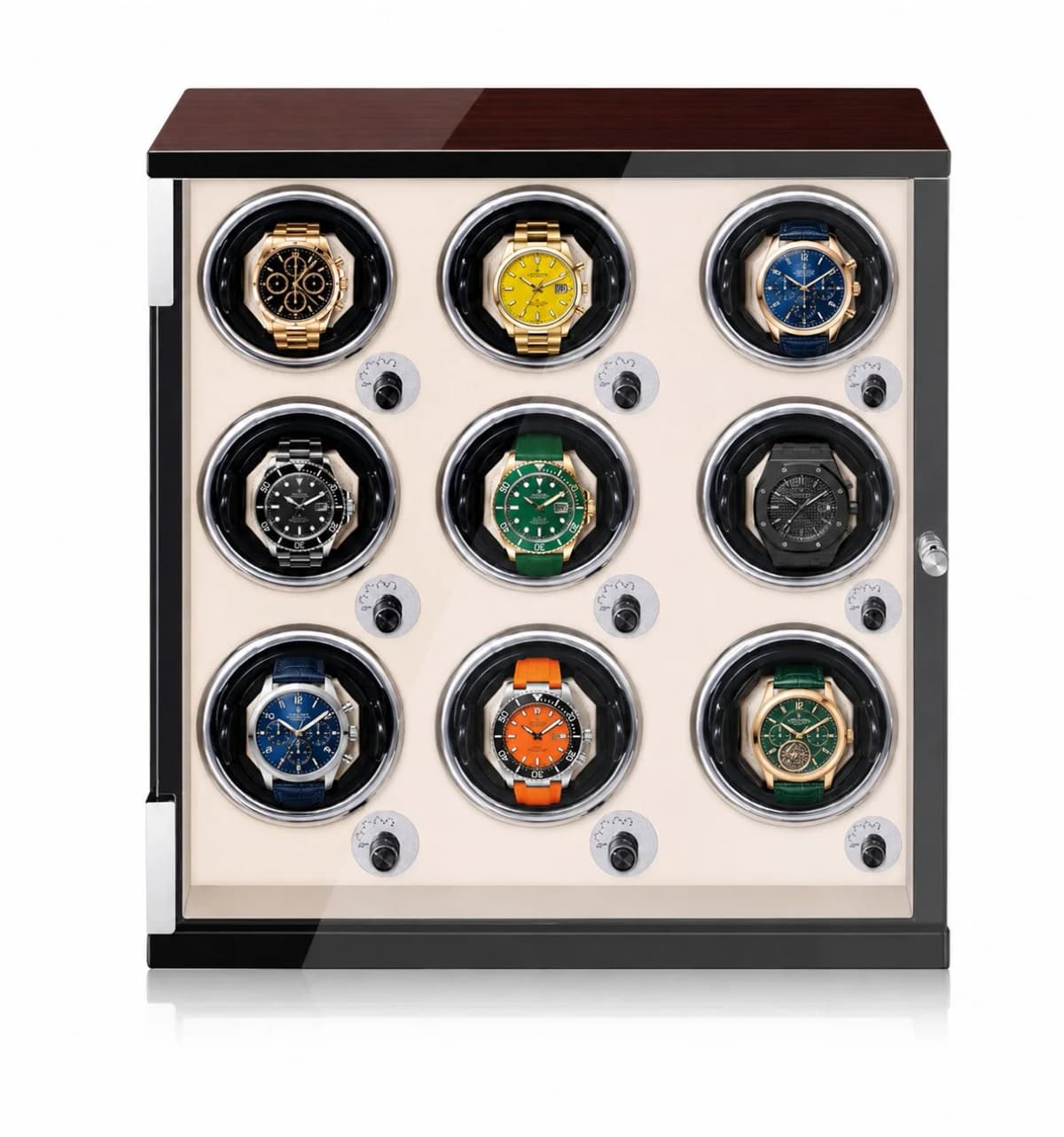
Capri 6-Watch Automatic Winder Ebony Wood Cream PU Interior
Gasmann
Capri 9 Watch Winder Ebony & Cream PU Interior Automatic
Gasmann
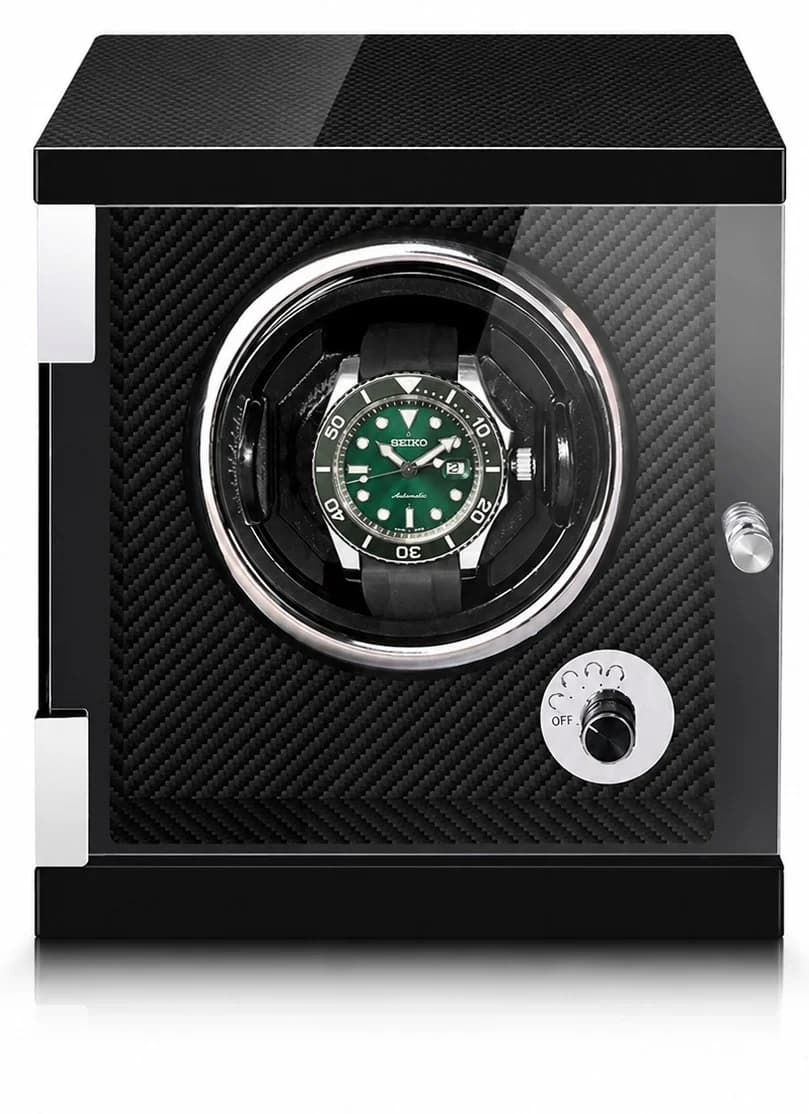
Remontoir à montre automatique Imola noir laqué fibre de carbone 1 montre
Gasmann
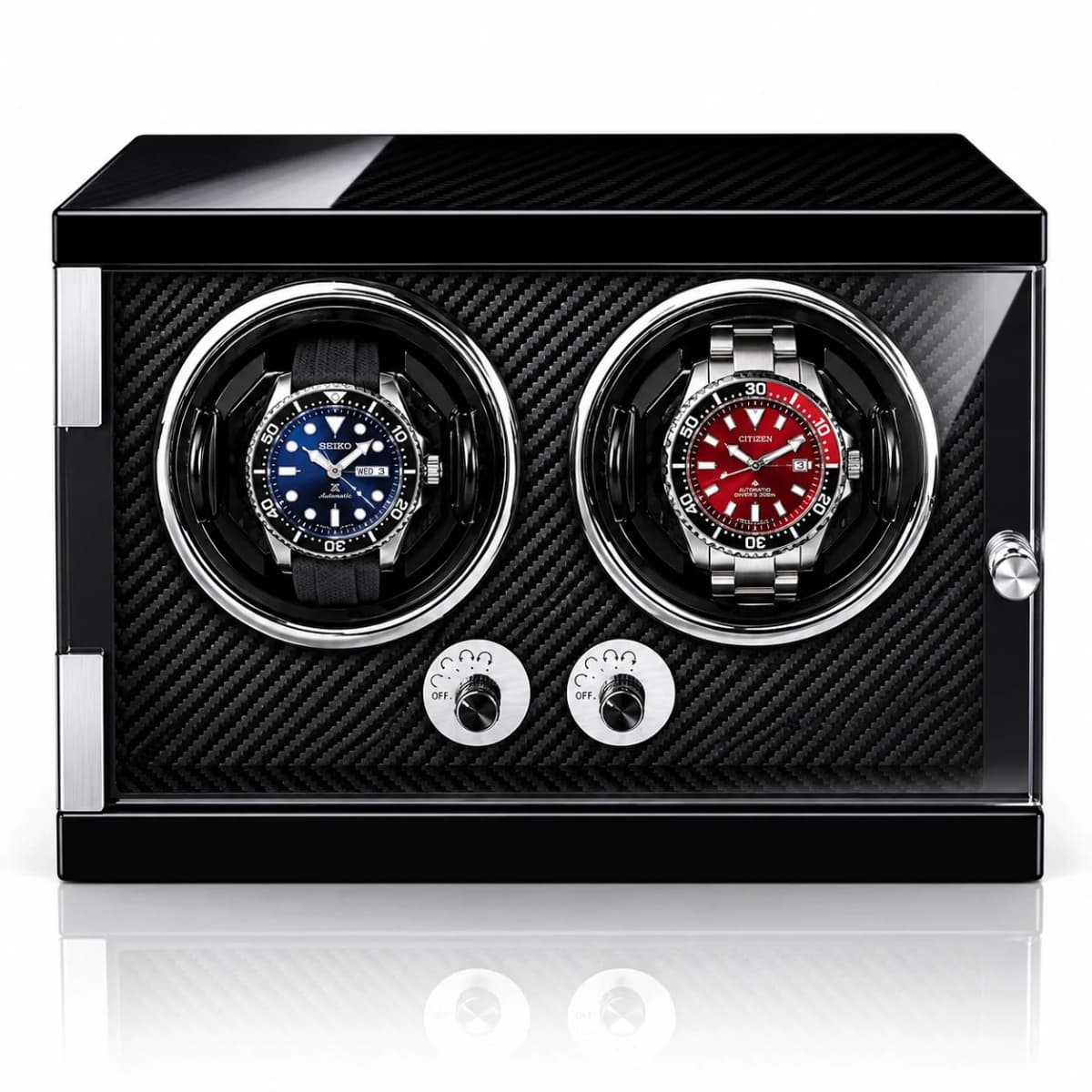
Remontoir à montre automatique Imola noir laqué fibre de carbone 2 montres
Gasmann
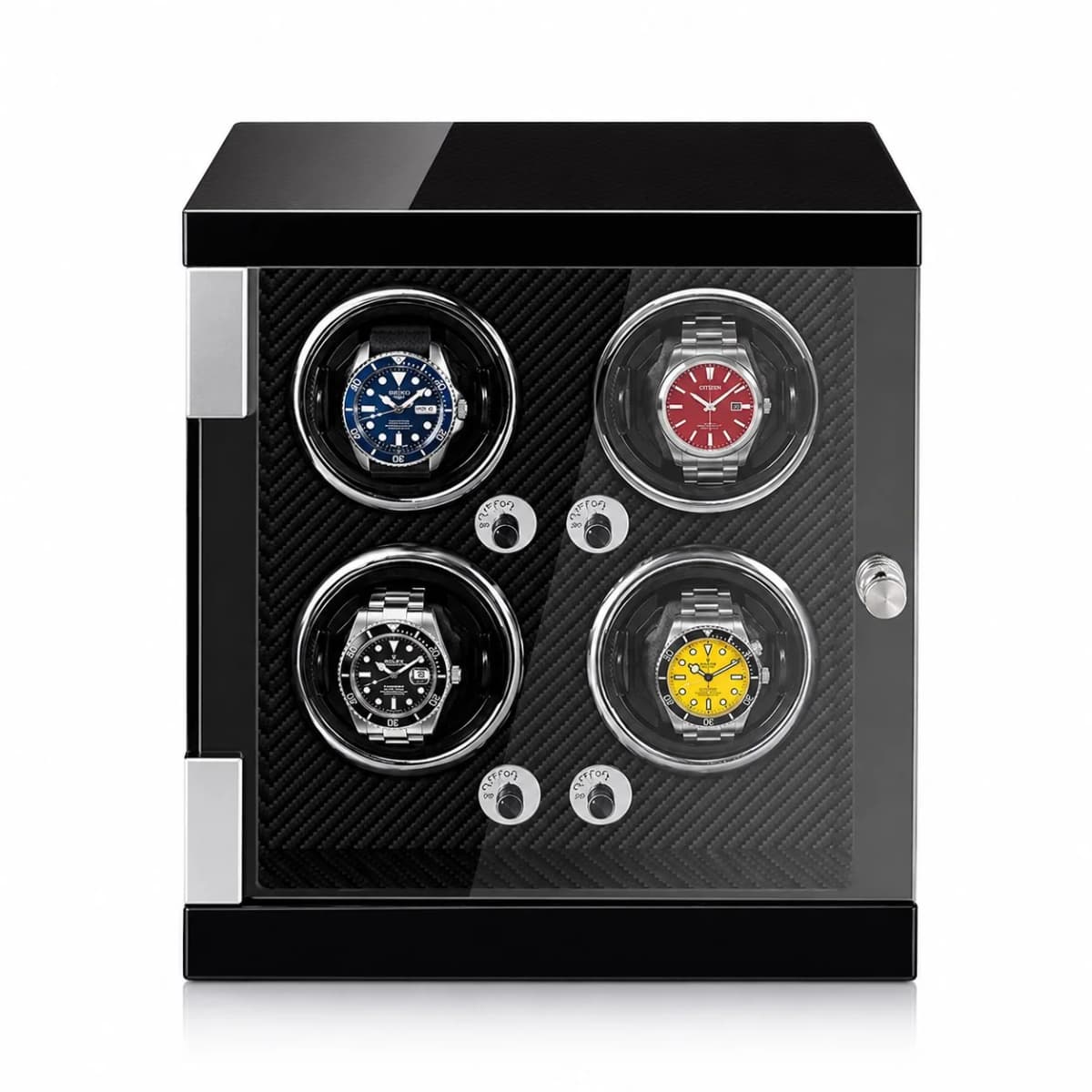
Imola 4-Watch Automatic Winder Black Lacquer Carbon Fibre
Gasmann
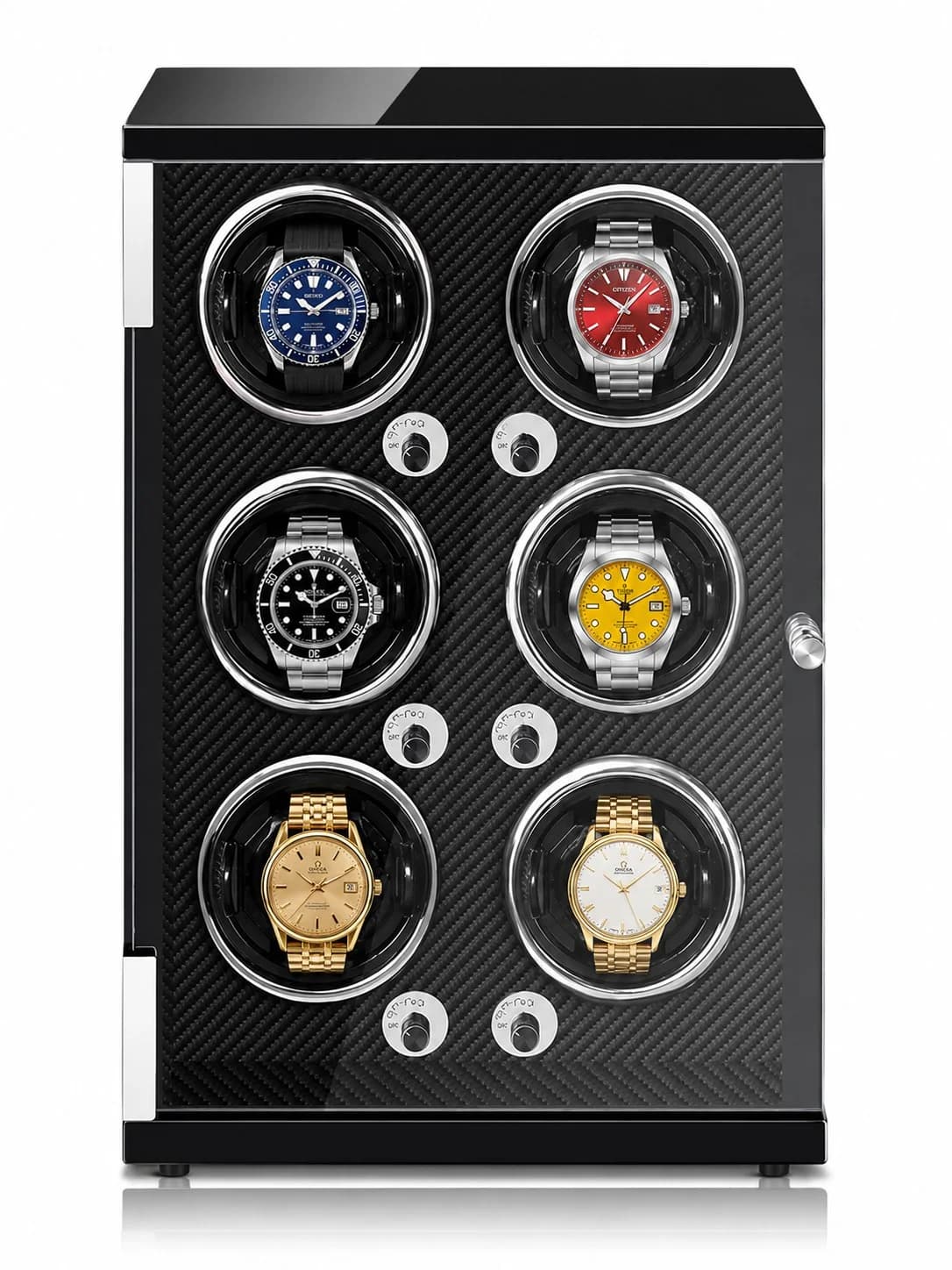
Remontoir à montre automatique Imola noir laqué fibre de carbone 6 montres
Gasmann
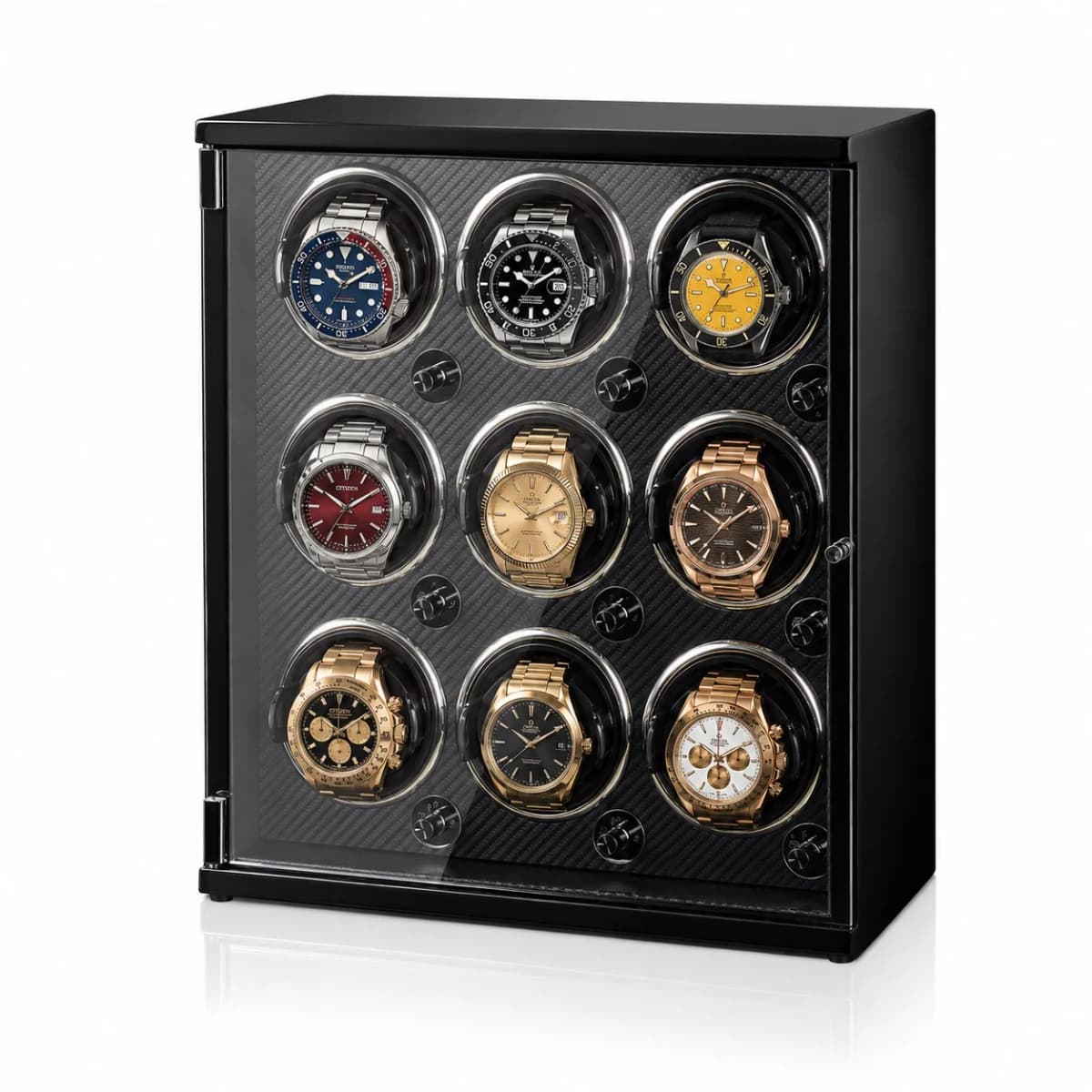
Imola 9-Watch Automatic Winder Black Lacquer Carbon Fibre
Explore watch storage
Discover the other watch boxes collections
Our automatic watch winders cover all collection sizes: from 1 to 9 watches wound simultaneously, in two collections with contrasting styles, Capri (ebony wood) and Imola (black lacquer with carbon fibre effect). From the individual module of 14 × 14 × 17 cm to the 9.2 kg cabinet, each configuration is motorised per position.
What is an automatic watch winder really for?
An automatic watch winder recharges when worn; left unwound, it stops after its power reserve (38 to 80 hours depending on the movement). The winder rotates the watch in cycles to keep the mainspring wound. Its true audience: watches with annual calendar, perpetual calendar or moon phase, which are painful to reset, and collections of several automatics in rotation. For a single automatic worn each week, a classic watch box is sufficient.
Capri ebony wood or Imola carbon effect: two parallel ranges
Both collections offer the same capacities (1, 2, 4, 6 or 9 watches) in two aesthetics: ebony wood veneer with deep reflections for Capri, black lacquer with carbon fibre effect for Imola. Size reference points: the 1-watch winder remains a desk object (1.2 to 2.5 kg), the 4-watch moves into occasional furniture territory (35 × 25 × 42.5 cm, 5.5 kg), and the 9-watch peaks at 9.2 kg for 46 × 25.5 × 55.5 cm: plan for a dedicated surface and a power outlet nearby.
Watch winder box: the criteria that matter
Three points to check before buying, detailed in our automatic watch winder guide: the turns per day (TPD) suited to your movement, the rotation direction (clockwise, anticlockwise, alternating) and the motor's quietness if the winder sits in a bedroom. To transport your automatics rather than wind them, our watch travel pouches and cases take over away from home.