
Chronograph or chronometer? The video guide
The video guide · 2:17
Chapters
Transcript
Chronograph, chronometer. Almost everyone mixes them up. Yet the two words are not about the same thing at all. A chronograph is a function: it measures a length of time. One pusher starts and stops the hand, another sends it back to zero. The small subdials keep the minutes, sometimes the hours. A chronometer is a watch whose precision has been tested, then certified by an official body. In Switzerland, that body is the COSC, which applies the ISO standard three thousand one hundred and fifty-nine. The examination lasts fifteen days. The movement is checked every day, in five different positions, then at eight, twenty-three and thirty-eight degrees. To earn the title, a movement larger than twenty millimetres must not lose more than four seconds a day, nor gain more than six. Sounds like a lot? Six seconds over a day is like seven centimetres over a kilometre. It is no formality. In twenty twenty-five, the COSC issued just over two million certificates, and nearly five per cent of the pieces submitted were turned down. The two words do not rule each other out. A watch can be a chronograph without being a chronometer, a chronometer without a chronograph, both at once, or neither. And even when it is both, the title covers how the watch keeps time: no standard certifies the precision of the chronograph itself. How to tell them apart: pushers on the side and subdials on the dial mean a chronograph. The word chronometer written on the dial means a certified watch. The paper certificate is optional: the brand decides whether to supply it. Discover a whole selection of watches at Montres Outlet.
More video guides
 ▶ 2:13
Why do all watches show 10:10? The video guide
 ▶ 3:03
Grey market or counterfeit: why a genuine watch can be different, on video
 ▶ 2:39
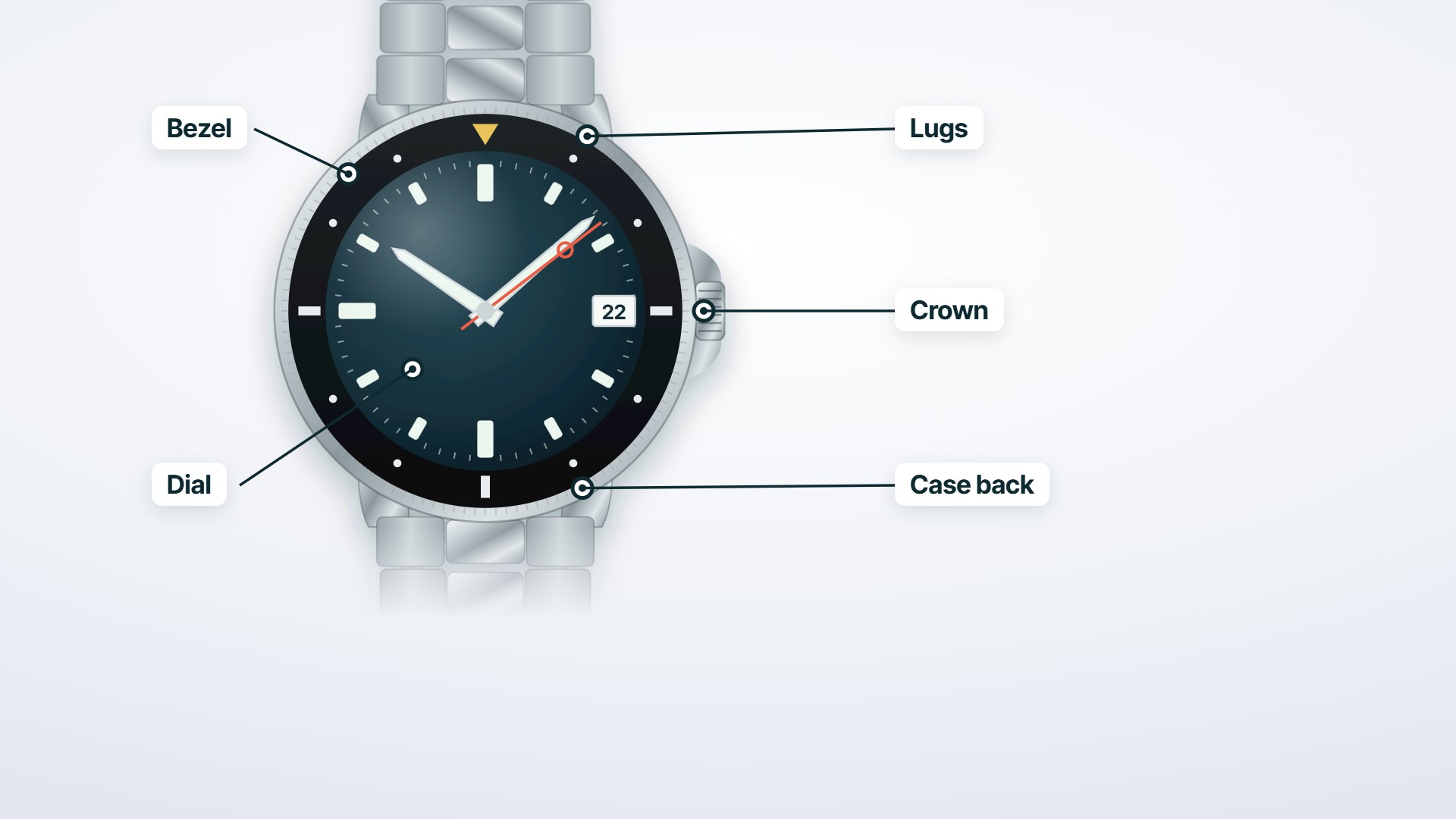
Anatomy of a watch: the name of each part, on video
 ▶ 2:57
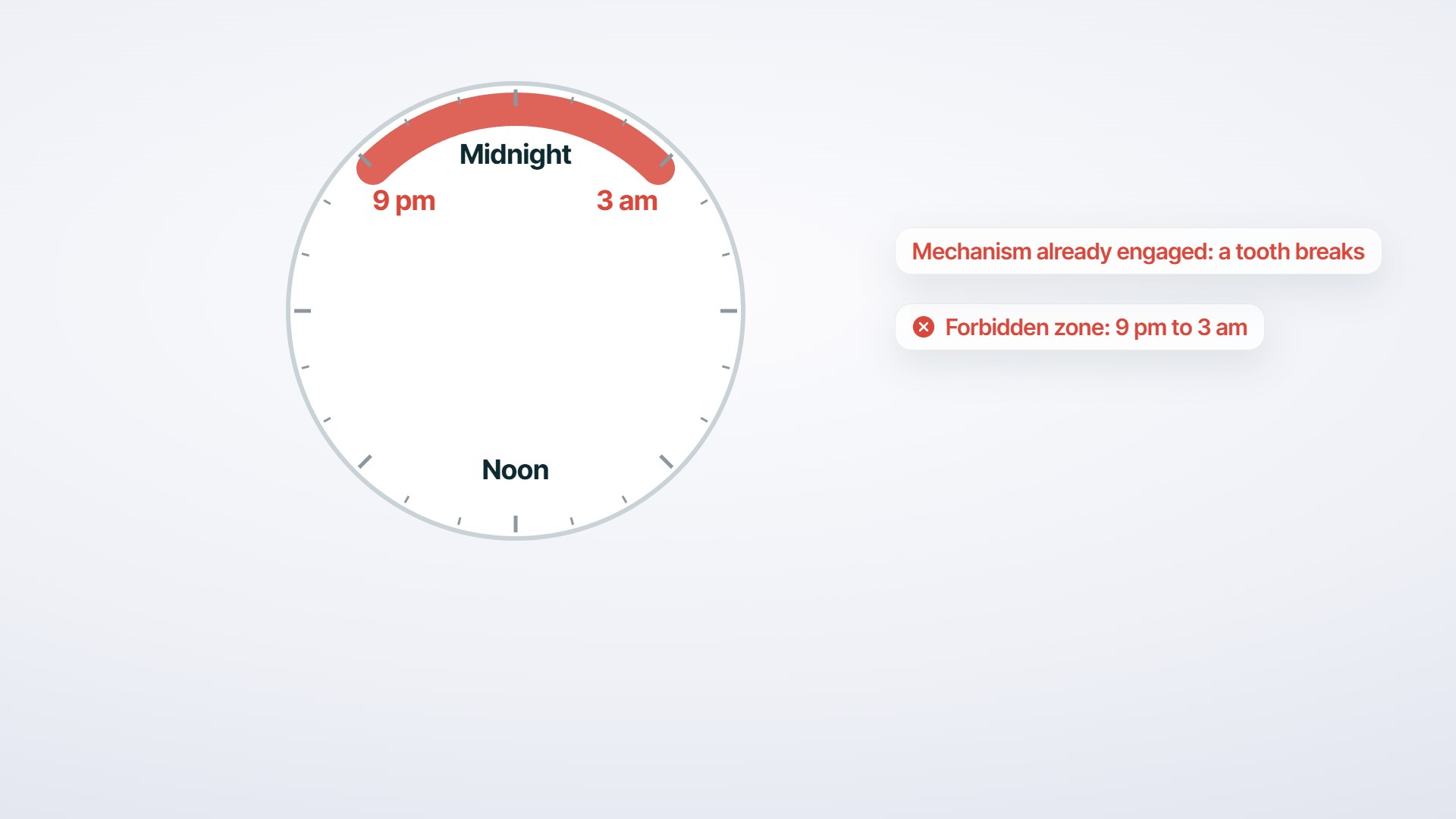
How to set the time and date on a watch without breaking it: the video guide
 ▶ 2:52
How to clean a watch and its strap without damaging it: the method on video
 ▶ 2:45