
Watch Journal · since 2024
The Journal
Buying guides, comparisons of the great houses, care advice and watchmaking trends. One promise only: to help you choose a watch you will wear without regret.
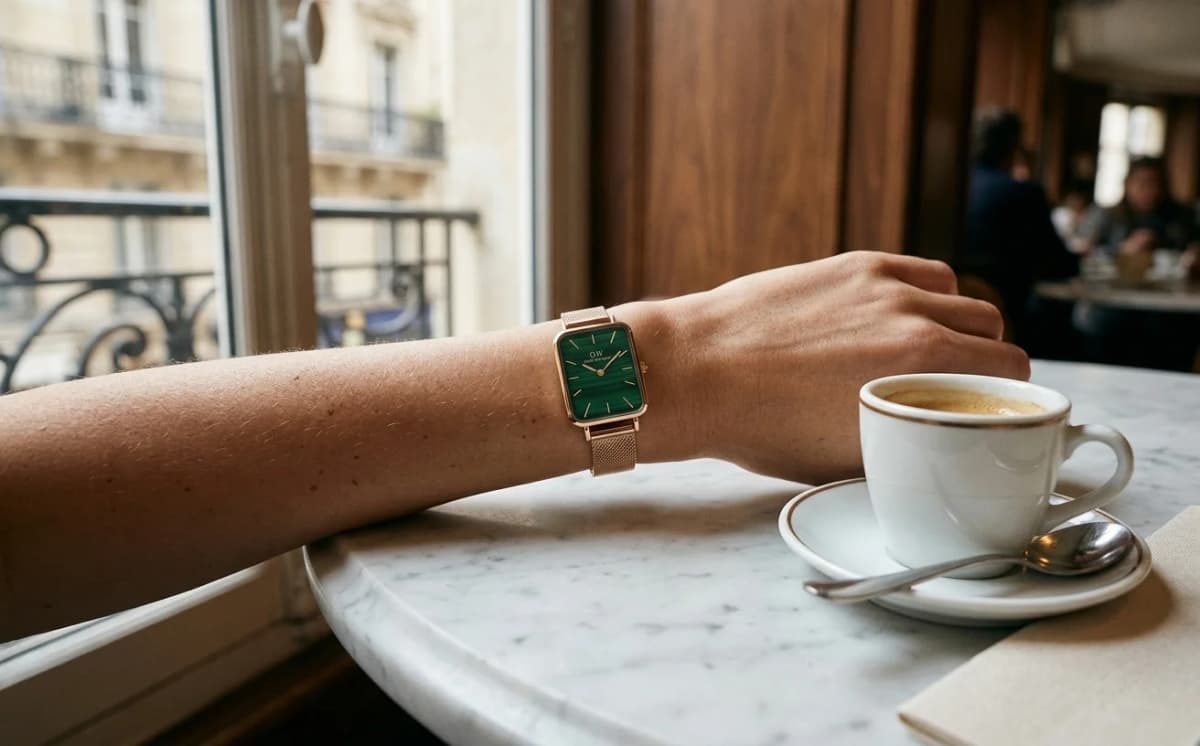
Rectangular watch: from the Cartier Tank to affordable alternatives
One in ten shop windows, and yet two absolute legends: the Cartier Tank born from 1917 tanks and the Reverso from polo fields. A watch historian explains why the rectangle nearly disappeared, why it is making a comeback, and which affordable rectangular watches truly carry this heritage.
 Elena Sicard11 min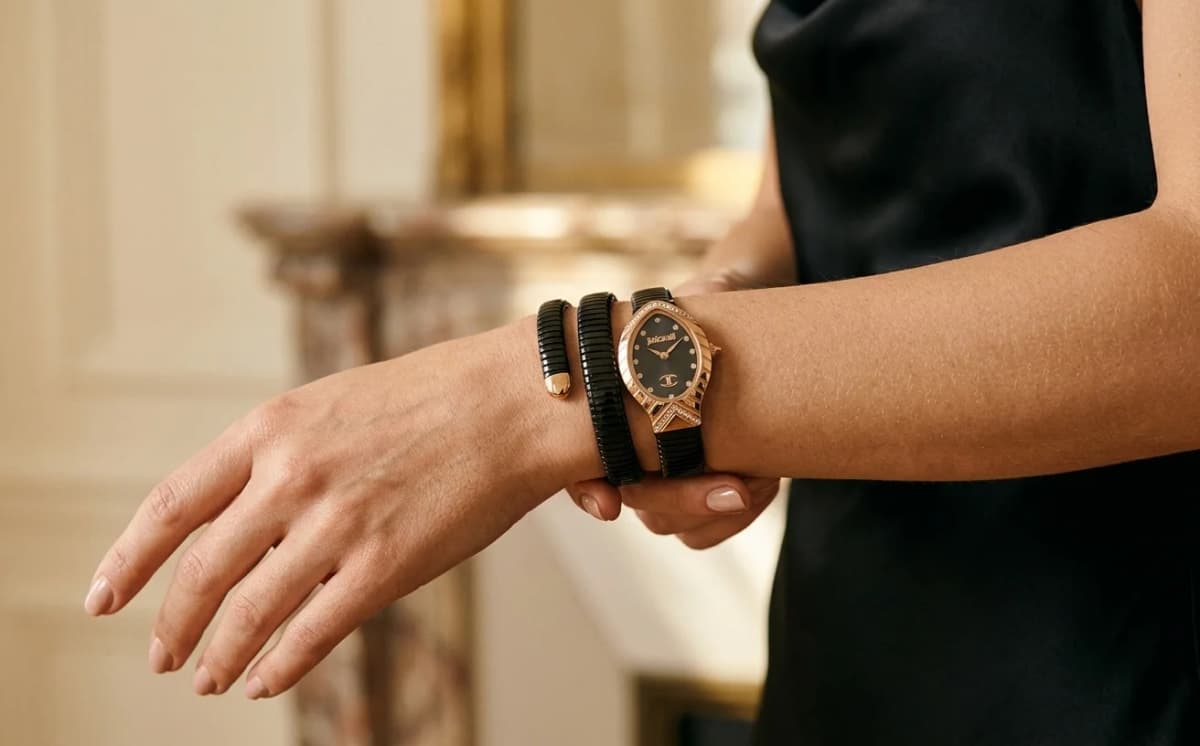
Snake watch: from Bulgari Serpenti to Just Cavalli, the complete guide
The Bulgari Serpenti has reigned over the snake watch since 1948, Cartier prefers the panther, Gucci paints the reptile on its dials. And between high jewellery and nothing, a single affordable brand dares the true snake form: Just Cavalli. Complete comparison by a gemmologist who worked in a luxury boutique.
 Hélène Marchetti15 min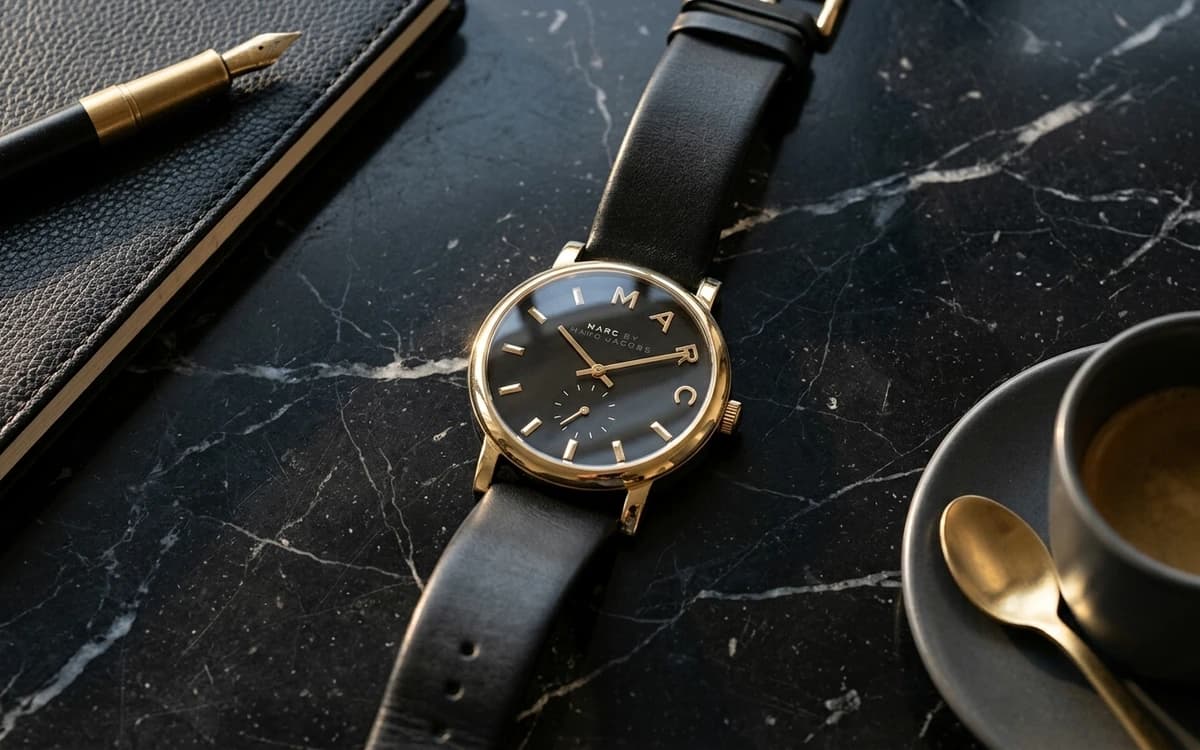
Marc Jacobs women's watch: Amy, Blade, Baker, which collection to choose?
Amy, Blade, Baker, Henry, Roxy: five names, five distinct approaches. This guide maps the Marc Jacobs women's collections, and decodes what the prefix of the reference really tells you about your watch.
 Sophie Martin7 min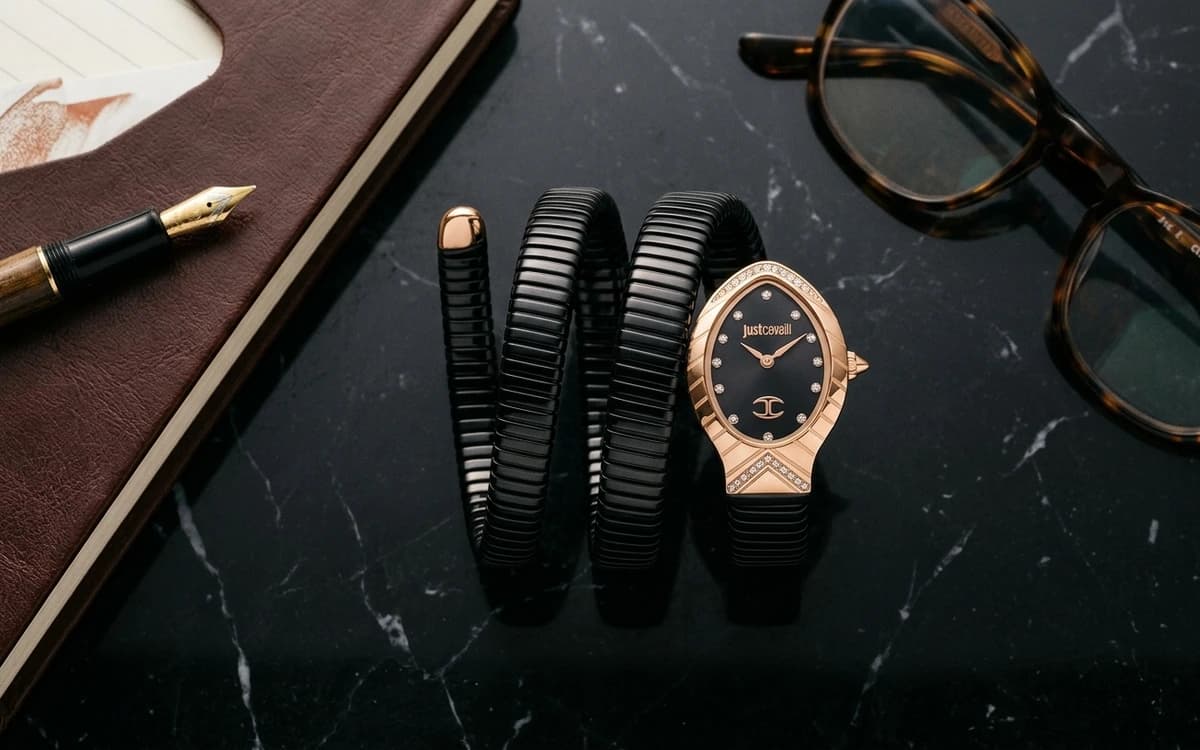
Roberto Cavalli or Just Cavalli: which women's watch to choose?
Roberto Cavalli and Just Cavalli are not the same watch, nor the same budget. Decoding a confusion that costs dear, and what a 22 mm diameter really means on the wrist.
Sophie Martin8 min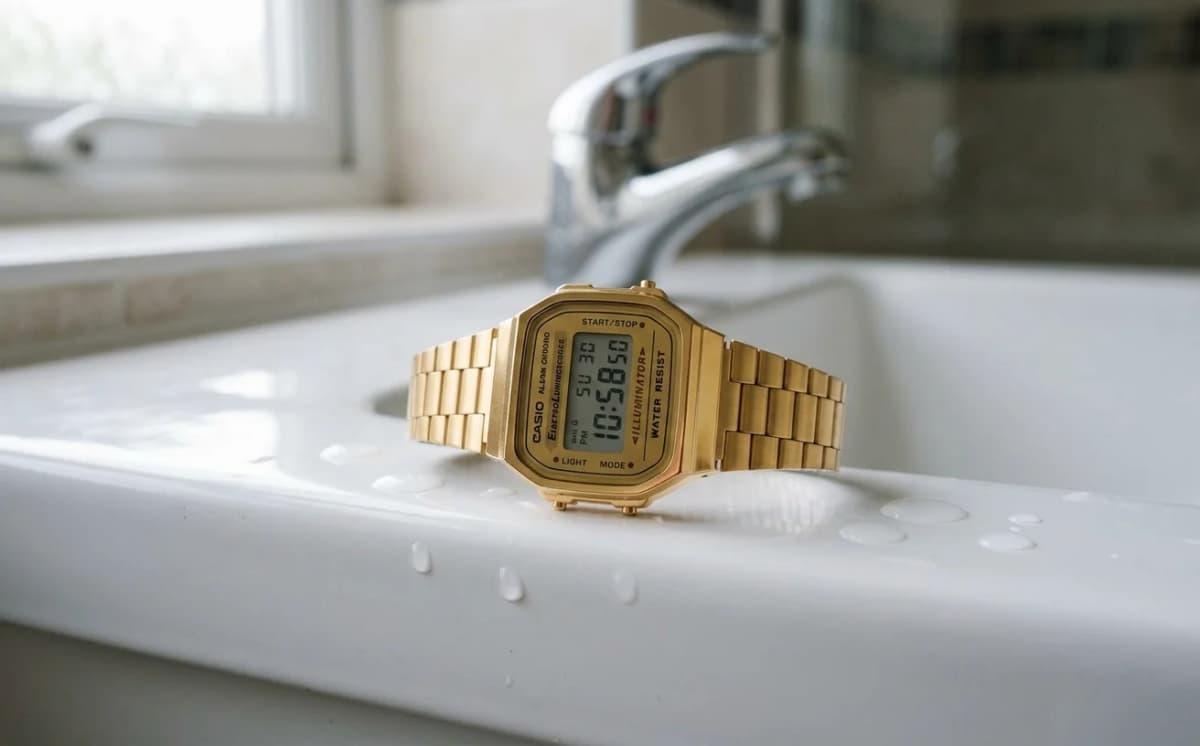
Casio Water Resist: is your vintage watch water resistant? (A158, A168, LA670)
Your vintage Casio says "Water Resist" on it, yet it came back out of service after a swim? This is the scenario we see most often in our after-sales service every summer. A158, A159, A168, LA670, LA680, A700: these watches tolerate accidental splashes and dust, nothing more. A watchmaker explains to you why, model by model, what the engraving really says, the steps to take if water has entered, and why immersion voids the warranty.
 Pierre Laurent18 min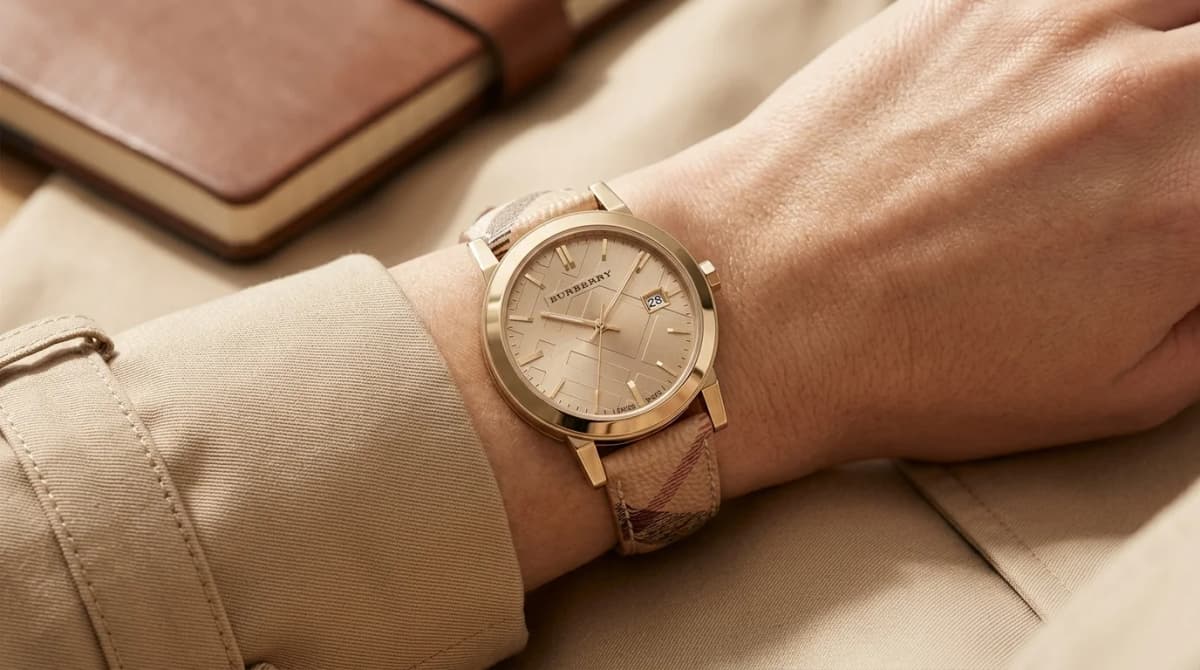
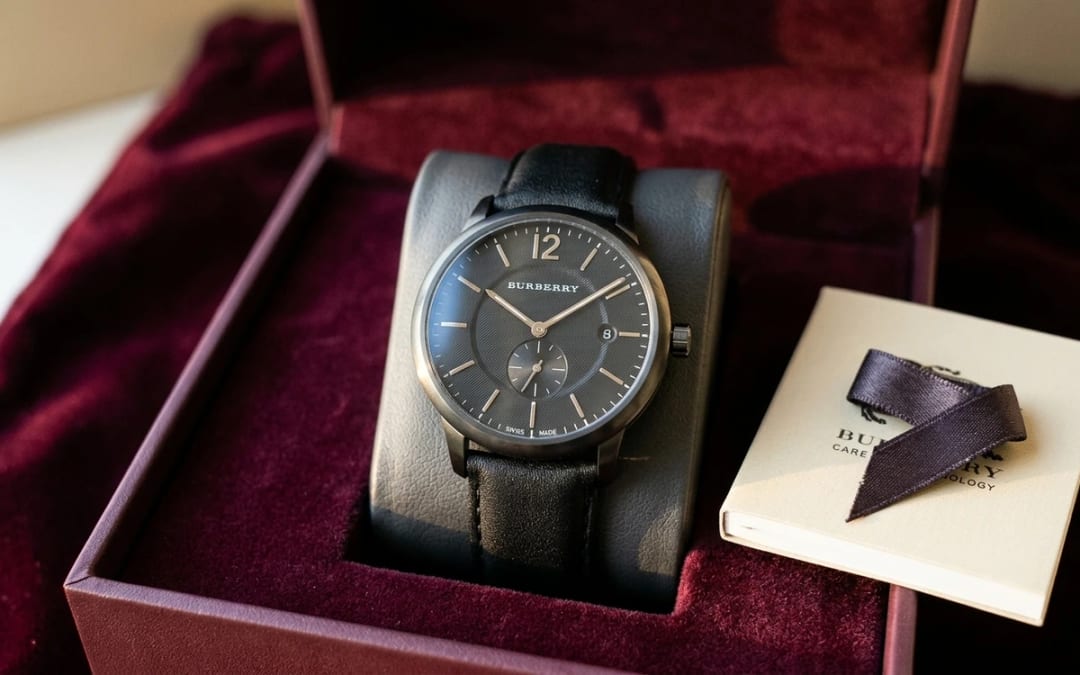
Burberry Women's Watch: the complete guide to collections, finishes and sizes
A Burberry women's watch is chosen on three criteria: the collection (The City, Heritage, The Britain, Classic Round), the finish (silver steel, Swiss made gold, two-tone, mother-of-pearl) and the case size according to your wrist. This guide decodes each collection, explains the real differences in finish and provides concrete reference points to find the Burberry watch that will accompany you for ten years.
 Frédéric Blanc15 min
Water resistance barometer watches 2026: what the French market really sells
Of 3,893 watches in active distribution in France, more than 8 out of 10 do not exceed 5 ATM. Michael Kors, Daniel Wellington, Calvin Klein, Maserati: here is the first water resistance barometer of the French watch market with real figures, by brand, and why so many buyers are mistaken without knowing it.
Frédéric Blanc18 min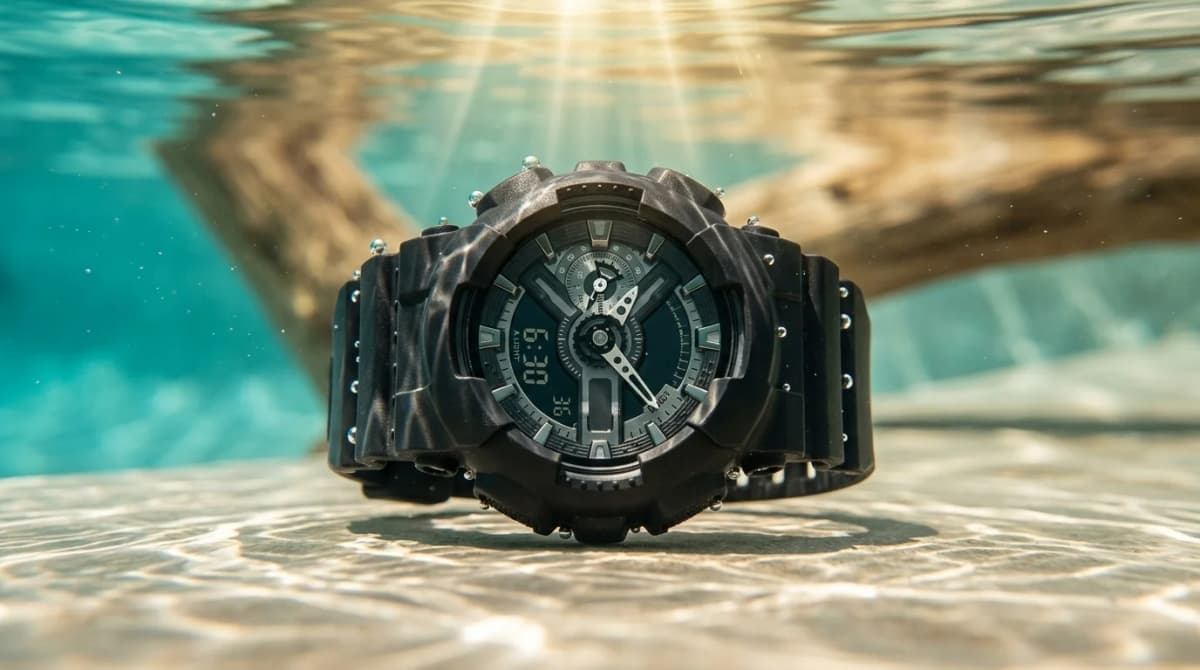
Watch water resistance: the definitive guide to ATM, bar, metres
Watch water resistance is the most poorly explained subject in mainstream horology. A marking of 50 m does not mean you can dive to 50 metres. Here is the definitive guide to ATM/bar/metres, the ISO standards that really matter, and the visual infographic that decodes all usage thresholds.
Frédéric Blanc20 min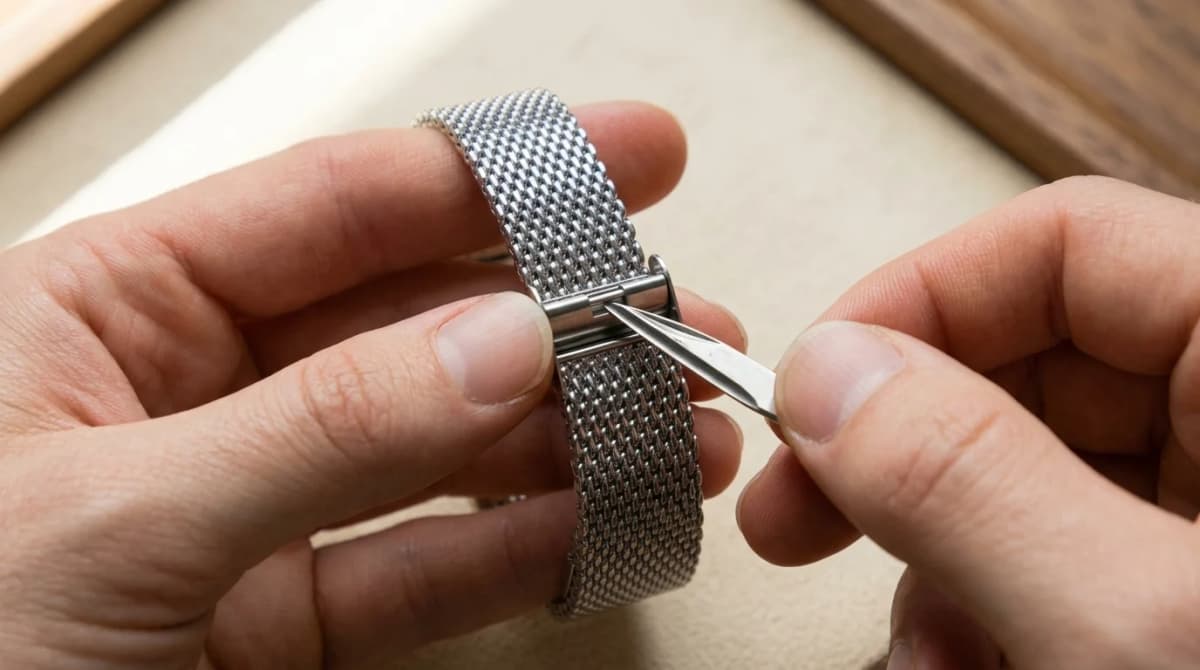
Adjusting a Milanese mesh watch strap: the sliding clasp method (not the strap)
A watch with a Milanese mesh strap is not shortened like a link bracelet: you adjust the sliding clasp instead. Here is the step-by-step method illustrated for Michael Kors, Emporio Armani, Daniel Wellington, Tommy Hilfiger and other fashion brands that use this type of clasp.
Frédéric Blanc18 min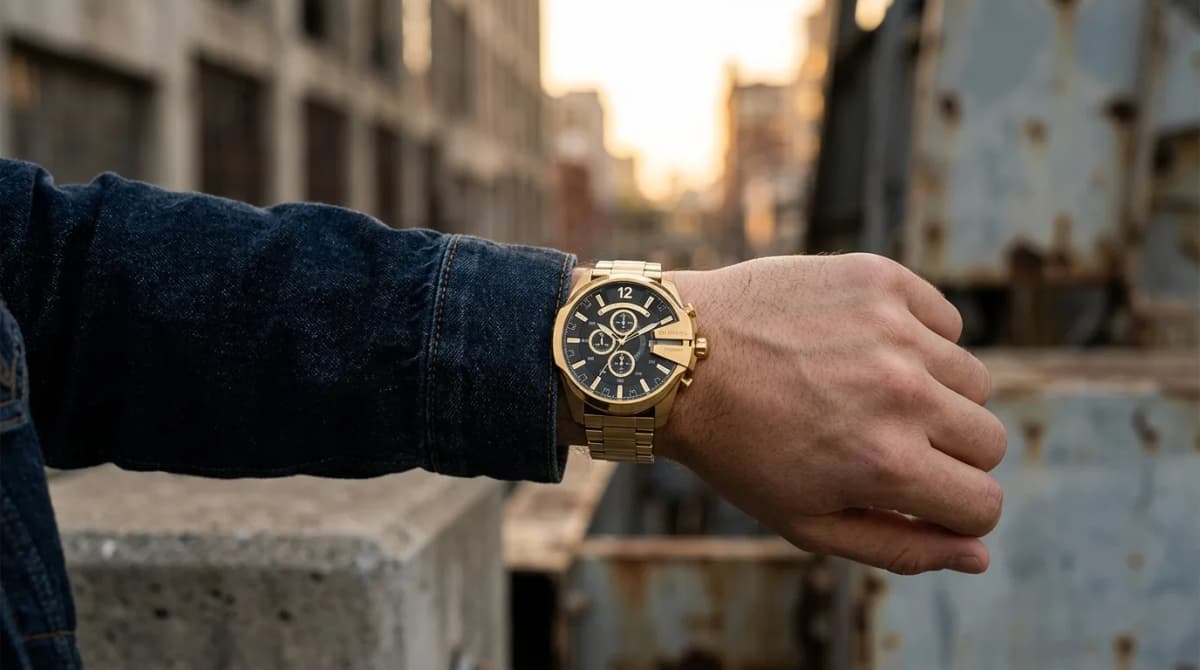
Diesel Mega Chief Men's Watch: Complete Guide to the Icon
Mega Chief: Diesel's Ultimate Icon The Diesel Mega Chief men's watch is undoubtedly the brand's most emblematic model. It embodies...
 L'équipe Montres Outlet18 min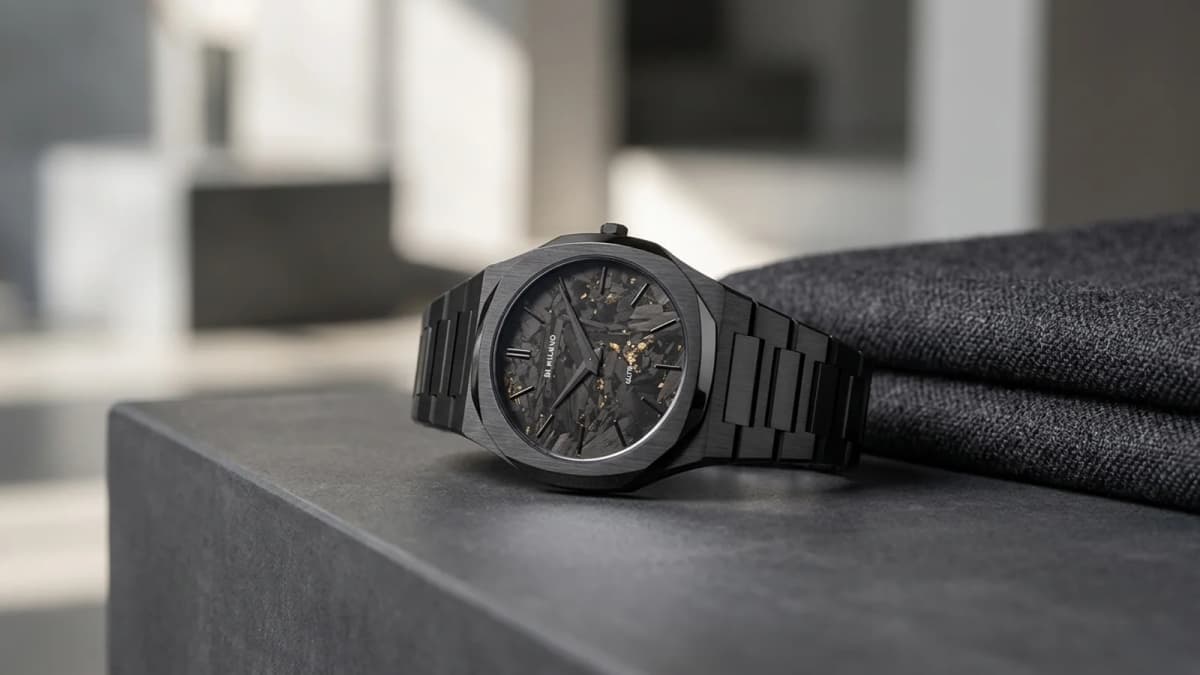
D1 Milano: reviews, models and buying guide
What are D1 Milano watches worth? Octagonal signature, ultra-thin case, sapphire crystal: our complete guide to choosing your D1 Milano, with honest user reviews.
 Thomas Durand10 min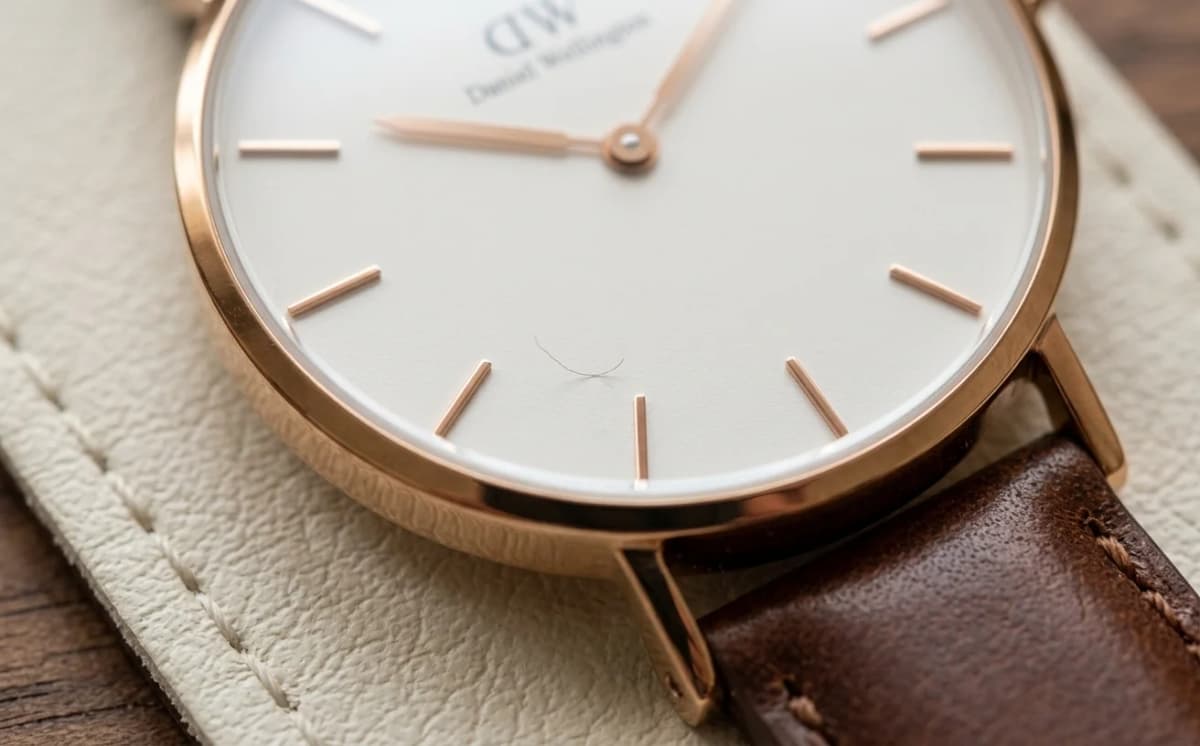
Dust on a watch dial: how to remove it easily
A tiny speck of dust or a fibre under the crystal, sometimes straight out of the box: annoying, but rarely serious. Where does it come from, even on a brand new watch? When should you use the warranty rather than opening it yourself? And how do you remove it properly with a blower bulb and tools you already have at home? The complete step-by-step method, from a watchmaker trained in Morteau.
Pierre Laurent23 min