
Automatic watch stopped: a fault or an empty reserve? The video guide
The video guide · 2:15
Chapters
Transcript
Your automatic watch has stopped on the bedside table. Before you rush to the watchmaker, just one question: when did you last wear it? An automatic lives on a reserve: a spring, wound by the movements of your wrist. On the most common calibres, that reserve lasts around forty hours. A few recent calibres go beyond three days. Do the maths. Put down on Friday evening, even fully wound, a forty-hour watch stops before Monday morning. It is not a fault: its reserve is empty. To restart it, take it off your wrist, crown pushed in, and turn the crown gently, clockwise. On the first turn, nothing moves: an empty spring has too little force. The seconds hand starts again after about twenty turns. Shaking it can get it going, but does not fill it up, and neither do twenty turns or so: for a full reserve, the simplest thing is still to wear it. Then set the time, before you put it on your wrist. After several days stopped, the date has fallen behind too: correct it during the day, never in the evening. It stops even though you wear it every day? Most often, it is not worn long enough, or the arm moves very little. One maker advises wearing it more than ten hours a day, or giving the crown a few turns when you take it off. That is when to worry: it will not restart, it stops after a few hours although it is fully wound, or it suddenly gains or loses a lot. A magnet, a knock, tired oils: that is a job for a watchmaker. Discover a whole selection of watches at Montres Outlet.
More video guides
 ▶ 2:28
How does a radio-controlled watch work? The video guide
 ▶ 2:20
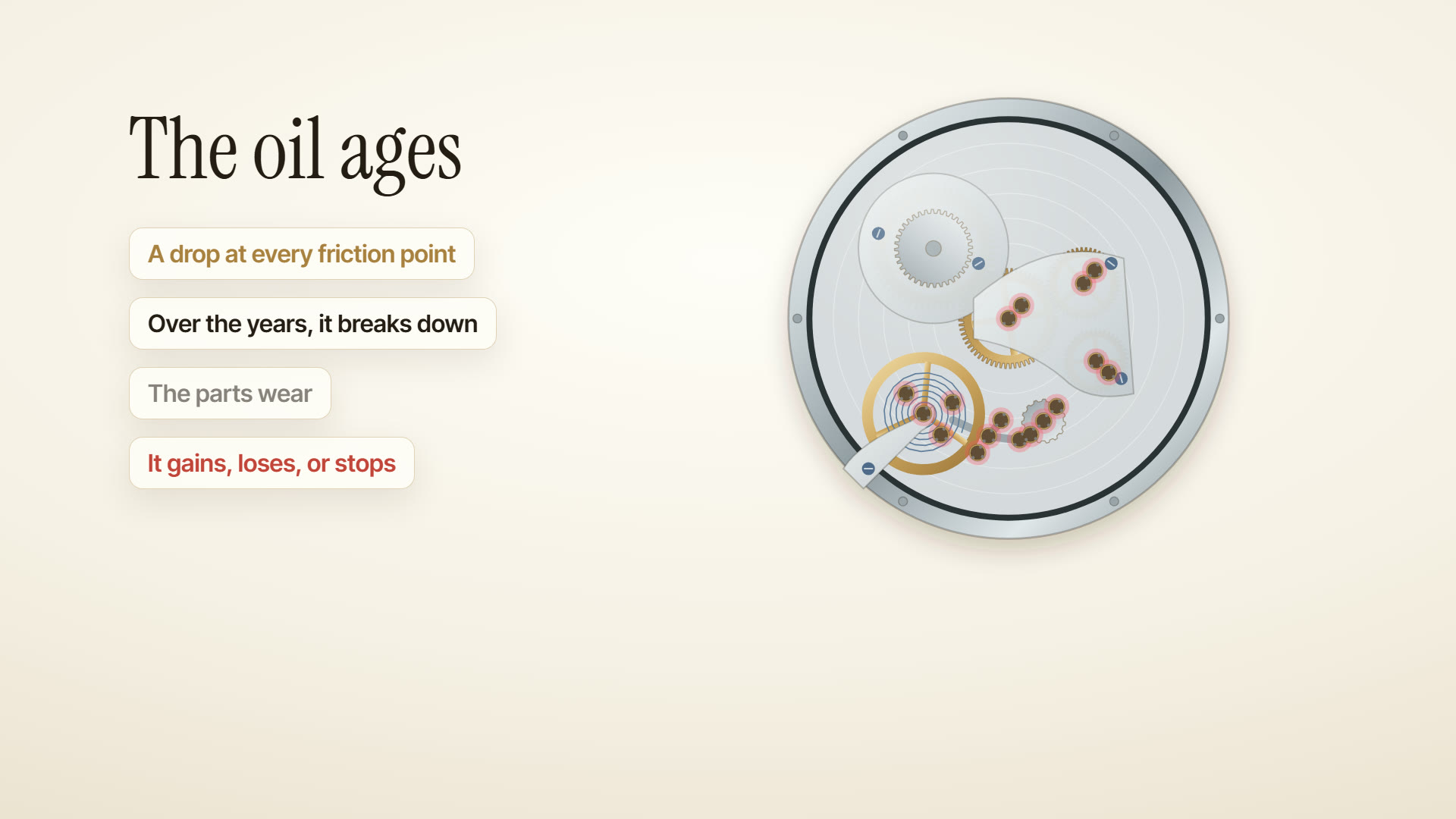
Should you service a watch that runs fine? The video guide
 ▶ 2:25
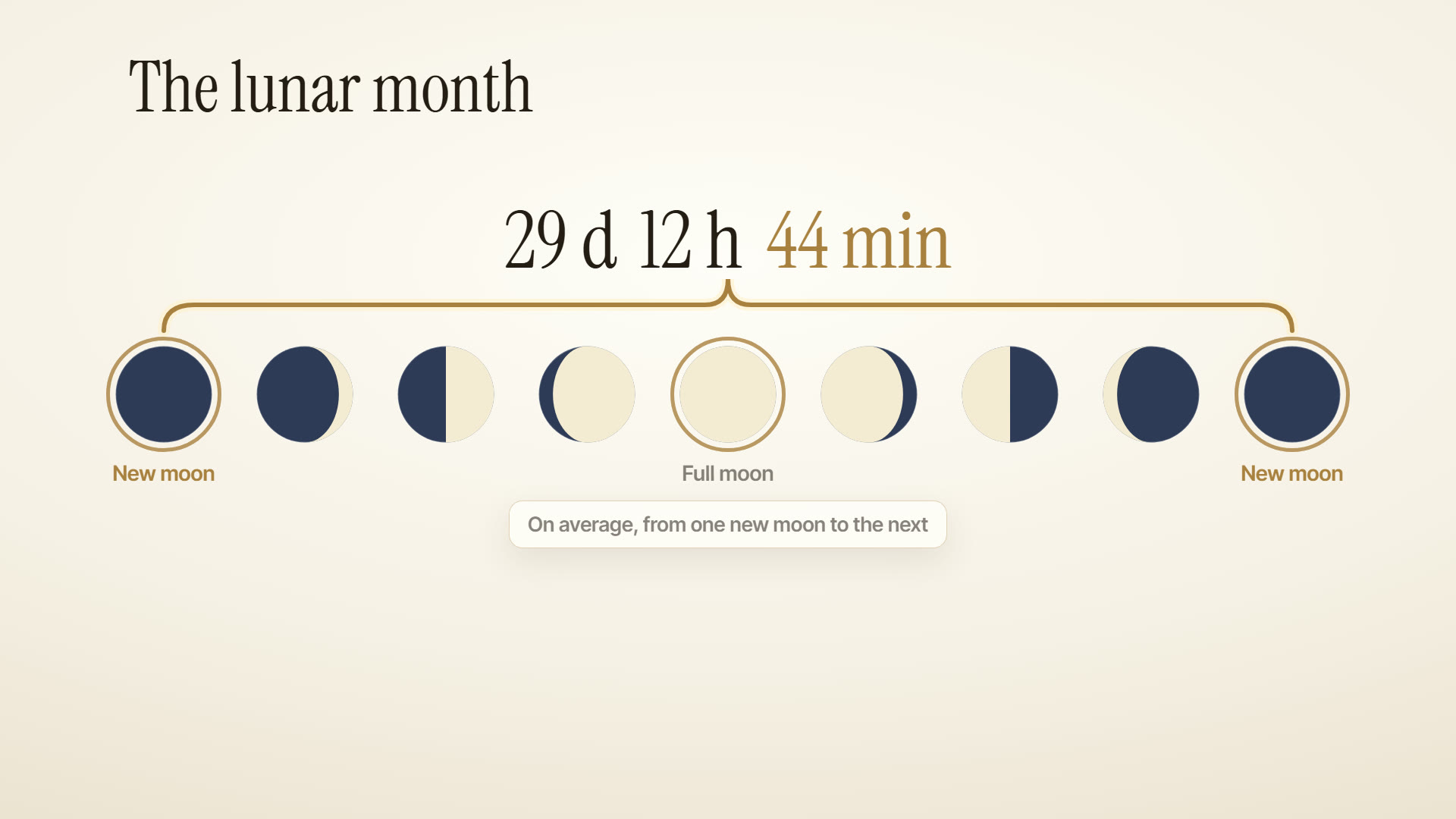
Moon phase: how do you read and set it? The video guide
 ▶ 2:22
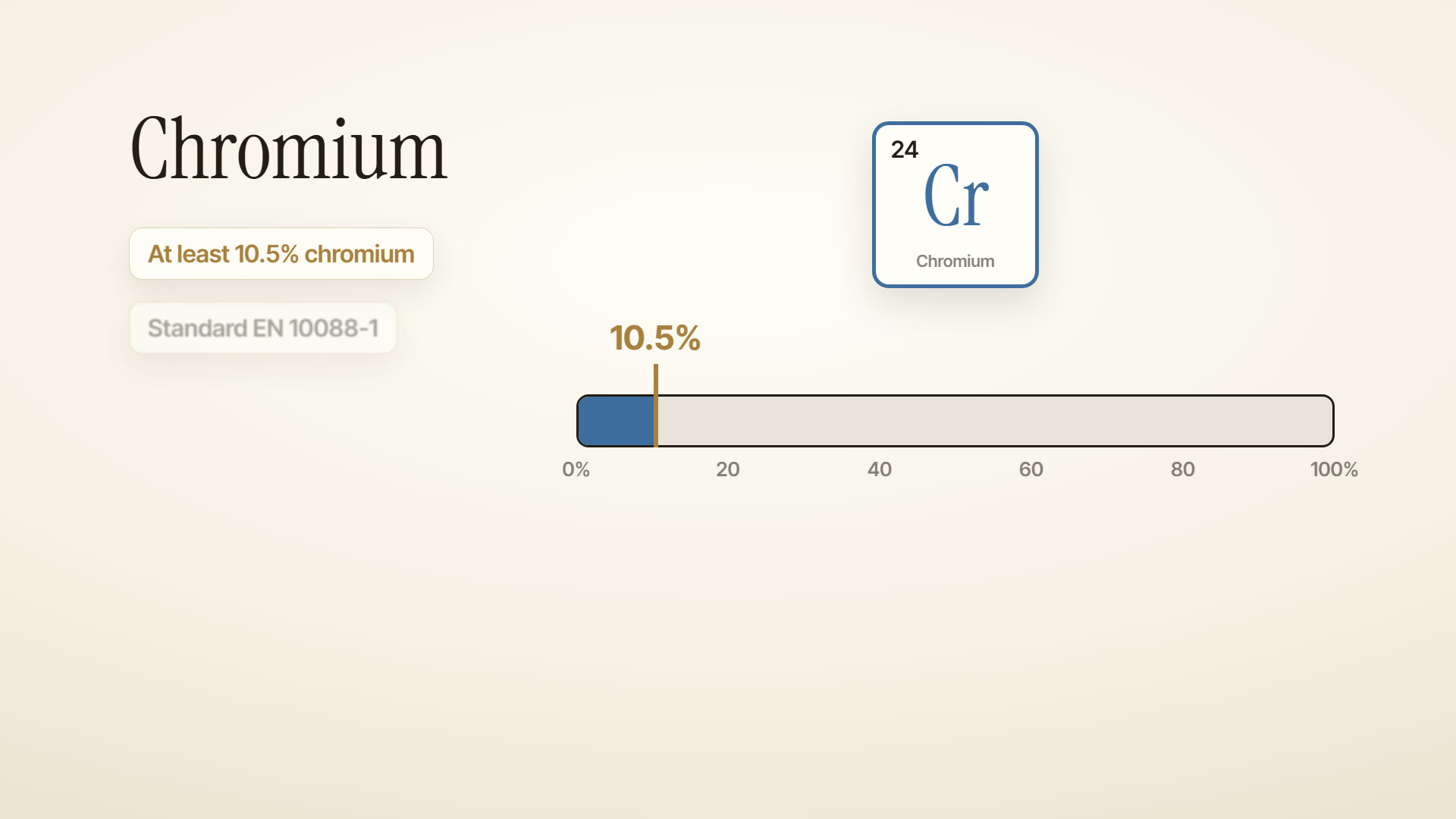
Why does a steel watch not rust? The video guide
 ▶ 2:20
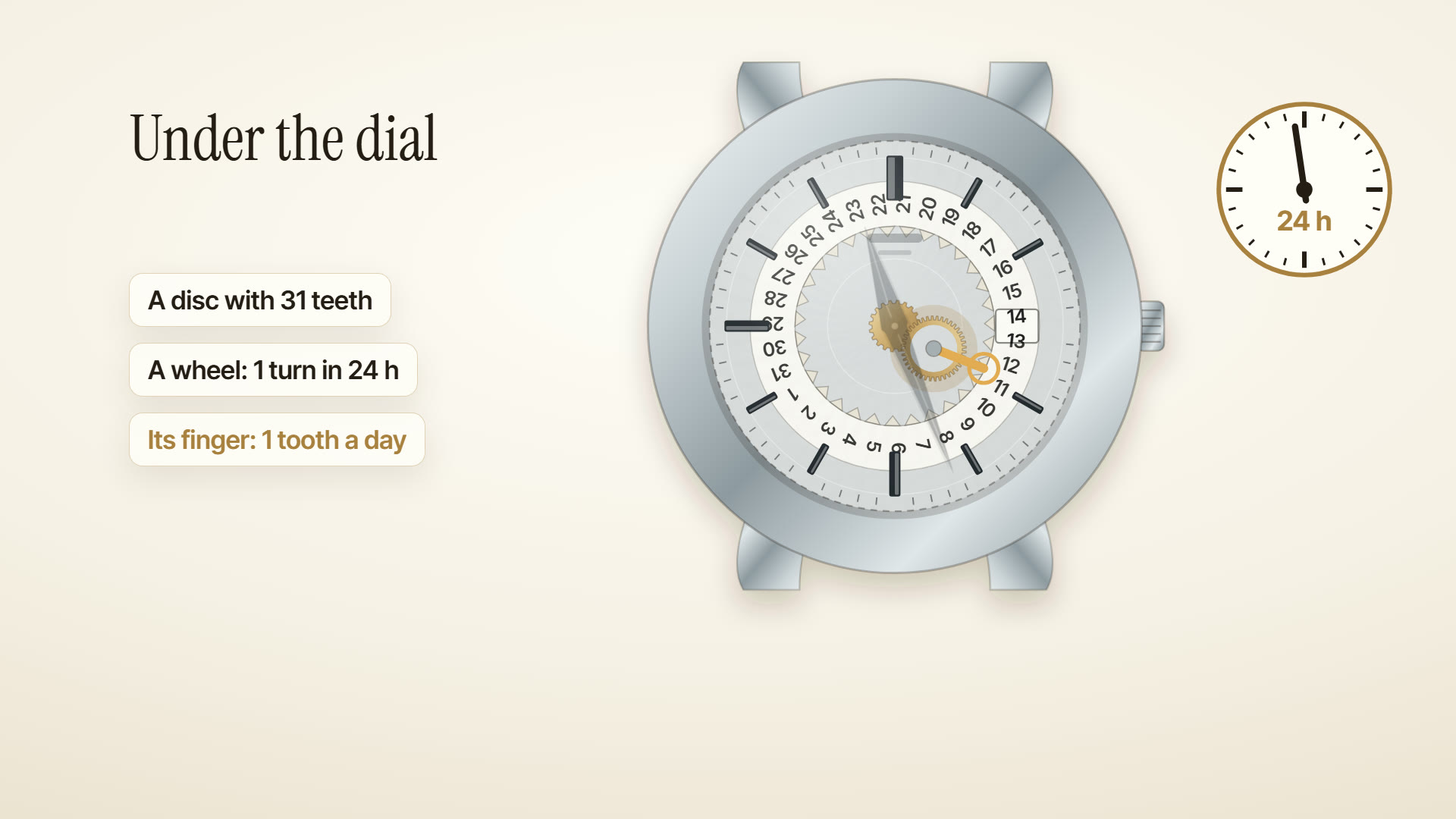
Why does the watch date change before midnight? The video guide
 ▶ 2:13