
Moon phase: how do you read and set it? The video guide
The video guide · 2:25
Chapters
Transcript
On this dial, a small moon grows, then thins out, over the month. It follows the sky. But it gains a slight lead, which builds up. From one new moon to the next, there are on average twenty-nine days, twelve hours and forty-four minutes. That is the lunar month, also called a lunation. The watch rounds it to twenty-nine and a half days. Under the window turns a disc carrying two moons, driven by a wheel with fifty-nine teeth: two lunations of twenty-nine and a half days. Once a day, a finger pushes the wheel on by one tooth. At the edge of the window, two curved shapes gradually hide the moon. Hidden behind them, it is a new moon. Round and centred, it is a full moon. Rounding has a price: forty-four minutes short of the sky with every lunation. After about two years and seven months, the watch is one day ahead. One press on the corrector, and it is back in line. More precise versions use a wheel with one hundred and thirty-five teeth. The gap then shrinks to one day in one hundred and twenty-two years. To set it, first put the hands at around half past six: as with the date, you avoid the night. Bring the full moon right to the centre. Then look up the date of the last full moon in a lunar calendar, and press once for every day since. The corrector is often a small recessed pusher on the side of the case, sometimes the crown: the manual says which. An automatic that has stopped needs resetting. And a sun and a moon that turn in twenty-four hours are a day and night indicator, not a moon phase. Discover a whole selection of watches at Montres Outlet.
More video guides
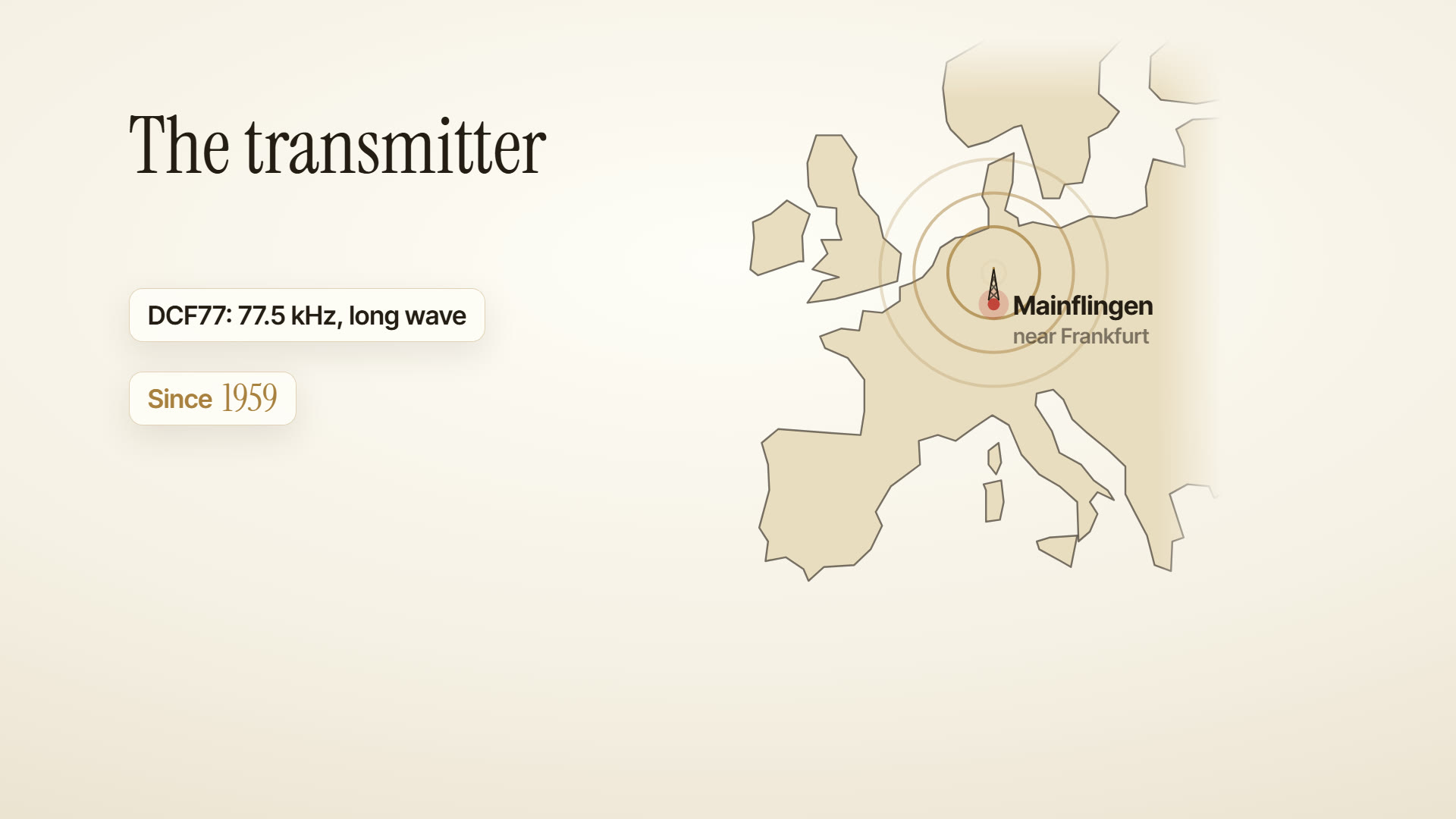 ▶ 2:28
How does a radio-controlled watch work? The video guide
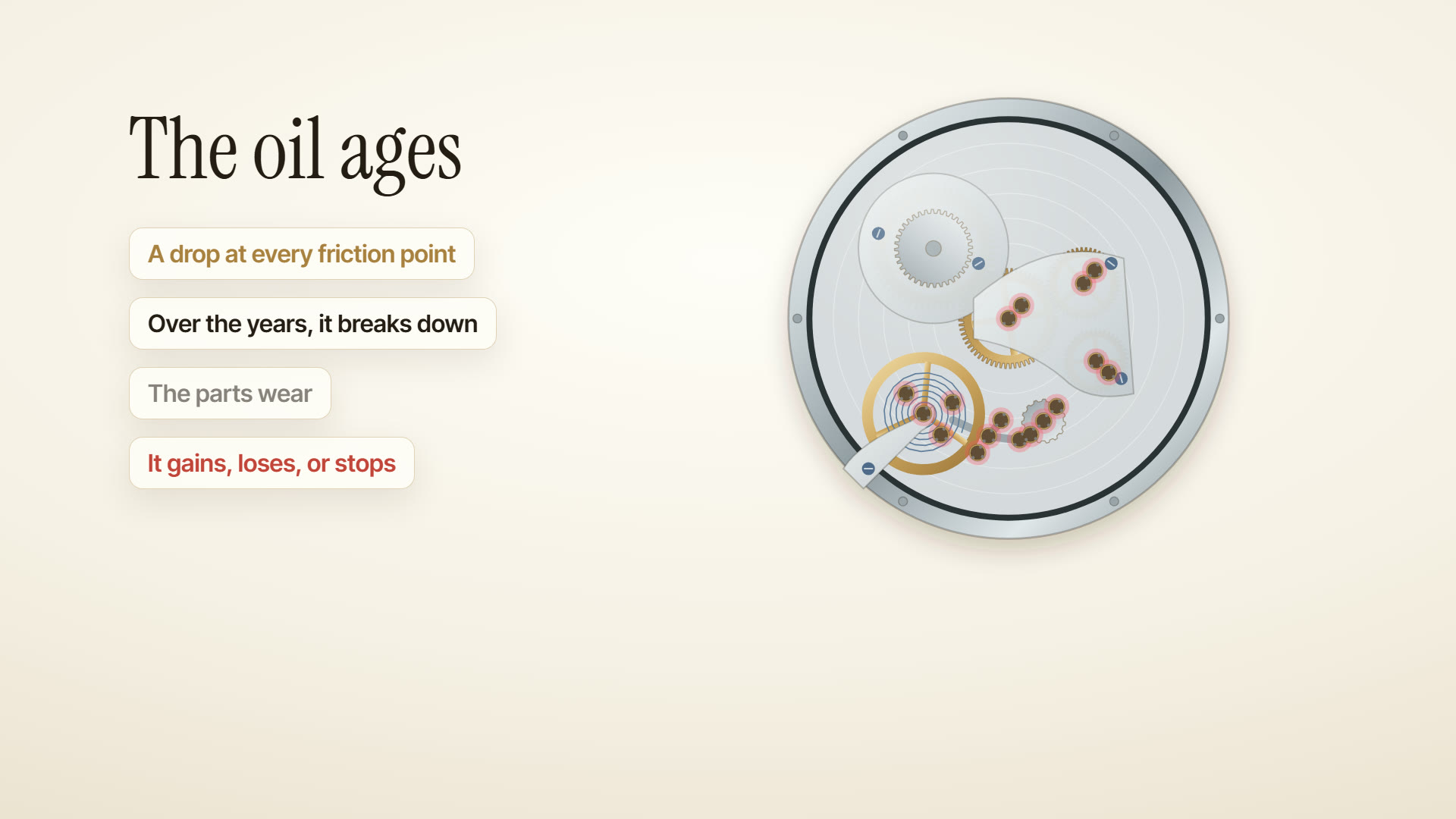 ▶ 2:20
Should you service a watch that runs fine? The video guide
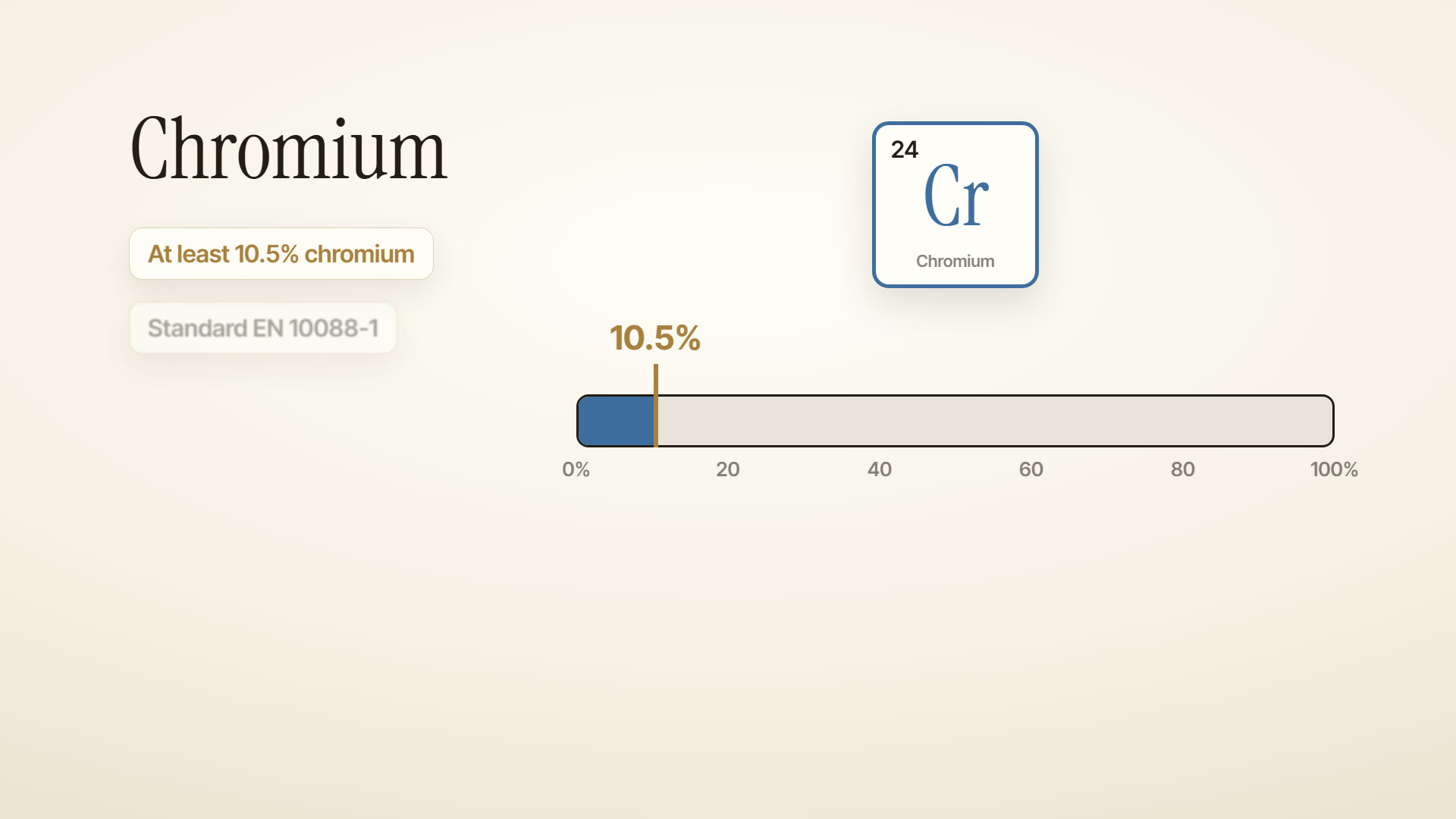 ▶ 2:22
Why does a steel watch not rust? The video guide
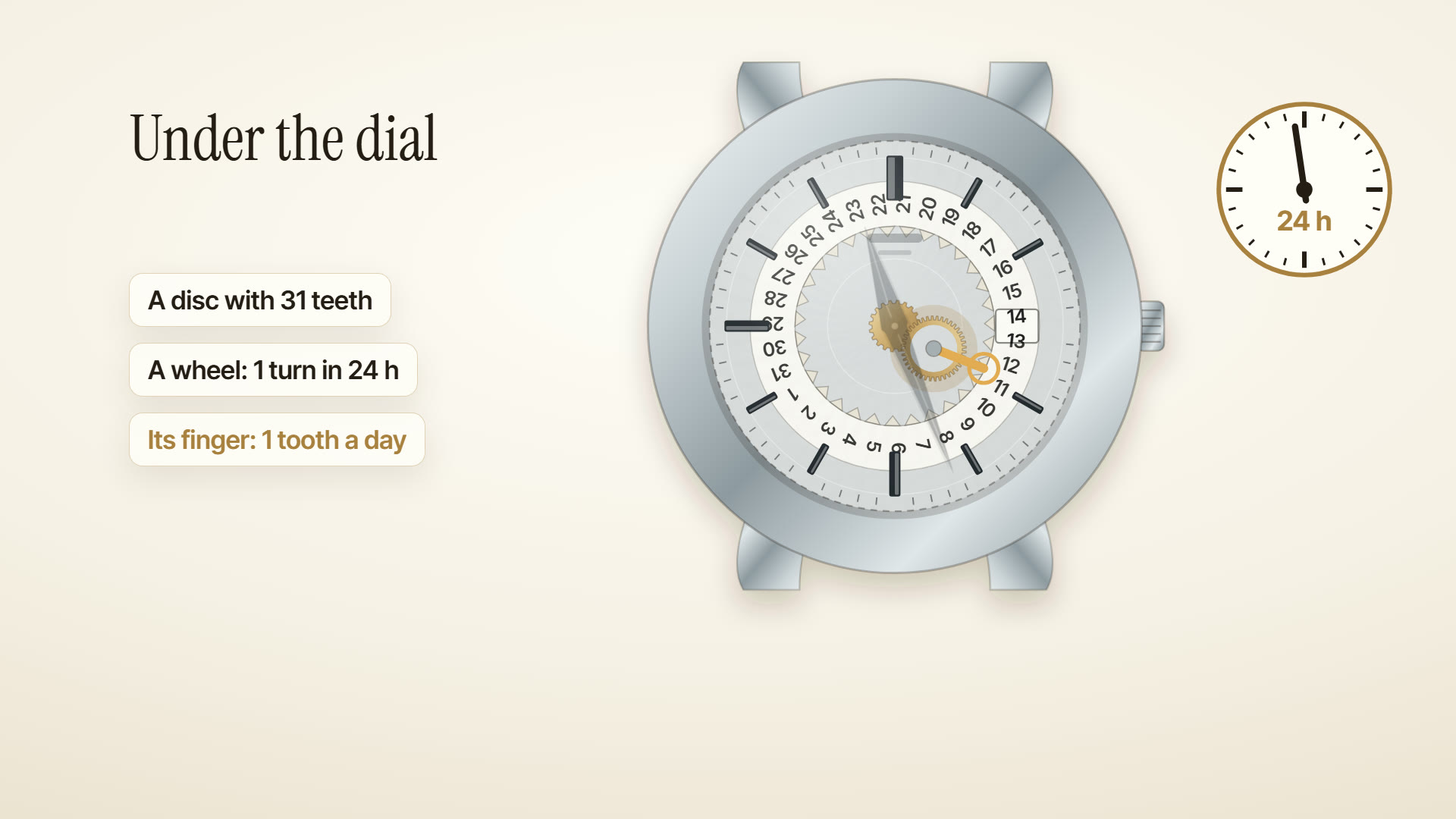 ▶ 2:20
Why does the watch date change before midnight? The video guide
 ▶ 2:13
How does watch shock protection work? The video guide
 ▶ 2:21