
How does watch shock protection work? The video guide
The video guide · 2:13
Chapters
Transcript
Your watch slipped out of your hands, and it still runs? Thank a tiny part that goes to work every time it falls: the shock protection. At the heart of a mechanical watch, the balance swings back and forth on a staff, without stopping. At each end of that staff, a pivot finer than a tenth of a millimetre turns in a jewel. The problem: these very fine pivots carry the whole balance. When the watch falls, everything bears down on them. Without protection, a knock can bend or break them, and the watch stops. Shock protection is a bearing that is allowed to move. The jewel is not set rigidly into the movement: it is held by a small spring, often shaped like a lyre. On impact, the jewel moves back with the pivot, the spring gives way, and a thicker, stronger part of the staff takes the blow. The pivot itself is spared. Then the spring brings the jewel back exactly to the centre, and the balance carries on as before. It all happens in an instant, at each end of the staff. The word shock-resistant on a watch refers to a standard, ISO one thousand four hundred and thirteen. It simulates a fall of one metre onto a hardwood floor. After the shocks, the watch must not stop or be damaged, and its rate must not change by more than one minute a day. One metre onto hardwood: that is what the standard guarantees, nothing more. A higher fall, or onto tiles, is still a real risk. After a hard knock, if the watch gains, loses or stops, show it to a watchmaker. Discover a whole selection of watches at Montres Outlet.
More video guides
 ▶ 2:28
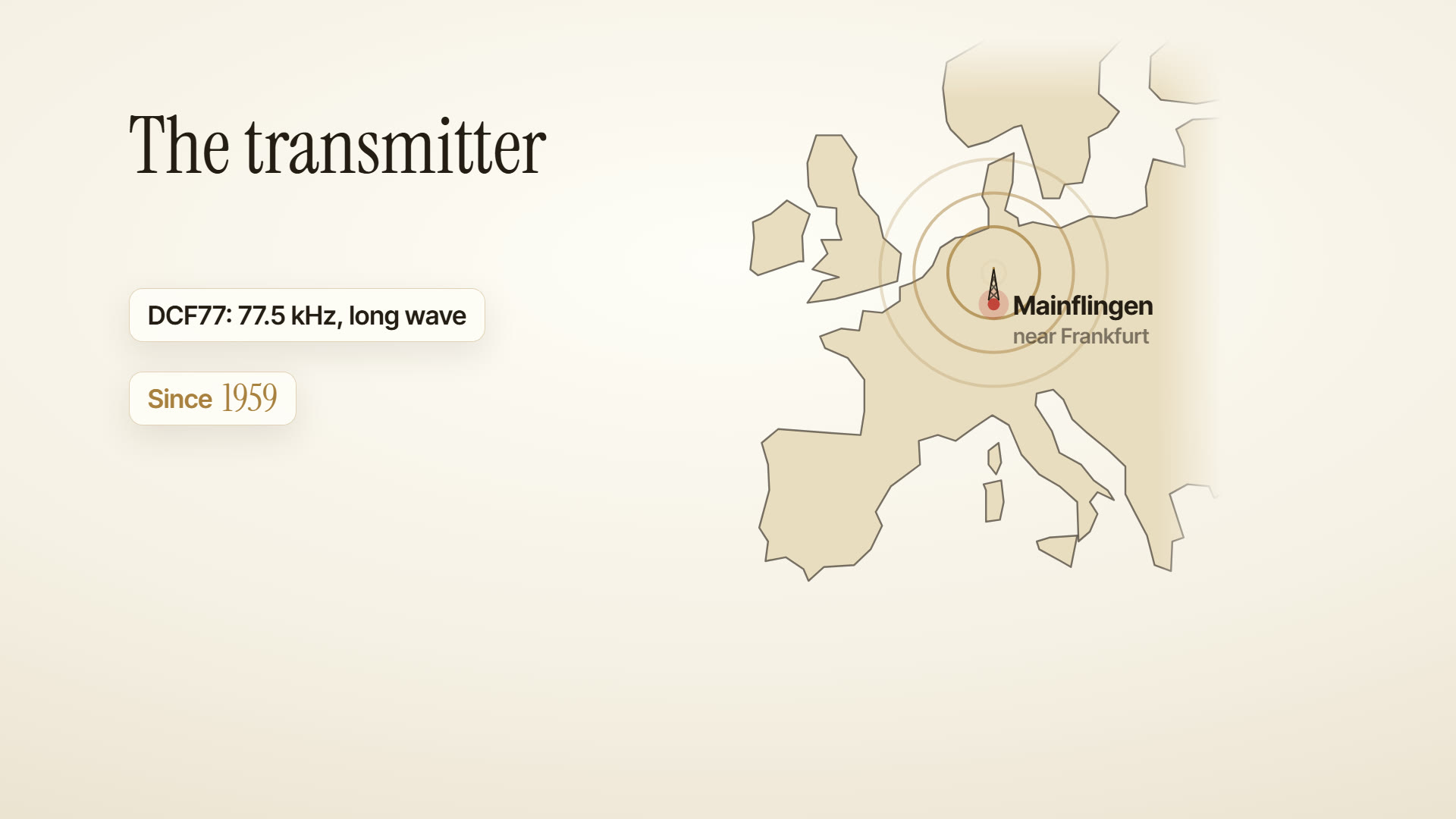
How does a radio-controlled watch work? The video guide
 ▶ 2:20
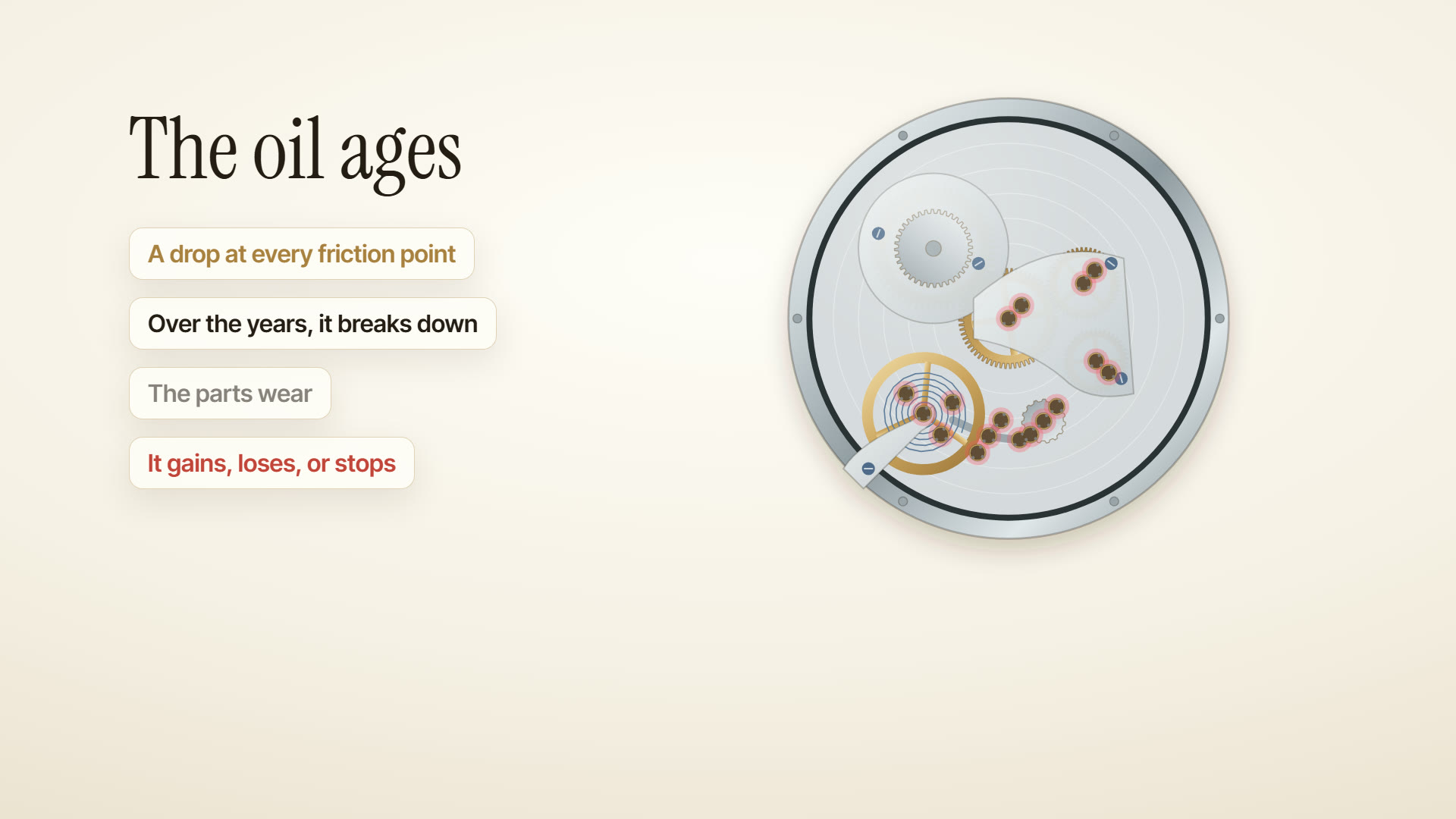
Should you service a watch that runs fine? The video guide
 ▶ 2:25
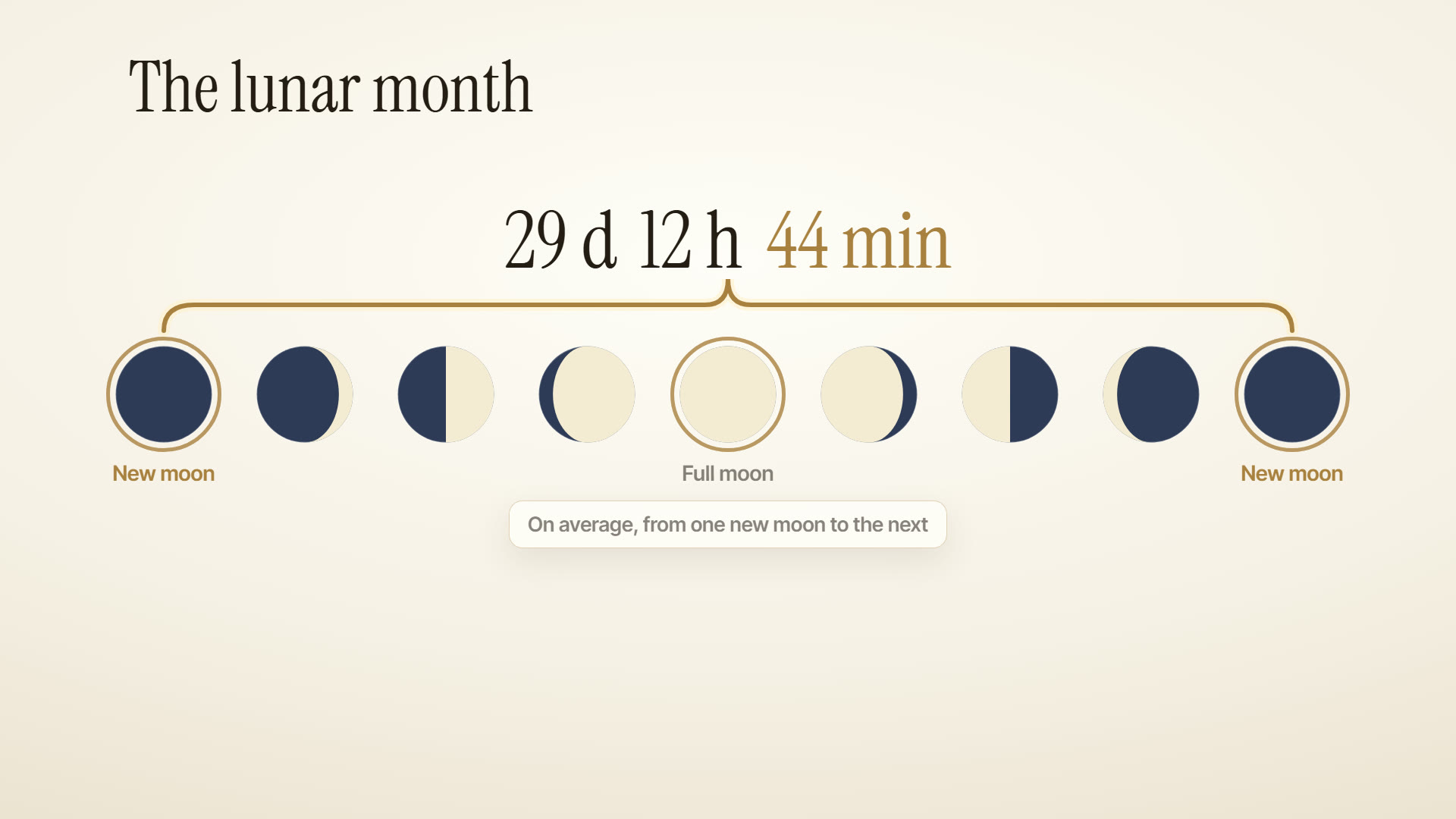
Moon phase: how do you read and set it? The video guide
 ▶ 2:22
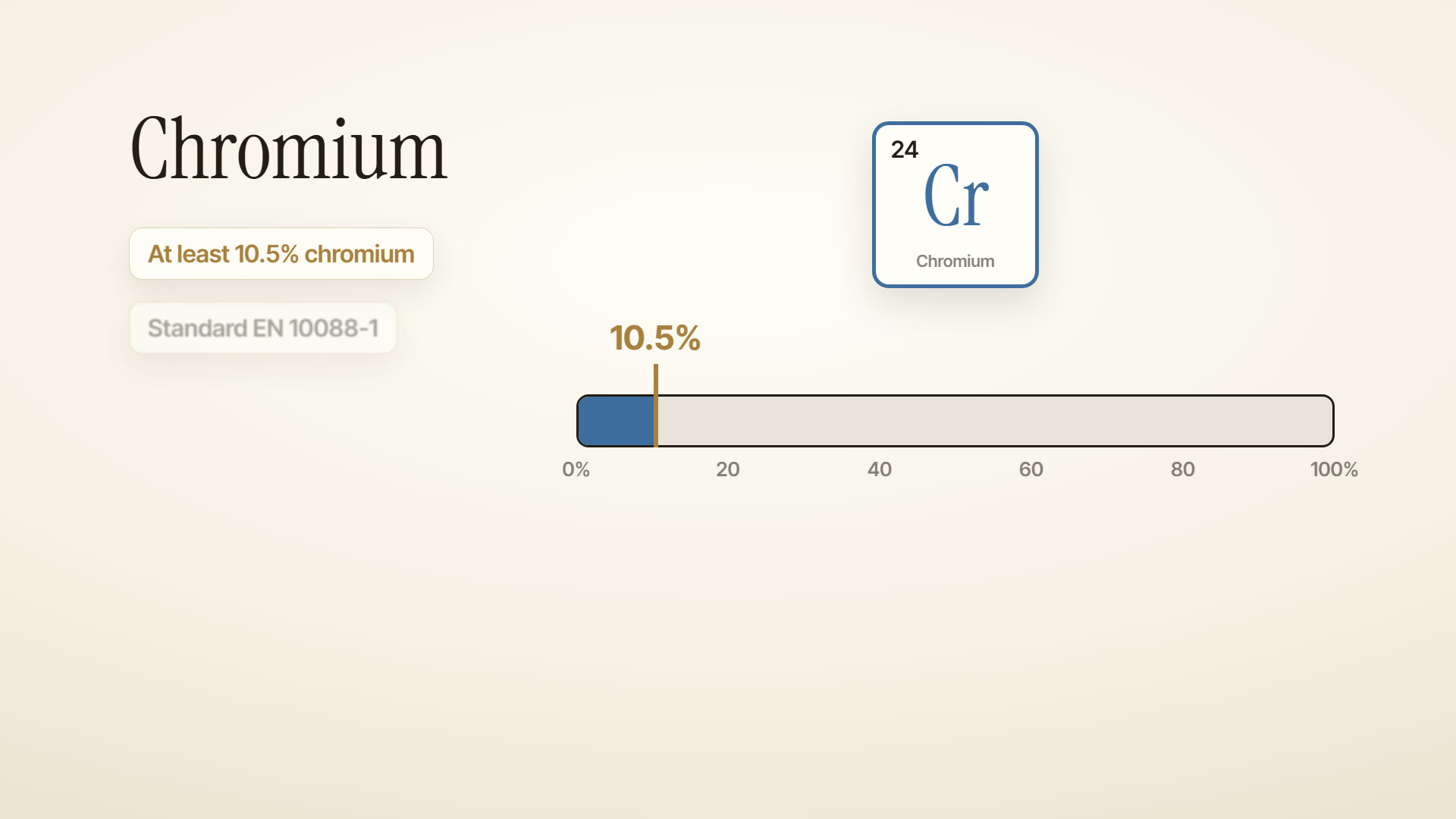
Why does a steel watch not rust? The video guide
 ▶ 2:20
Why does the watch date change before midnight? The video guide
 ▶ 2:21