
Why does the watch date change before midnight? The video guide
The video guide · 2:20
Chapters
Transcript
Around eleven at night, look at the date window. On many watches, the number has already started to slide. Nothing is wrong: that is simply how it changes date. The date is printed on a disc with thirty-one teeth. A wheel, driven by the hour wheel, turns once in twenty-four hours. Its finger pushes the disc on by one tooth a day. First system, the simplest: the dragging date. The finger pushes the disc at the pace of the hands, very slowly. The change takes about two hours. Second system, the most widespread on mass-produced watches: the semi-instantaneous date. A small spring, the jumper, holds the disc. The finger pushes, the number barely moves, then the disc snaps into place. Third system, more elaborate: the instantaneous date. Before midnight, the mechanism winds up a spring without touching the disc. At midnight, it releases it: the date changes in a fraction of a second. It takes more energy from the movement. In all three cases, the mechanism is at work well before midnight. That is why you do not correct the date in the evening: it would mean forcing against it. On a day-date watch, the day may change later: at one maker, around four in the morning. And the disc always counts thirty-one days: after a shorter month, you move the date on by hand, five times a year. To find out your system, watch the window one evening, before midnight. The number slides for a long time: dragging. It moves a little, then jumps: semi-instantaneous. Nothing moves until midnight on the dot: instantaneous. Discover a whole selection of watches at Montres Outlet.
More video guides
 ▶ 2:28
How does a radio-controlled watch work? The video guide
 ▶ 2:20
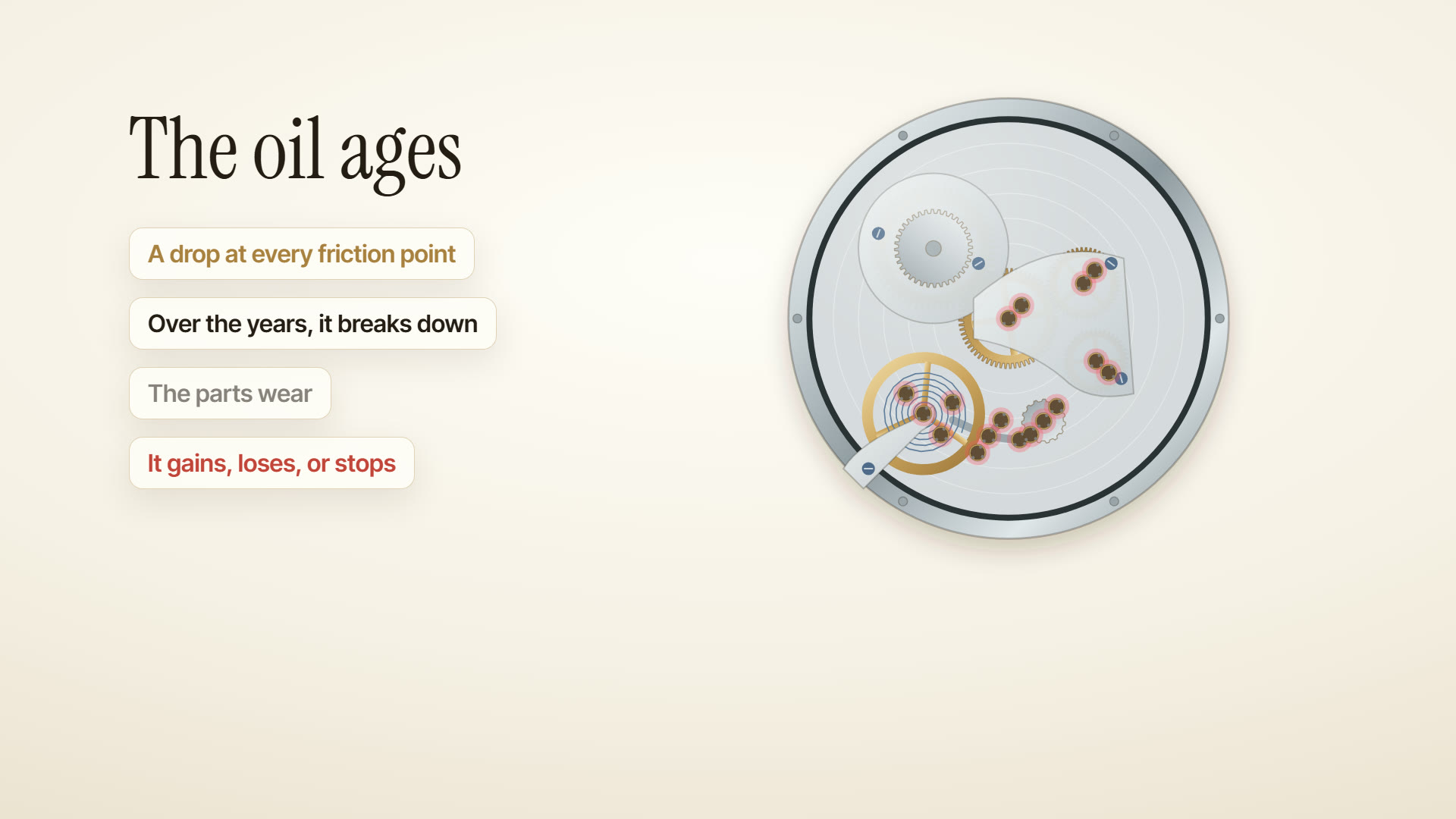
Should you service a watch that runs fine? The video guide
 ▶ 2:25
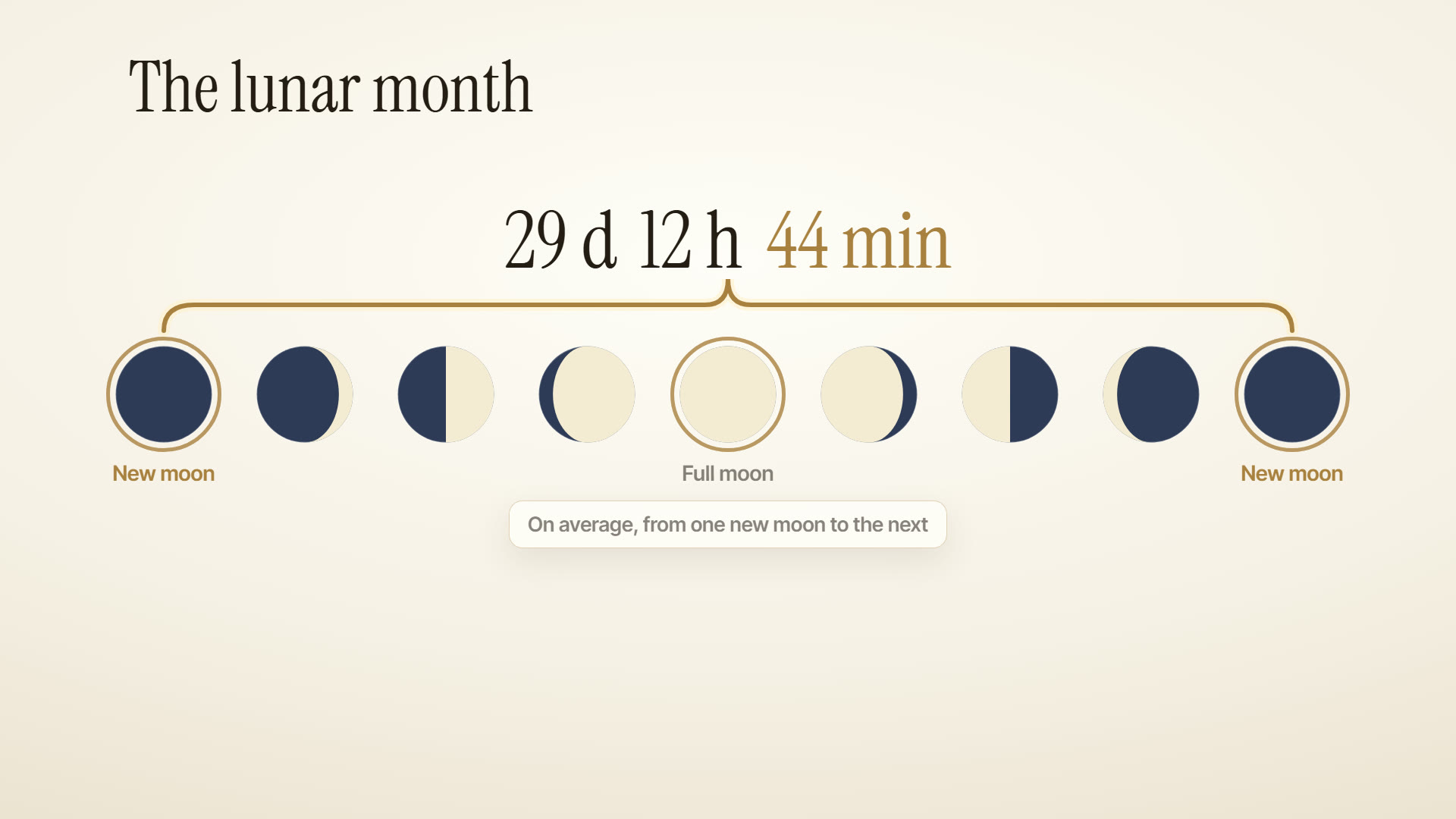
Moon phase: how do you read and set it? The video guide
 ▶ 2:22
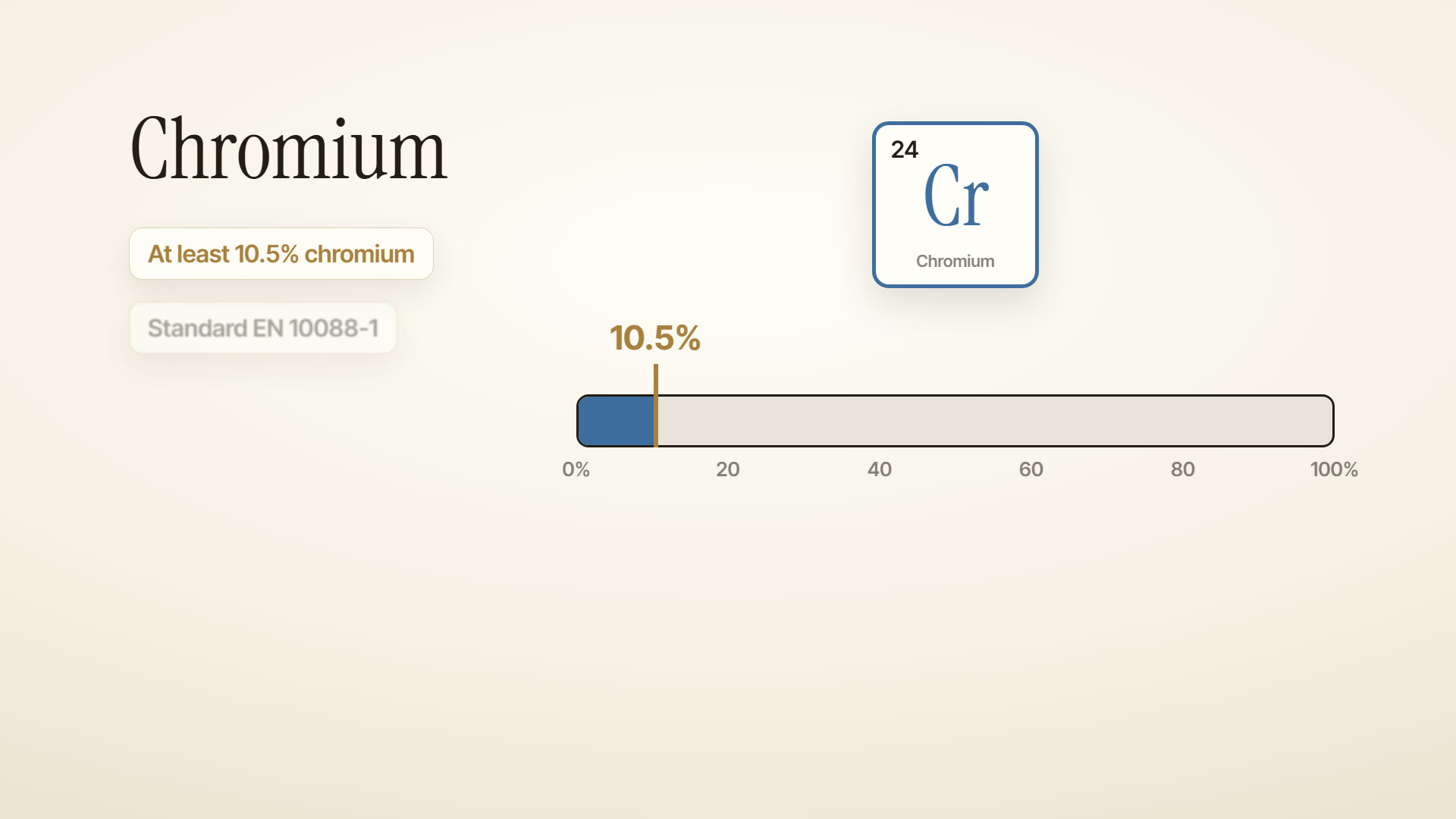
Why does a steel watch not rust? The video guide
 ▶ 2:13
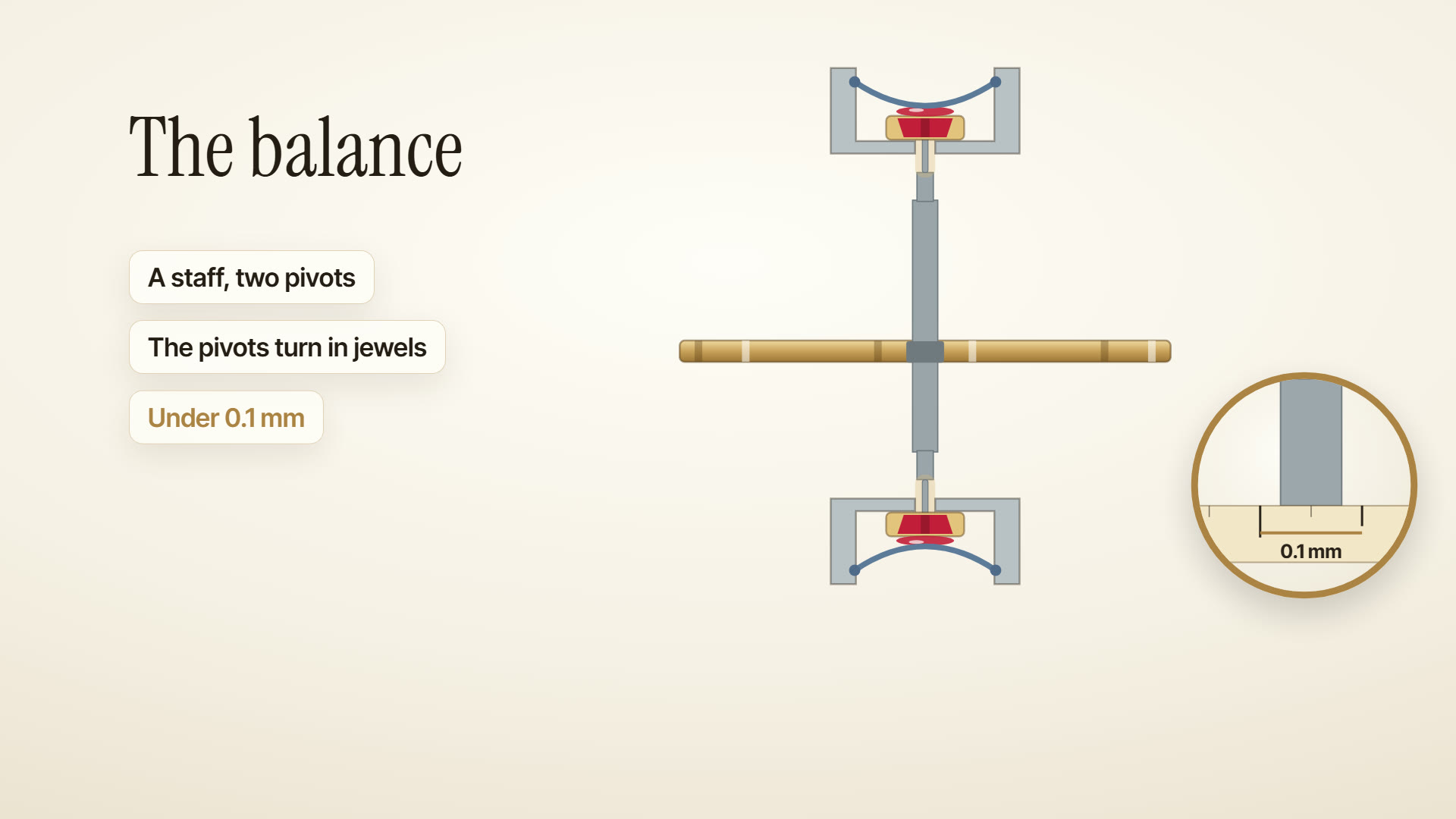
How does watch shock protection work? The video guide
 ▶ 2:21