
Why does a steel watch not rust? The video guide
The video guide · 2:22
Chapters
Transcript
Rain, sweat, water from the basin: your steel watch sees them every day, and it does not rust. Yet ordinary steel does rust. Why? The secret is chromium. A stainless steel contains at least ten and a half per cent of it. That is not a slogan: it is the definition in the European standard. In contact with air, this chromium forms an invisible oxide layer on the surface, two to three millionths of a millimetre thick. It is this layer that keeps water and oxygen out. And if it gets scratched? It forms again on its own, with the oxygen in the air and moisture. The scratch stays visible, but the metal protects itself once more. On a watch, you will often read three-sixteen L. The L stands for low carbon: less than three hundredths of a per cent. When it is heated, during welding for example, its chromium does not bind to the carbon: it stays there to protect. It also contains two to three per cent molybdenum, which strengthens its resistance to salt. According to a steelmaker's data sheet, it withstands about twenty times more chloride than the most common stainless steel, three-oh-four. But stainless does not mean invulnerable. Sea water left to dry leaves its salt between the links and under the clasp, and concentrates it against the metal. Pool chlorine does the same. Over time, tiny pits can appear. The right habit, if your watch goes in the water: rinse it in fresh water, then dry it. There are even richer steels, such as nine-oh-four L. But day to day, rinsing is what makes the difference. Discover a whole selection of watches at Montres Outlet.
More video guides
 ▶ 2:28
How does a radio-controlled watch work? The video guide
 ▶ 2:20
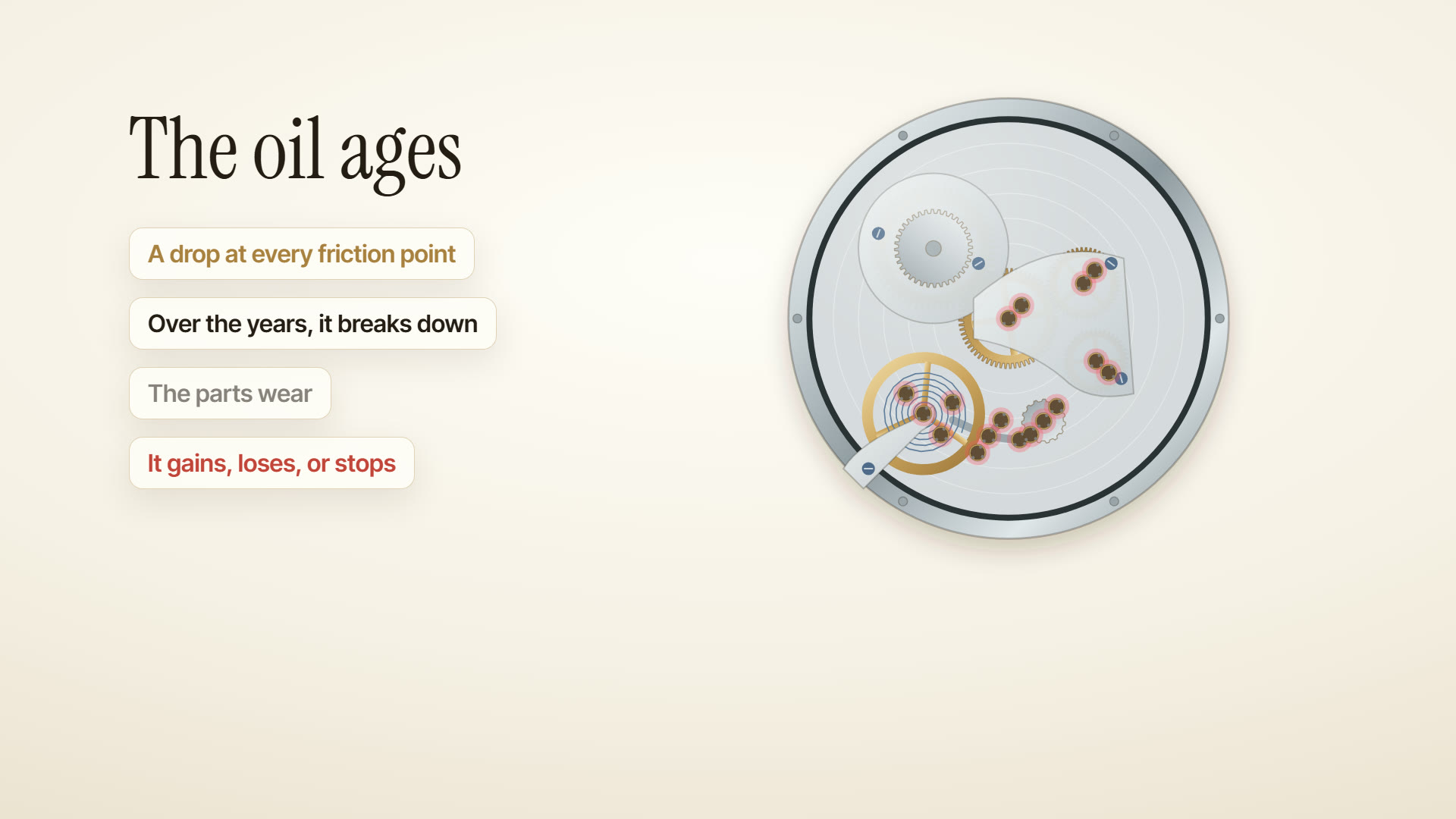
Should you service a watch that runs fine? The video guide
 ▶ 2:25
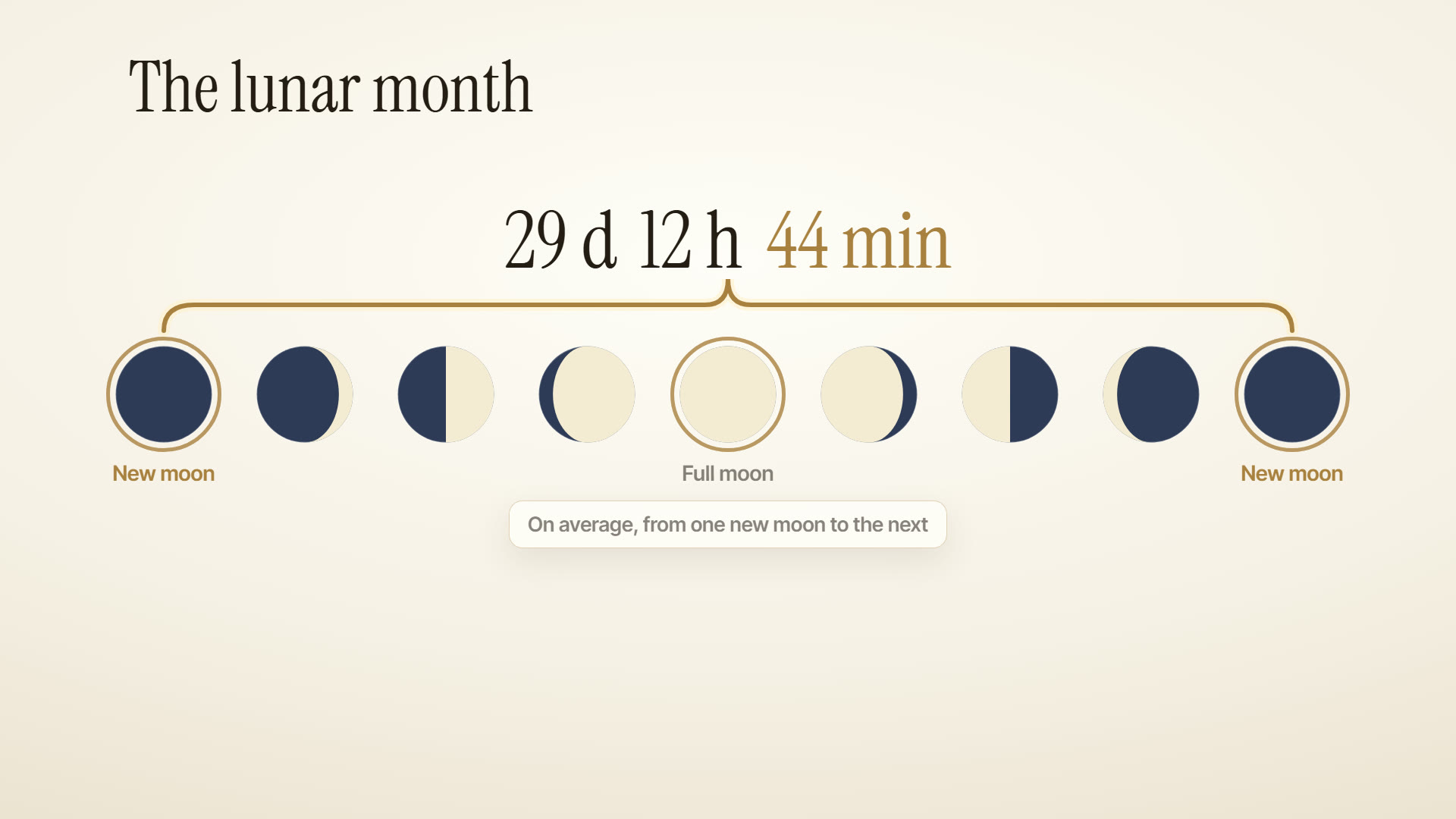
Moon phase: how do you read and set it? The video guide
 ▶ 2:20
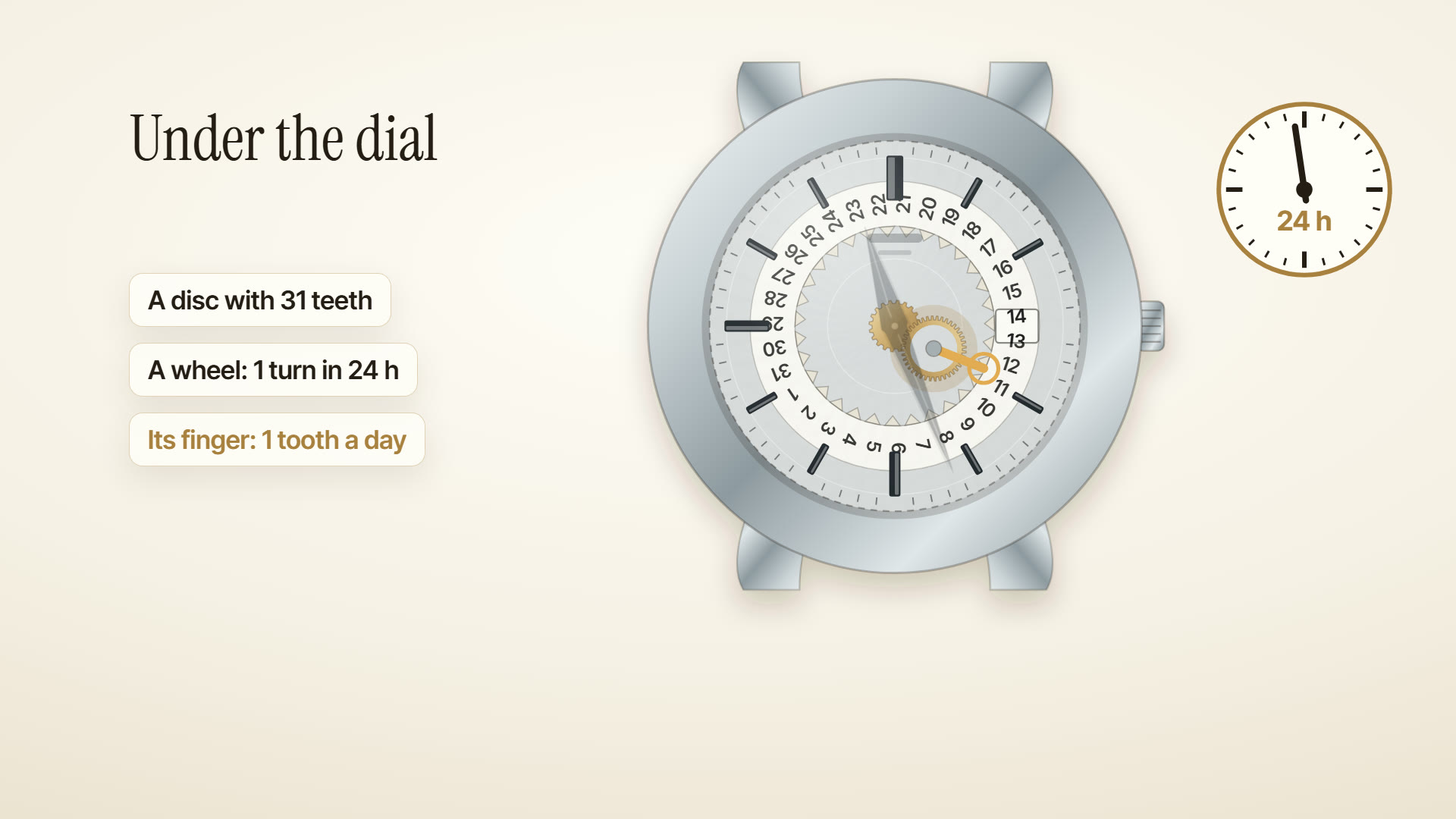
Why does the watch date change before midnight? The video guide
 ▶ 2:13
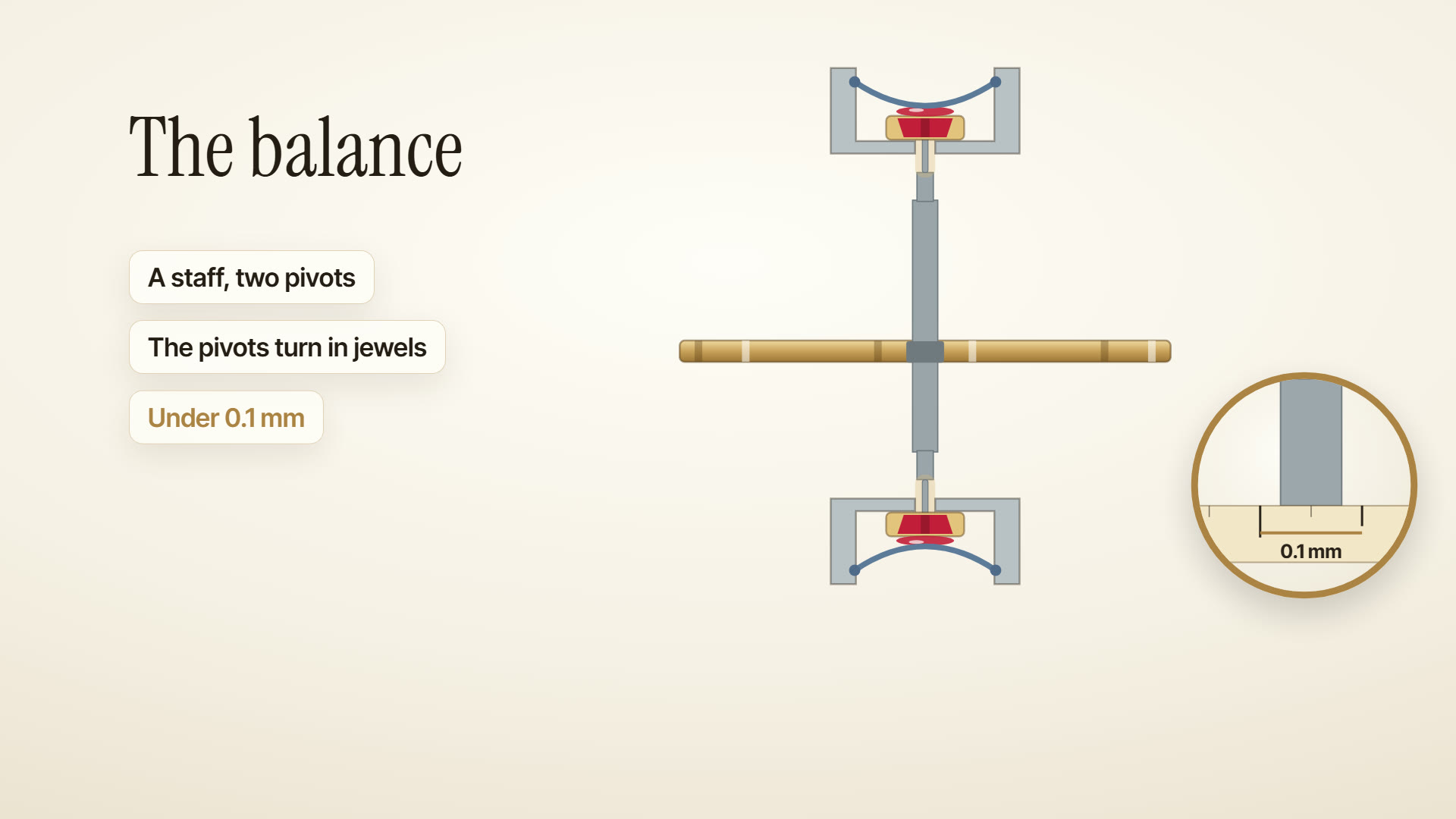
How does watch shock protection work? The video guide
 ▶ 2:21