
Gold-tone, gold-plated or PVD: what is the difference? The video guide
The video guide · 2:25
Chapters
Transcript
Gold-tone, gold-plated, PVD. Three words for one colour, but not for the same layer. On most gold-tone watches, the colour is just a very thin layer, laid over another metal. It all comes down to how that layer is applied. The first method is electroplating. The part is dipped into a bath, and an electric current deposits the metal on it, little by little. The layer is measured in microns: thousandths of a millimetre. In France, the term "plaqué or", gold-plated, is regulated. For a watch, it takes at least five microns of a layer rich in precious metal. Below that, the law allows only one word: gold-tone. The second method is PVD. In a vacuum chamber, a metal is vaporised, then condenses on the part. For a gold tone, a nitride is often used, titanium nitride for example, which is naturally golden yellow. This layer is very hard: far harder than gold from a bath, and even harder than steel. It stands up better to small scratches. But it is still thin: it protects the colour, without making it last forever. What wears a gold tone away is friction first: the clasp, the edges, the side of the case against a table. Then sweat, which the watch case standard lists among the agents that attack these layers. As a precaution, let your perfume dry before you put the watch on. How long does it last? No serious study puts a figure on it: it depends on the method, the thickness and how it is worn. To keep it looking good: lukewarm water, mild soap, a cloth, and nothing abrasive. Discover a whole selection of watches at Montres Outlet.
More video guides
 ▶ 2:28
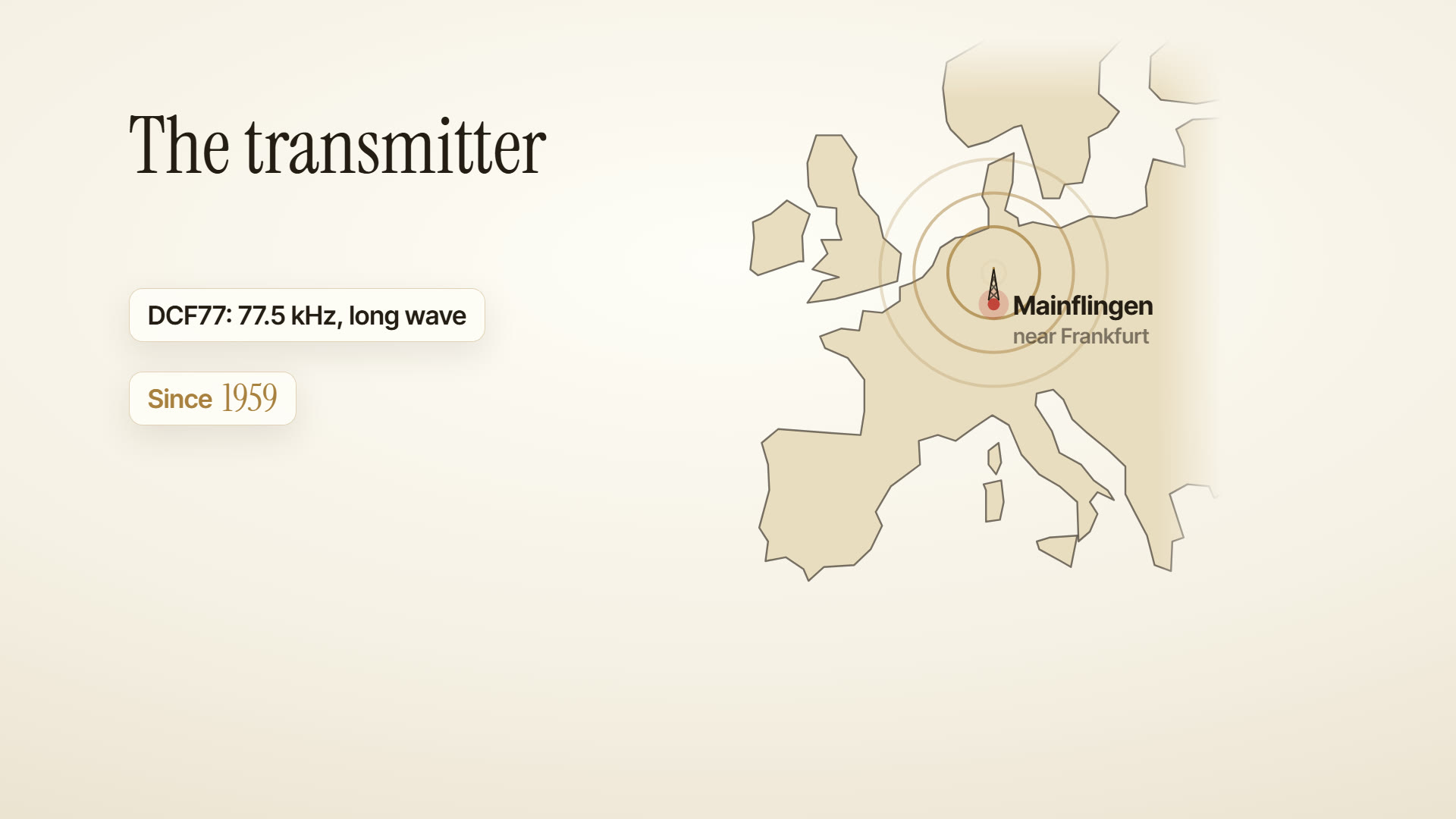
How does a radio-controlled watch work? The video guide
 ▶ 2:20
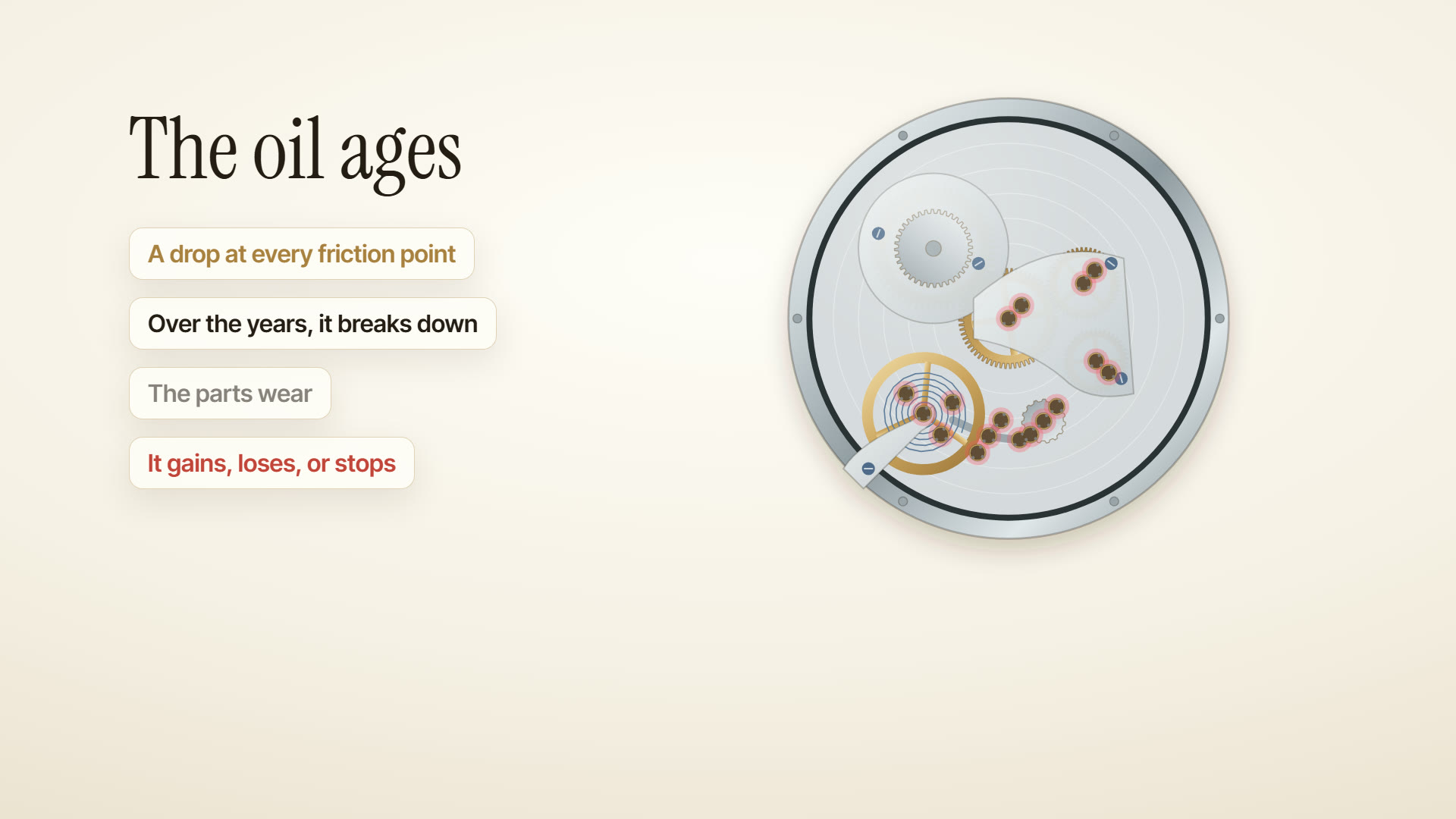
Should you service a watch that runs fine? The video guide
 ▶ 2:25
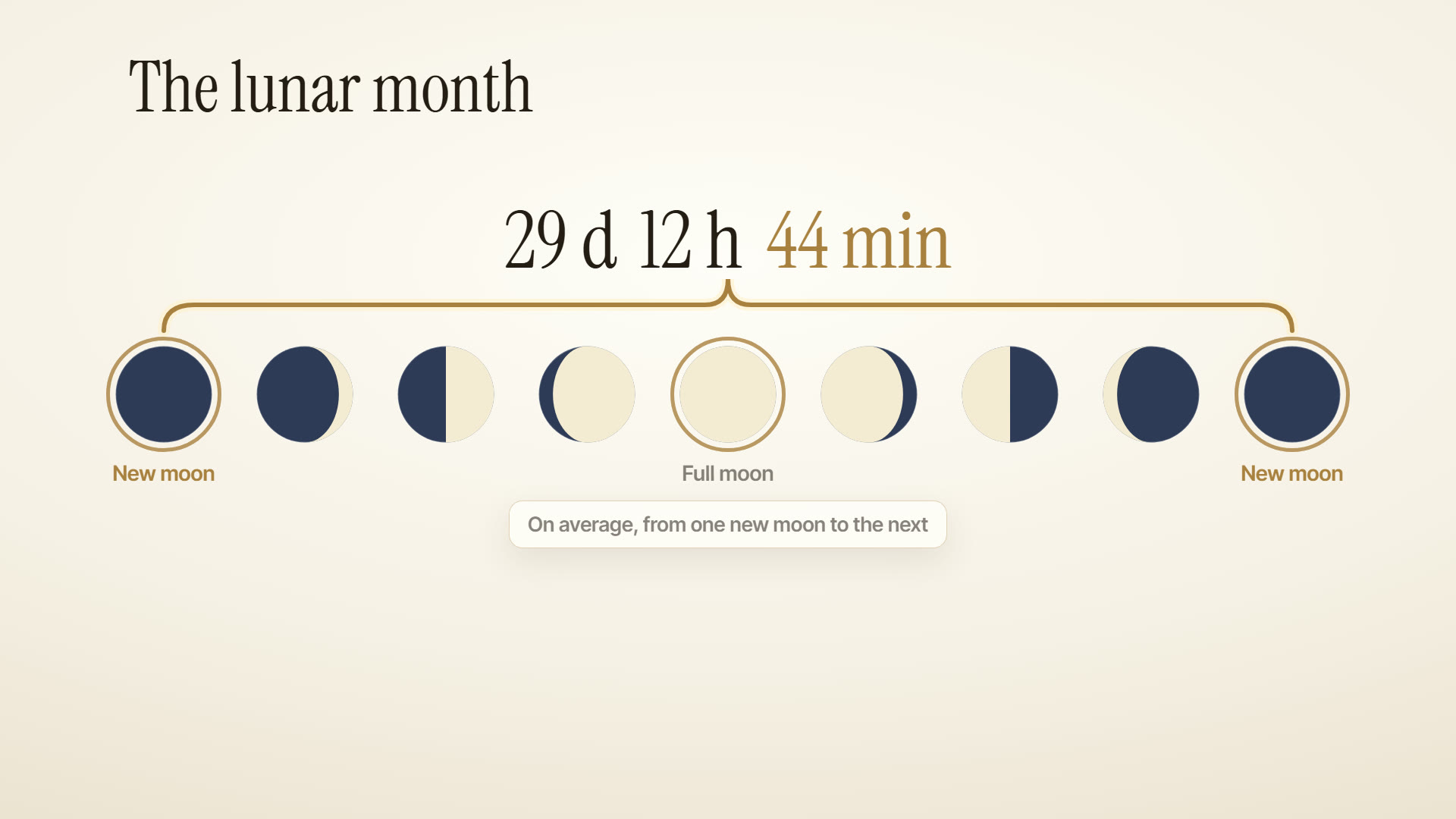
Moon phase: how do you read and set it? The video guide
 ▶ 2:22
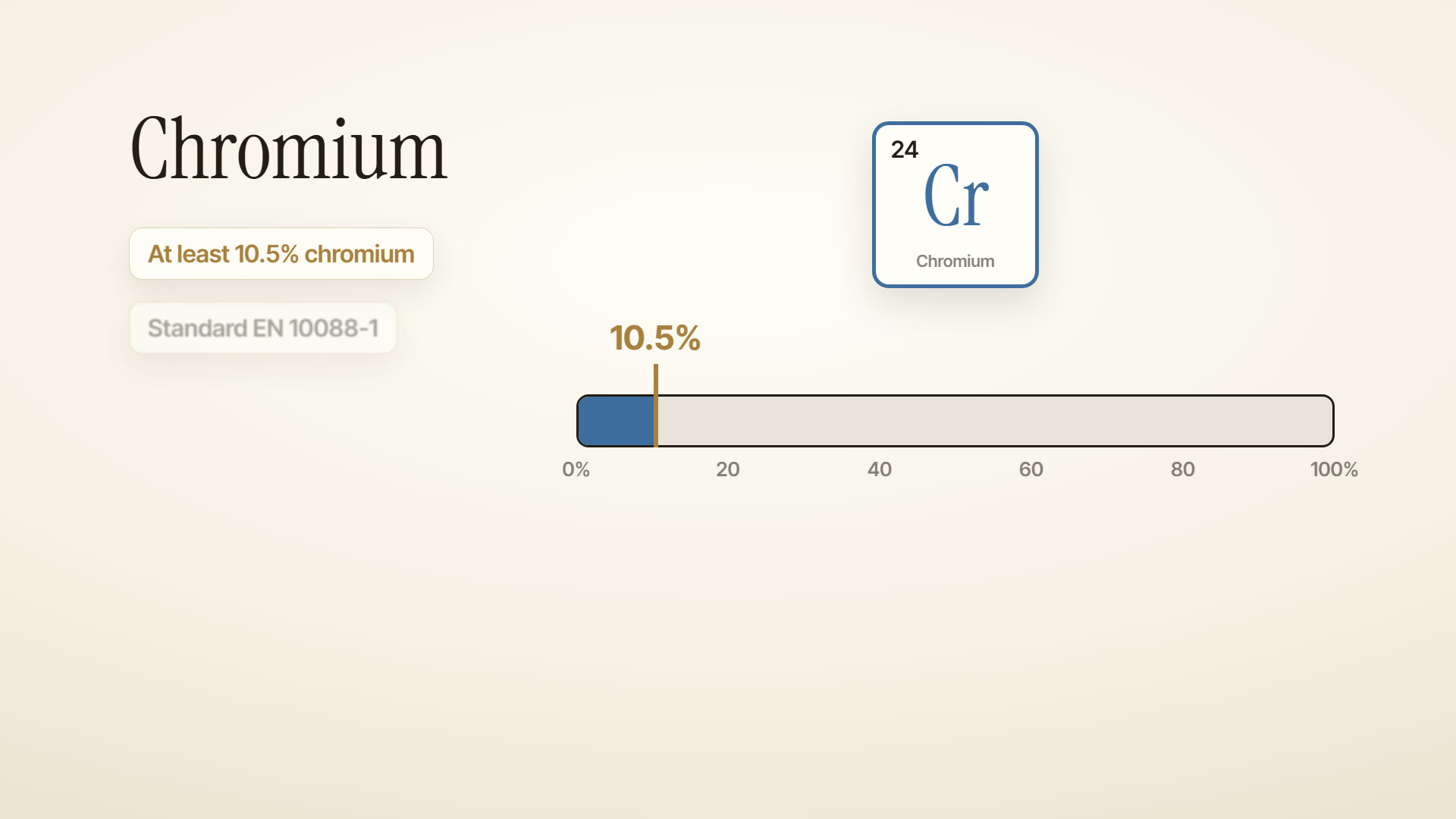
Why does a steel watch not rust? The video guide
 ▶ 2:20
Why does the watch date change before midnight? The video guide
 ▶ 2:13