
Solar watch: how do you charge it? The video guide
The video guide · 2:21
Chapters
Transcript
A solar watch never needs a battery. And yet it can stop: what it is missing is not a battery, it is light. Its dial lets part of the light through. Just underneath, a solar cell turns that light into electricity. That electricity fills a rechargeable cell. It is not a battery, and it does not need replacing every two or three years. Manufacturers even forbid fitting an ordinary battery in its place: it could overheat, and burst. Fully charged, it keeps going in the dark for anything from two months to about a year, depending on the model. Some go into standby: the hands stop, but the time is still kept inside, and back in the light they return to the correct time. When the reserve runs low, the seconds hand jumps in two-second steps. On a battery quartz watch, that sign means the battery is running out. Here, it means: light, quickly. The watch will stop within a few days. Nothing beats direct sunlight. On a typical model, two minutes of full summer sun give a day of running; under office lighting, it takes nearly two hours. A full charge takes hours of full sun. Watch out for heat: never on a car dashboard, never right up against a halogen lamp. According to the manuals, above fifty to sixty degrees Celsius, the watch can suffer. Overcharging, on the other hand, does not exist. A good habit: no drawers, but a windowsill when you are not wearing it. Under a long sleeve, it charges poorly. And the cell lasts for years, often around ten, before it is replaced in a workshop. Discover a whole selection of watches at Montres Outlet.
More video guides
 ▶ 2:28
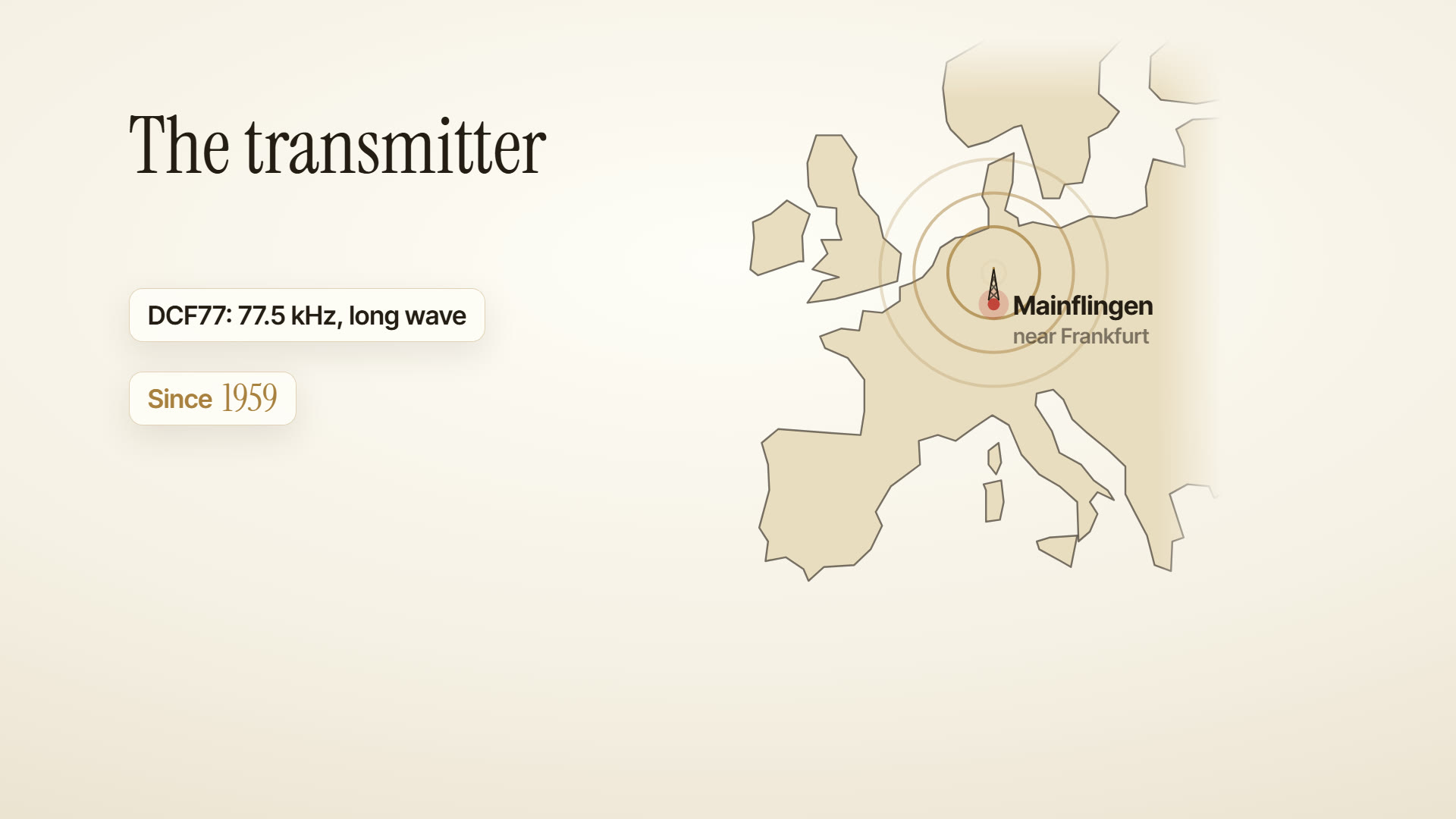
How does a radio-controlled watch work? The video guide
 ▶ 2:20
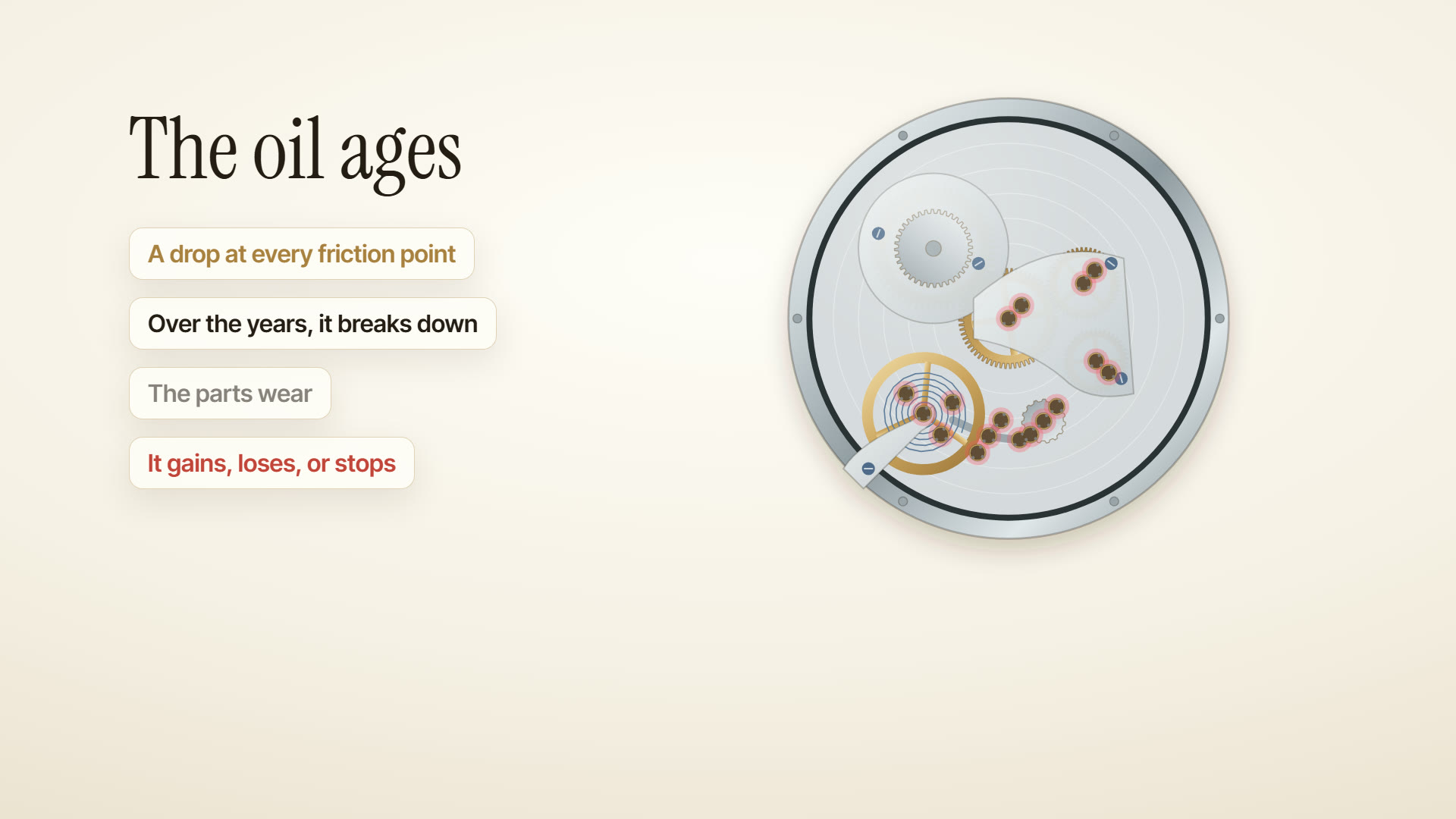
Should you service a watch that runs fine? The video guide
 ▶ 2:25
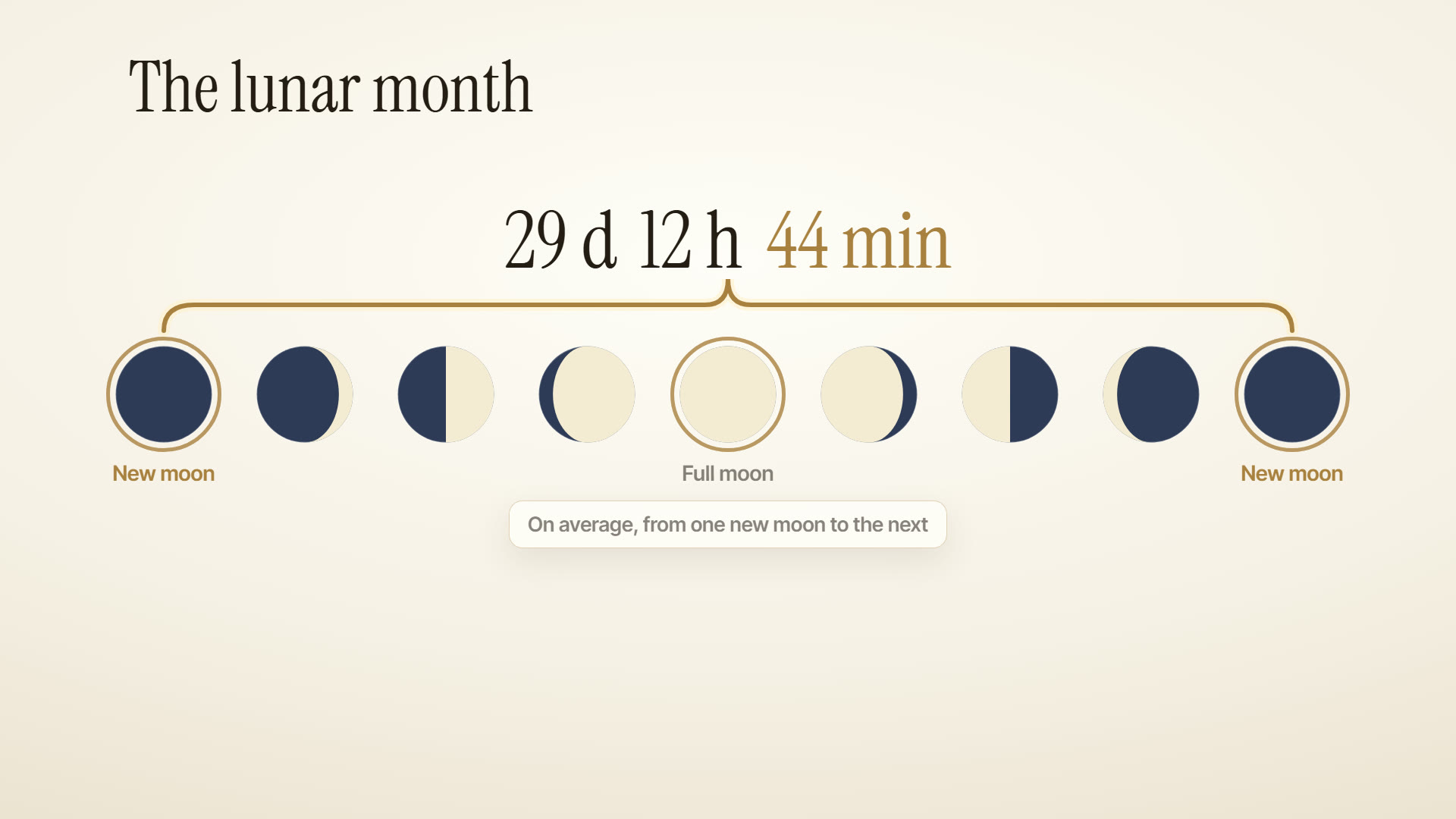
Moon phase: how do you read and set it? The video guide
 ▶ 2:22
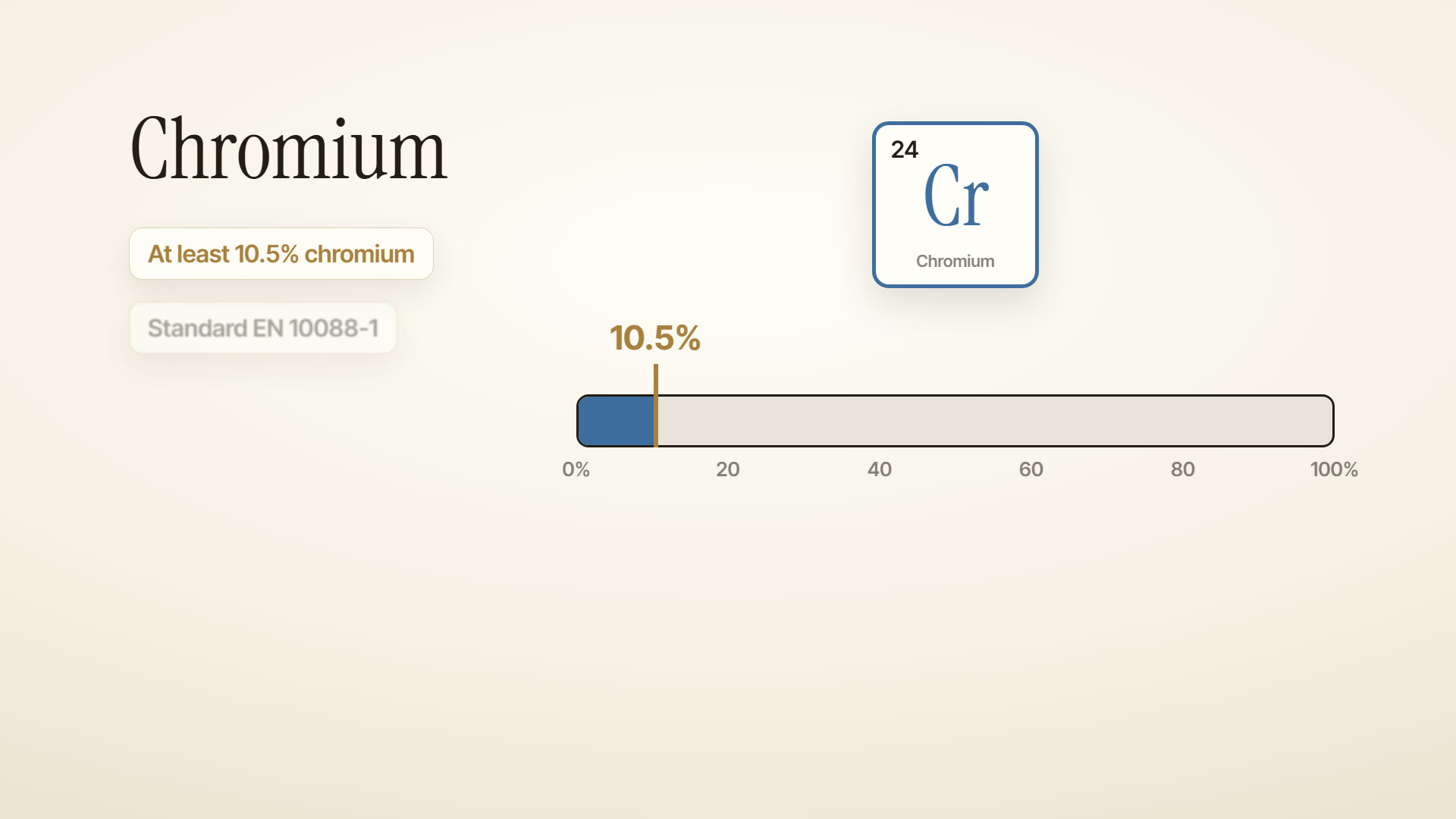
Why does a steel watch not rust? The video guide
 ▶ 2:20
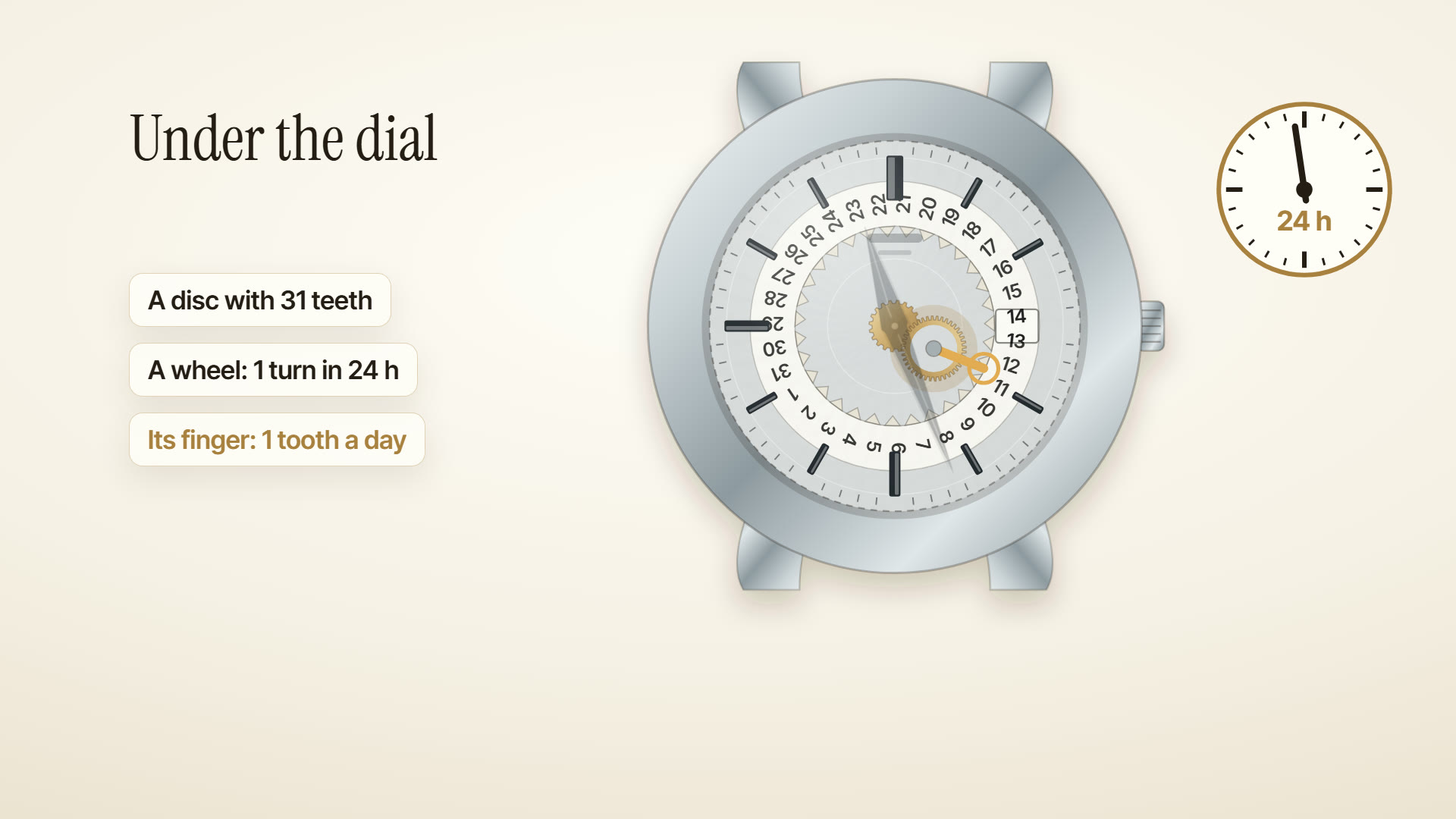
Why does the watch date change before midnight? The video guide
 ▶ 2:13