
How do you read a GMT watch? The video guide
The video guide · 2:24
Chapters
Transcript
A fourth hand, often arrow-tipped, that goes round the dial in twenty-four hours instead of twelve. That is the GMT hand: it gives you the time in a second country. GMT stands for Greenwich Mean Time, the time on the Greenwich meridian. Inside the watch, a pinion turns this hand half as fast as the hour hand. To read it, look at the twenty-four-hour scale, on the inner ring or on the bezel. If the hand points to fifteen, it is three in the afternoon over there, not three in the morning. The minutes are the same everywhere, except in the few countries offset by half an hour, such as India. A third time zone? The bezel, marked in twenty-four hours, often turns both ways. Turn it by the number of hours between you and a third city: the GMT hand then reads that third time. On a so-called traveller GMT, it is the hour hand that jumps, one hour at a time, forwards or backwards. The watch keeps running, and the GMT hand keeps your home time. As a rule, the date follows the local time. On a so-called office GMT, it is the other way round: the GMT hand is set on its own, and the local time does not move. Handy for keeping track, from home, of a client or a relative abroad. Which one do you have? The manual will tell you. Otherwise, pull the crown out one step and turn it gently: if the hour hand jumps, it is a traveller; if the GMT hand jumps, an office GMT. Do it during the day, as you would for the date. Before you leave, set the GMT hand to your home time. Once there, one look at the twenty-four-hour scale tells you whether you can call home without waking anyone. Discover a whole selection of watches at Montres Outlet.
More video guides
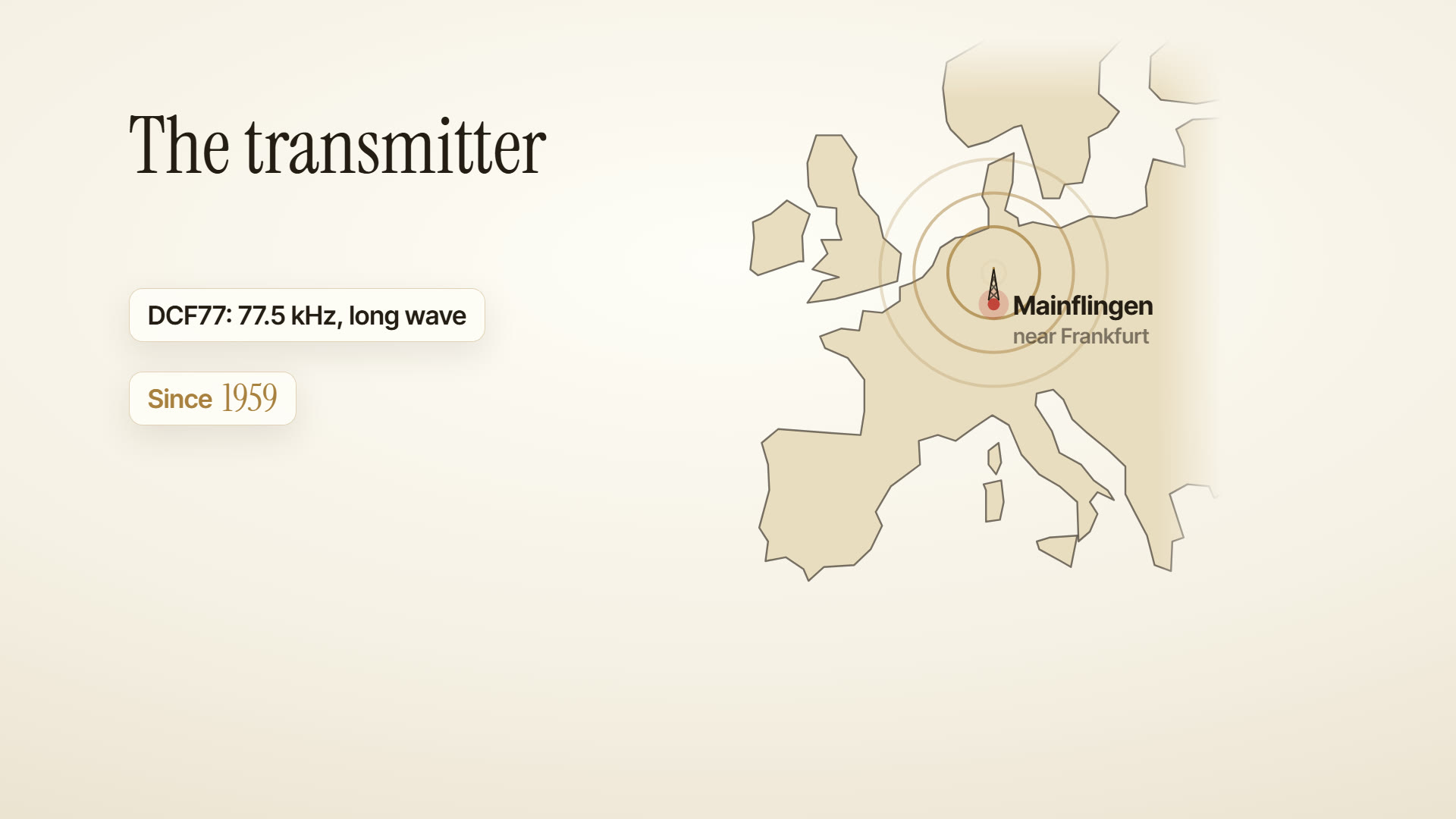 ▶ 2:28
How does a radio-controlled watch work? The video guide
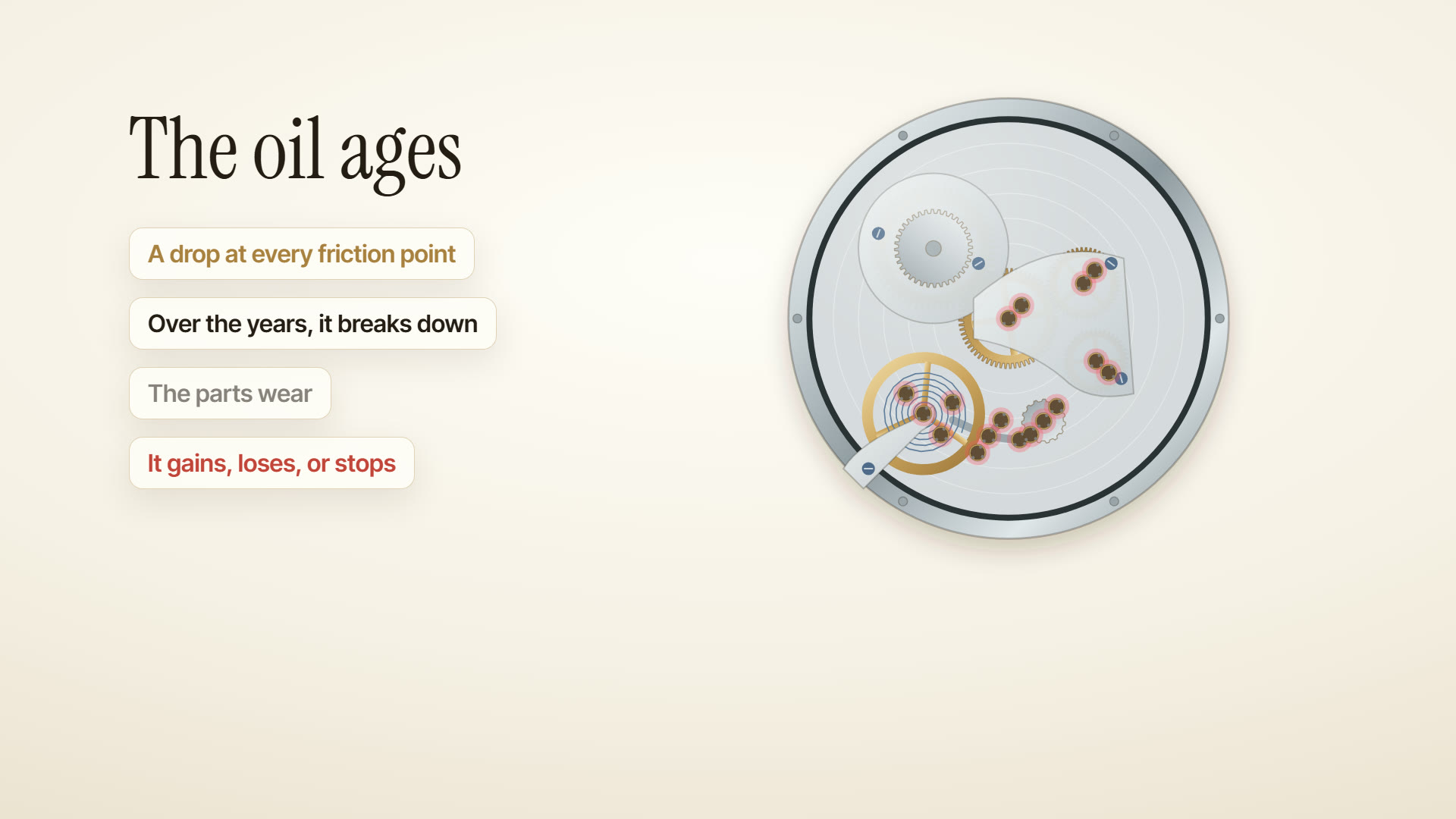 ▶ 2:20
Should you service a watch that runs fine? The video guide
 ▶ 2:25
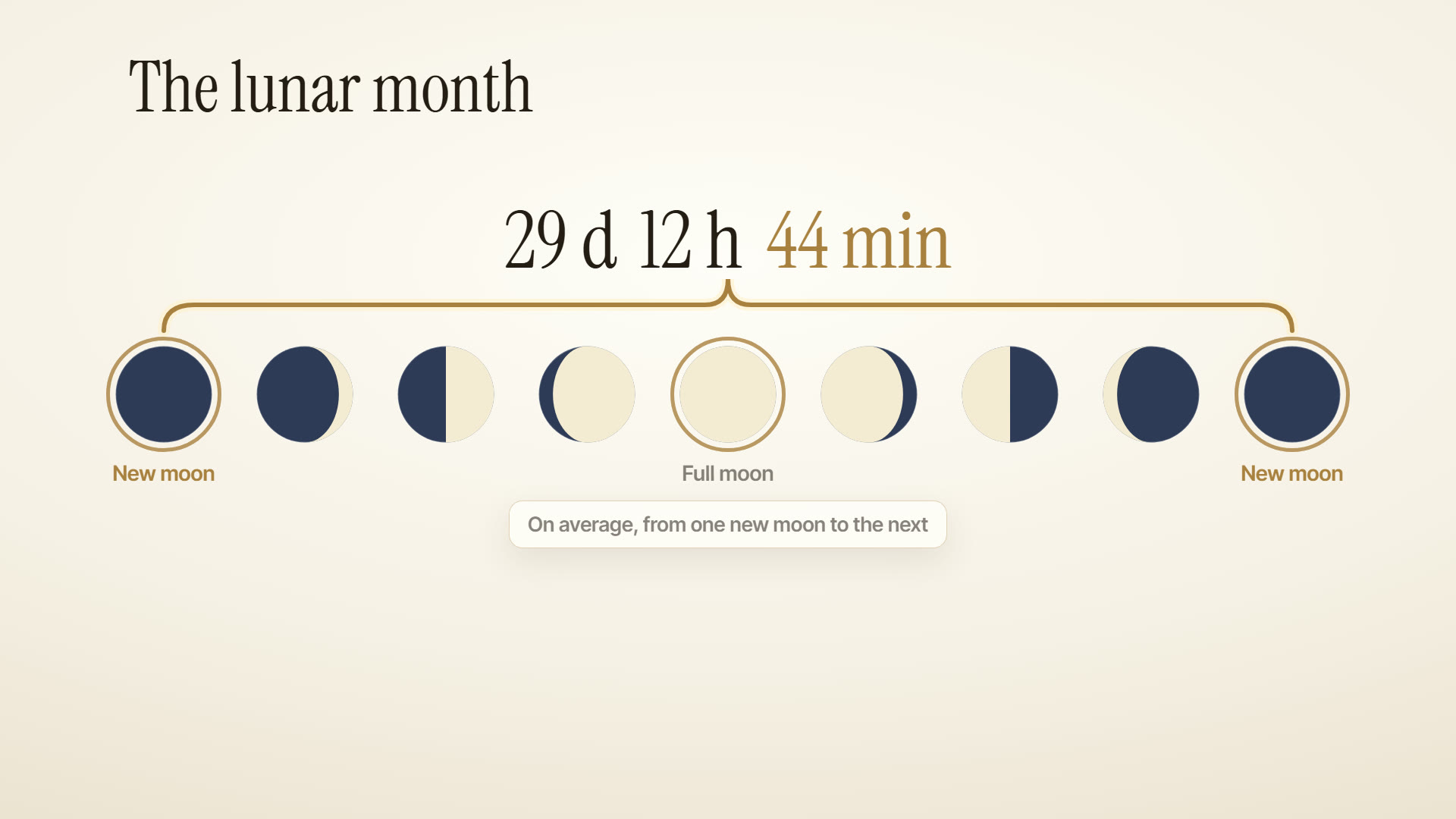
Moon phase: how do you read and set it? The video guide
 ▶ 2:22
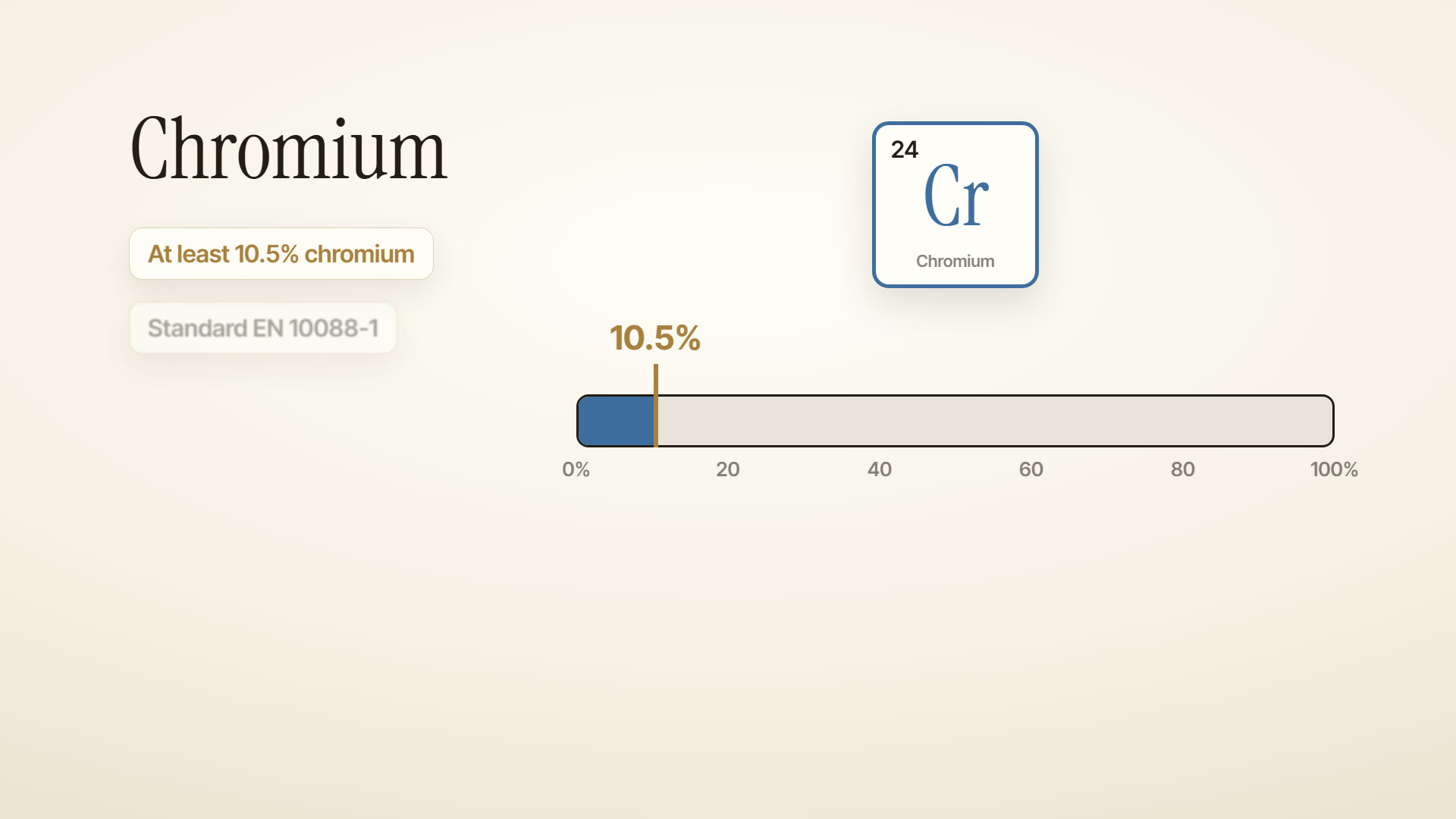
Why does a steel watch not rust? The video guide
 ▶ 2:20
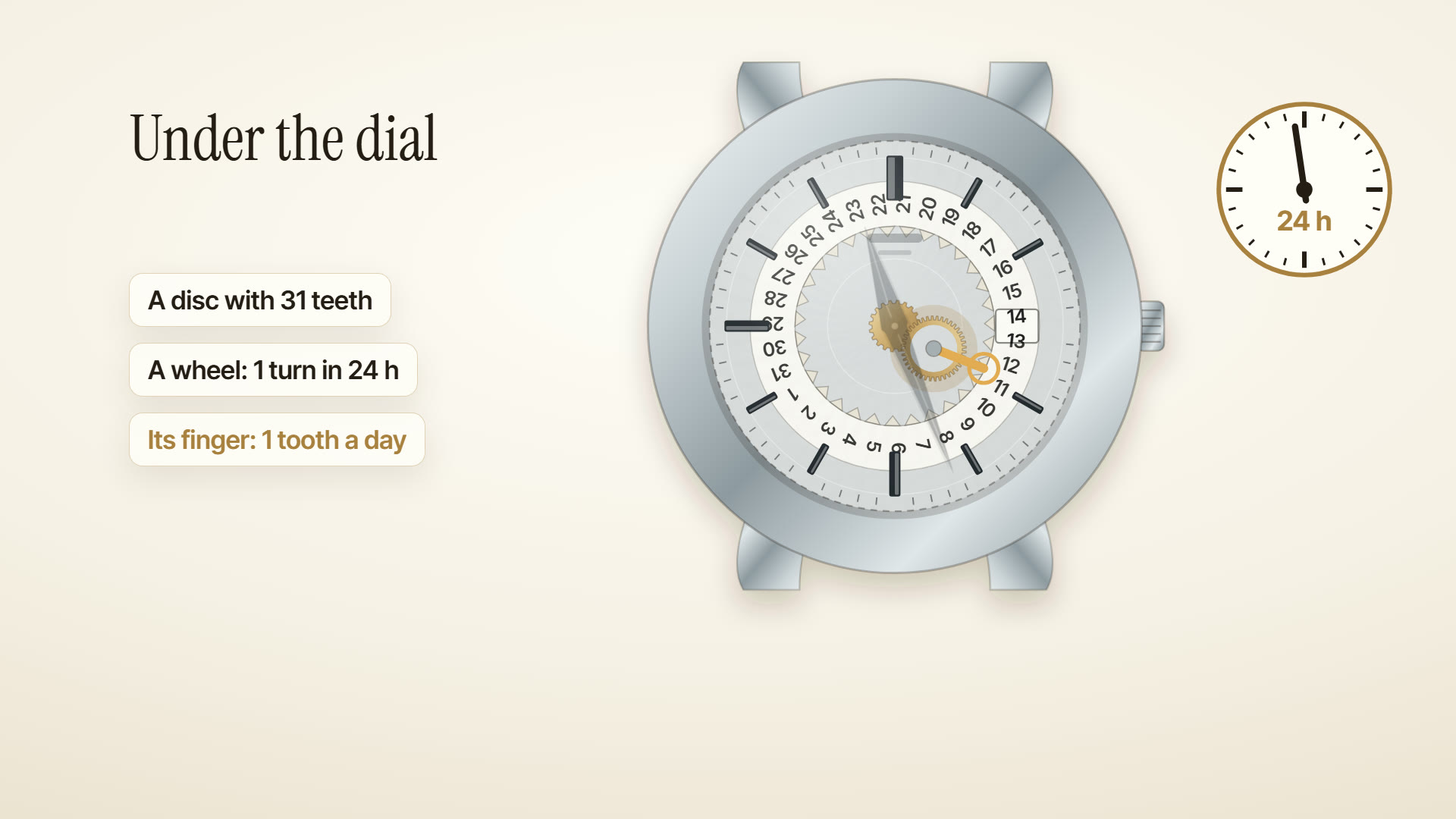
Why does the watch date change before midnight? The video guide
 ▶ 2:13