
How do you use a chronograph? The video guide
The video guide · 2:21
Chapters
Transcript
On your chronograph, the large seconds hand stays still? The watch has not stopped. That hand is simply waiting for you to start the chronograph. Before you time anything, check that it is exactly at zero, right on the twelve, and the small subdials too. If not, press the lower pusher. The upper pusher, usually at about two o'clock, starts the chronograph. Press it again to stop it. You read the time, then the lower pusher, at about four o'clock, sends everything back to zero. Remember the order: start, stop, read, then reset. The lower pusher is used after stopping, not during the timing. On some quartz models, it even freezes an intermediate time without stopping the count. You can also add times together. Start, stop, then start again: the chronograph carries on from where it stopped, and keeps the total. The reset comes only at the end. To read the result: the large hand gives the seconds. One small subdial adds up the minutes, often up to thirty, another the hours, often up to twelve. Twelve on the minutes subdial, thirty-five in the centre: twelve minutes and thirty-five seconds. And that small dial that keeps turning, even with the chronograph stopped? That is the small seconds: the seconds hand of the time of day. It does not depend on the pushers and never goes back to zero. On many quartz models, another subdial shows tenths of a second. One last habit: never press the pushers under water, even if your watch is water-resistant. Start the chronograph before you go in, and stop it when you come out. Discover a whole selection of watches at Montres Outlet.
More video guides
 ▶ 2:28
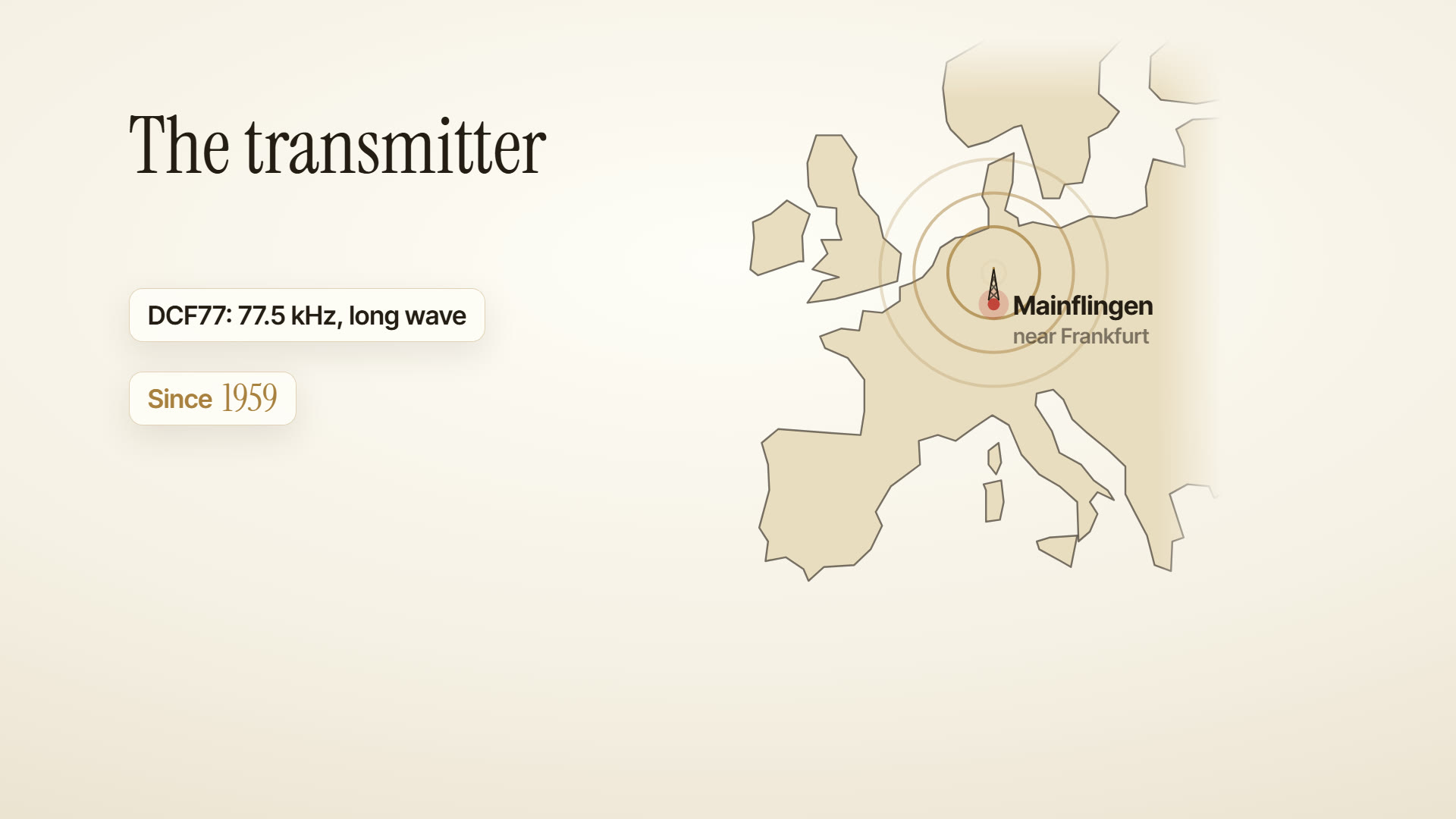
How does a radio-controlled watch work? The video guide
 ▶ 2:20
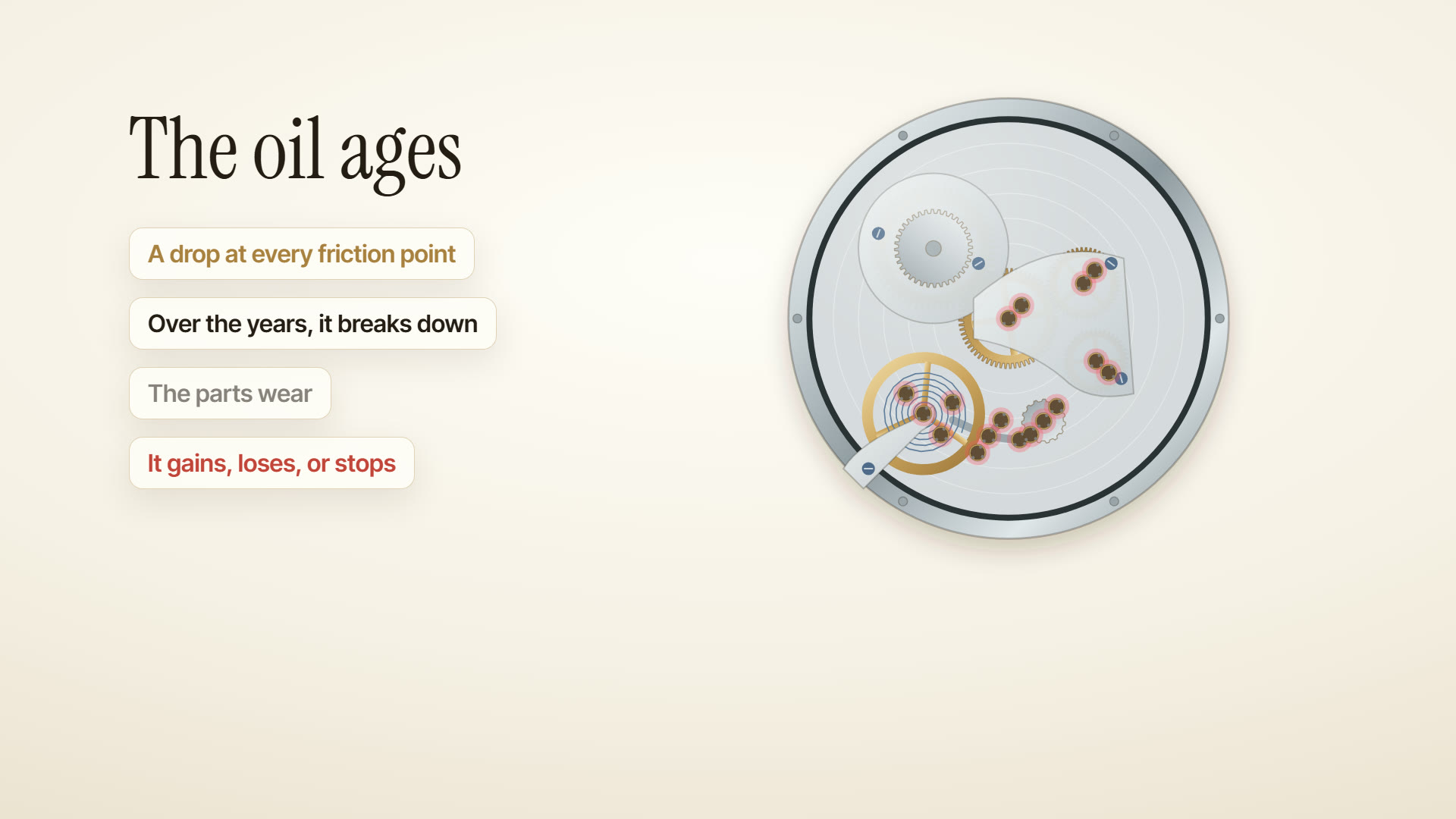
Should you service a watch that runs fine? The video guide
 ▶ 2:25
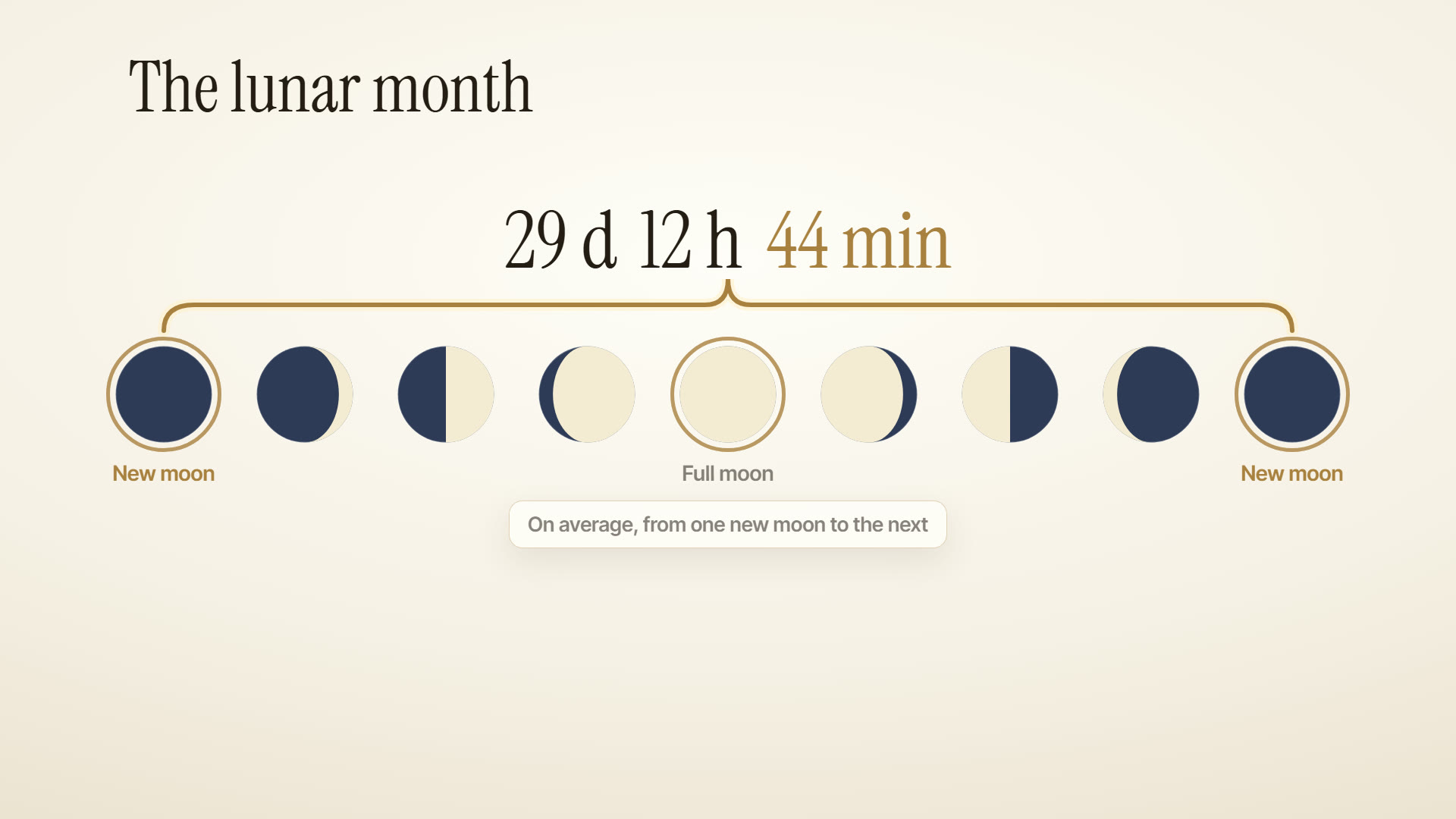
Moon phase: how do you read and set it? The video guide
 ▶ 2:22
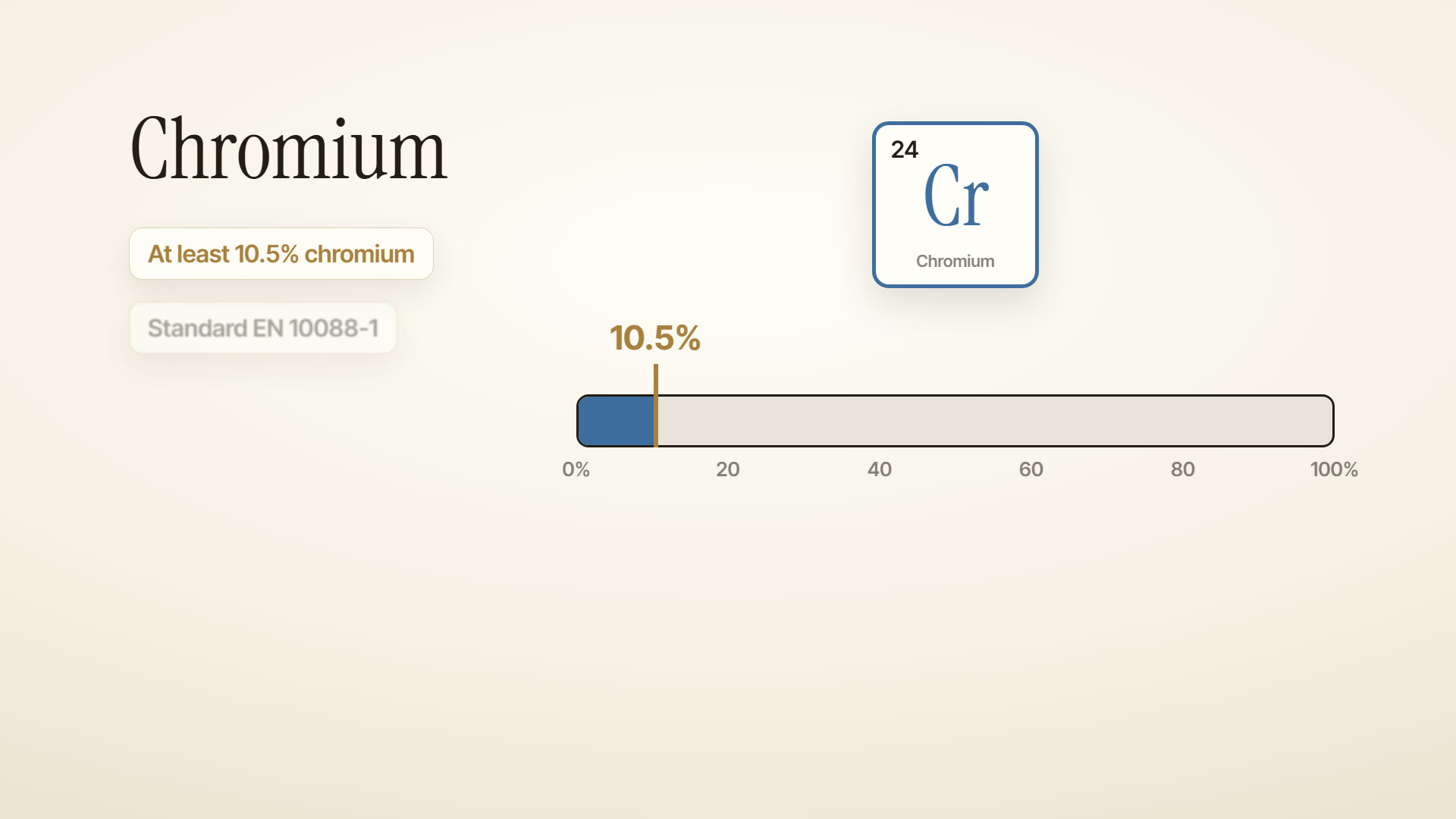
Why does a steel watch not rust? The video guide
 ▶ 2:20
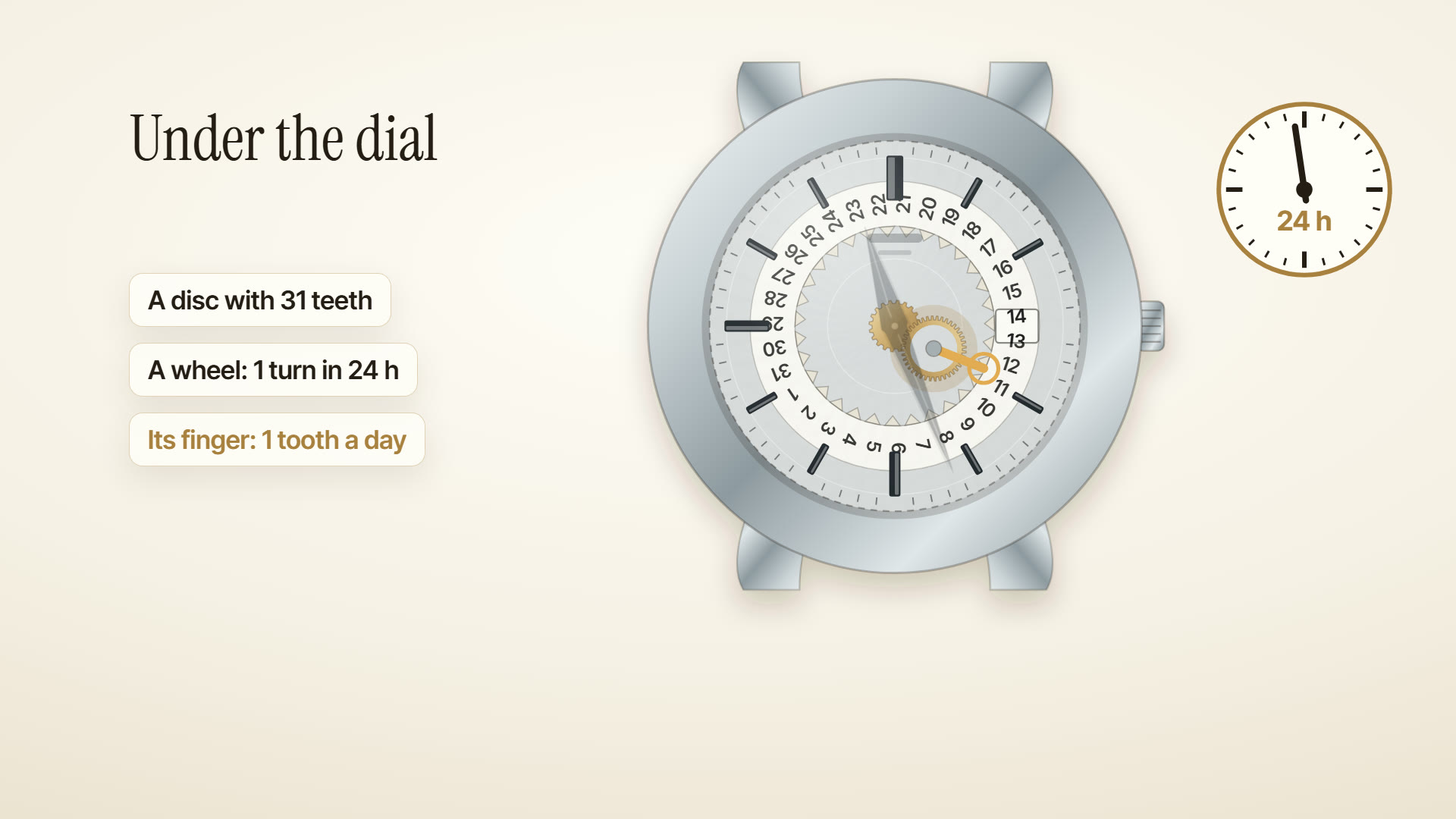
Why does the watch date change before midnight? The video guide
 ▶ 2:13