
Screw-down crown: how do you use it? The video guide
The video guide · 2:26
Chapters
Transcript
On some watches, the crown will not pull out. That is not a fault: it is screwed down. And that small thread protects the whole movement. The crown is an opening in the case, with the stem of the mechanism running through it. On a screw-down crown, a small threaded tube sticks out of the case. Screwing the crown onto it squeezes a seal, which closes that opening. That is how the water-resistance standard tests them: with the crown screwed down. The ATM on the back are a test pressure, reached with the crown closed. Unscrewed by a quarter turn, the watch is already no longer water-resistant. To set the time, unscrew it first. Turn the crown towards you, until it comes free of the case. Only then pull it out to the usual positions. To close it again, push it back against the case, and keep that pressure while you screw it the other way. The thread has to catch straight: if it resists from the very first turn, back off. Screw it down until it stops, firmly, without forcing. The real danger is forgetting. An unscrewed crown is barely noticeable: it sticks out only slightly. And in the water, nothing stops it. Make it a habit: screw it back down before the watch goes back on your wrist. Another rule: never touch the crown when the watch is wet, let alone under water. Unscrewing it means opening the door. And after the sea, a rinse in fresh water, with the crown screwed down tight. The idea is not new: as early as nineteen twenty-five, a Swiss patent describes a crown that screws onto the case. You find it mostly on dive watches and highly water-resistant watches. Discover a whole selection of watches at Montres Outlet.
More video guides
 ▶ 2:28
How does a radio-controlled watch work? The video guide
 ▶ 2:20
Should you service a watch that runs fine? The video guide
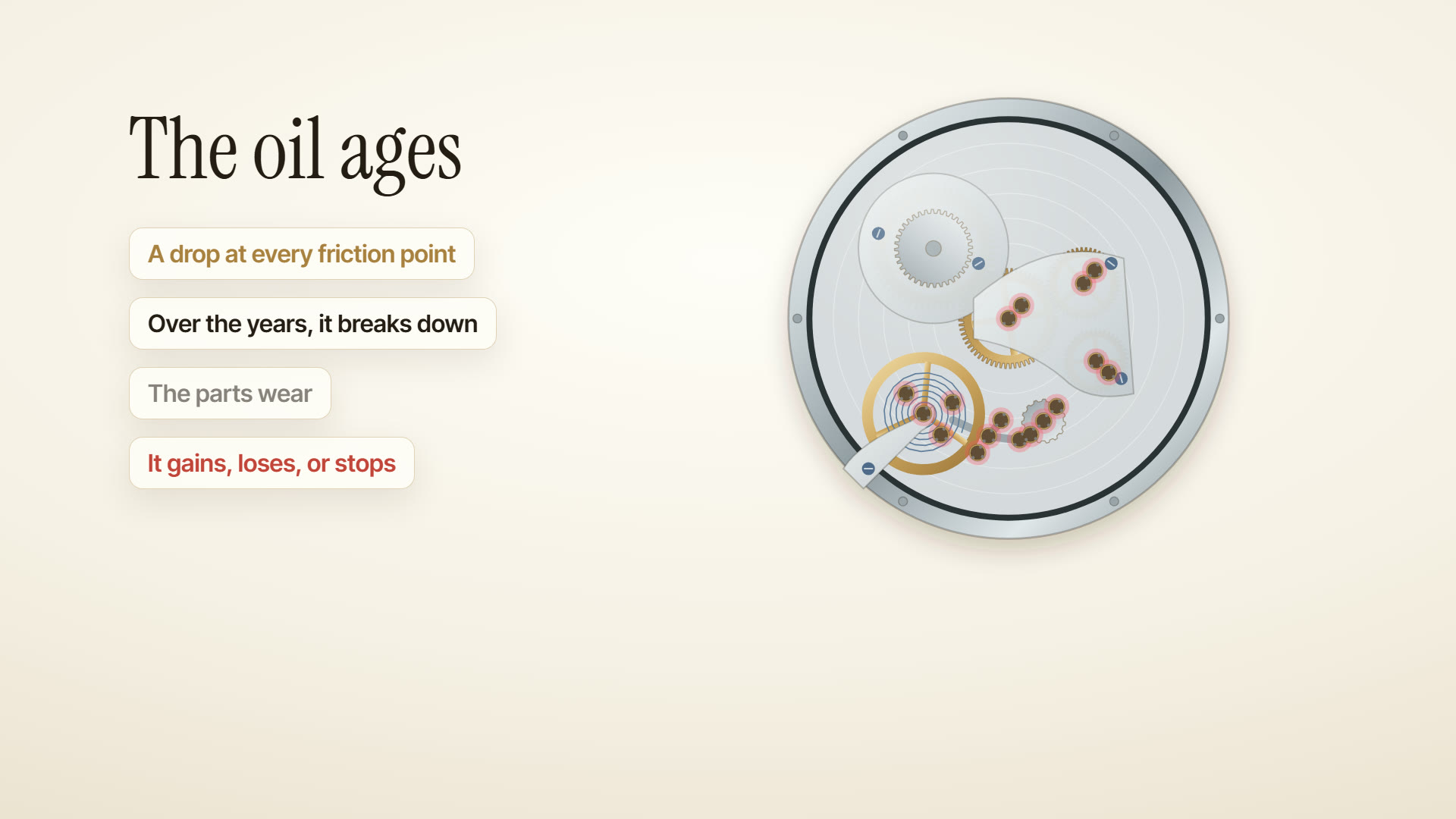
 ▶ 2:25
Moon phase: how do you read and set it? The video guide
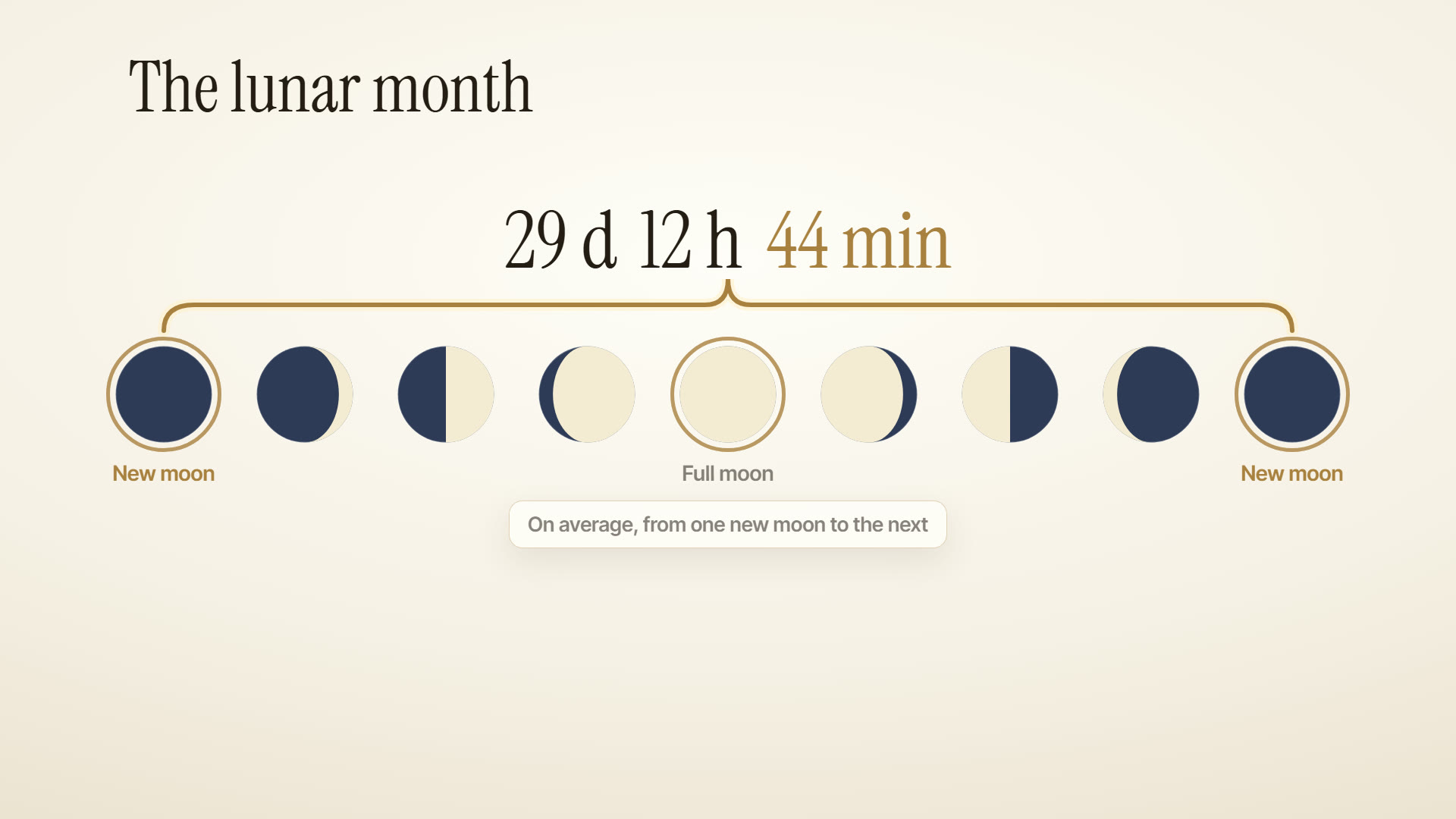
 ▶ 2:22
Why does a steel watch not rust? The video guide
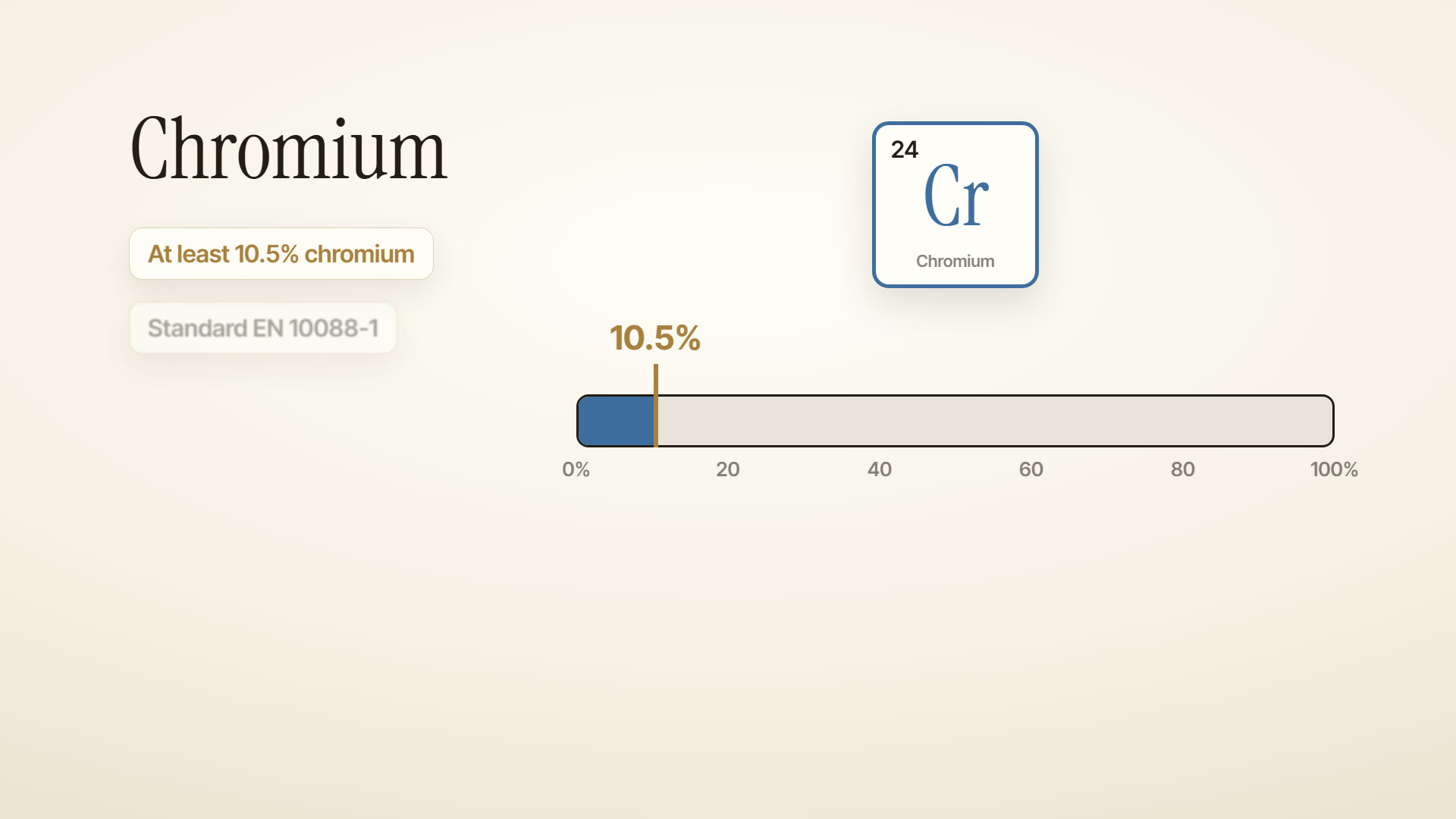
 ▶ 2:20
Why does the watch date change before midnight? The video guide
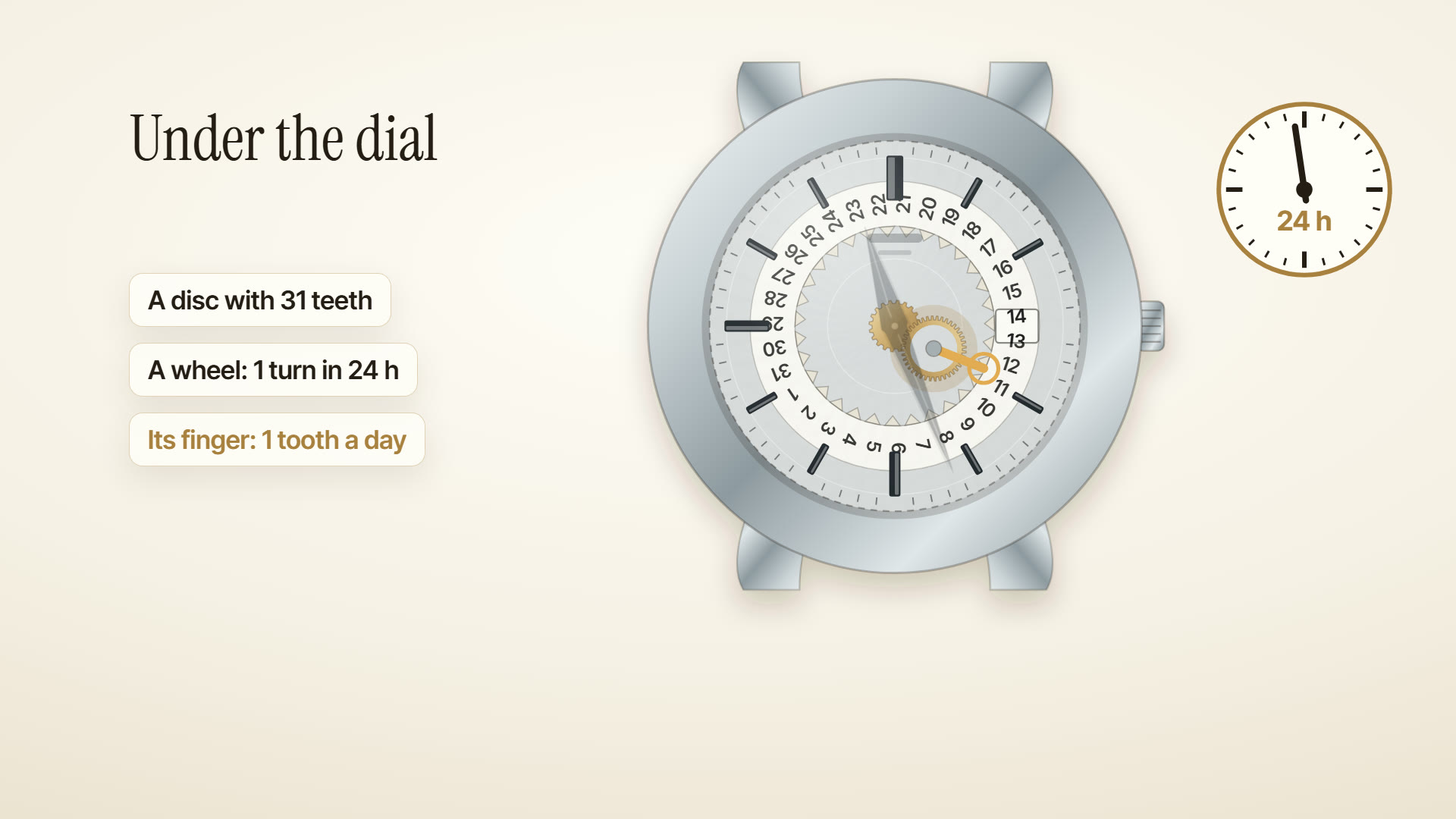
 ▶ 2:13