
Titanium or steel: which watch to choose? The video guide
The video guide · 2:09
Chapters
Transcript
Titanium or steel? Side by side, two grey watches can look alike. On the wrist, you feel the difference straight away. Titanium is almost half the weight. A cubic centimetre of steel weighs about eight grams; the same volume of titanium, about four and a half. But a watch is more than its case: the movement, the crystal and the dial weigh the same either way. You notice the gain most on a large watch, with a bracelet in the same metal. When it comes to scratches, untreated titanium is less at ease: laboratory studies describe it as having poor abrasion resistance. That is why some titanium cases are given a treatment that hardens their surface. Titanium, for its part, contains no nickel. That is a real argument: in Europe, about one person in seven is allergic to nickel. Three-sixteen L steel, on the other hand, does contain it. But it holds on to it very well. In the laboratory, it releases far less than the limit European law sets for watches. And in one study, fifty people allergic to nickel tested it on their skin, with no reaction at all. Then there is the colour. Titanium is greyer and darker, often brushed or matt. Polished steel is lighter, and shinier. To sum up: titanium is light and nickel-free; steel is shinier, and wears more slowly than untreated titanium. Neither is better in absolute terms: it all depends on your wrist and your habits. Discover a whole selection of watches at Montres Outlet.
More video guides
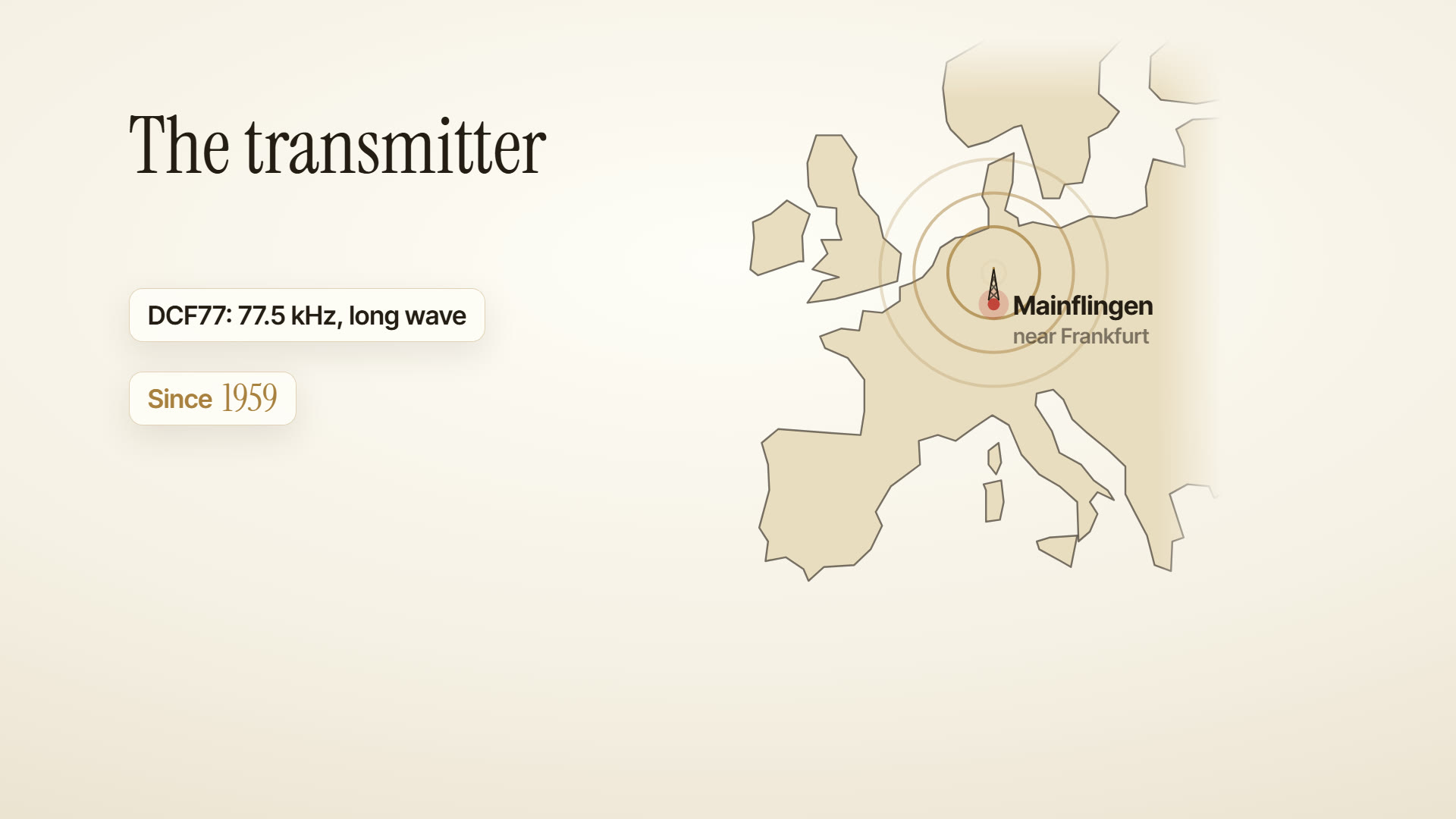 ▶ 2:28
How does a radio-controlled watch work? The video guide
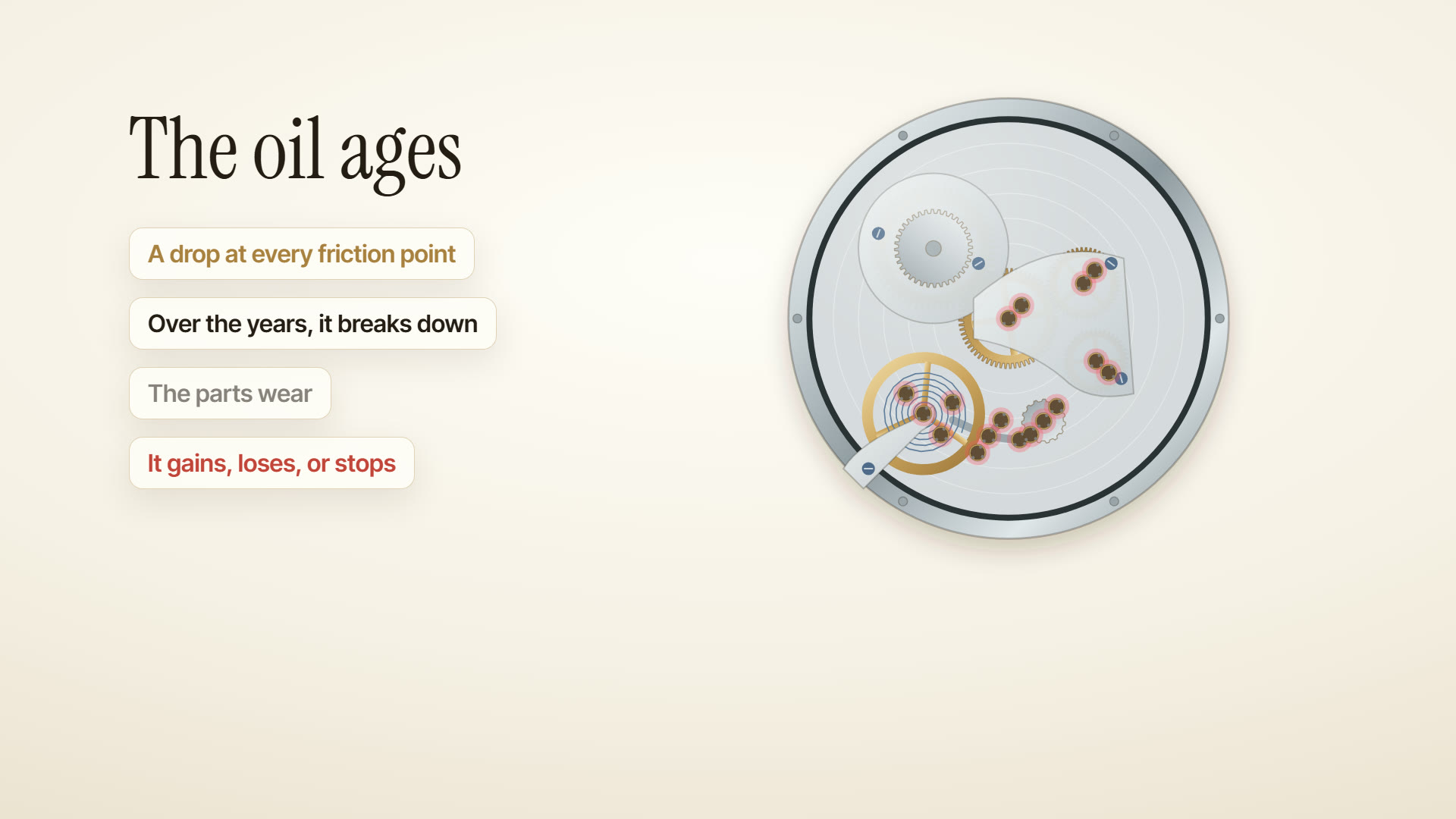 ▶ 2:20
Should you service a watch that runs fine? The video guide
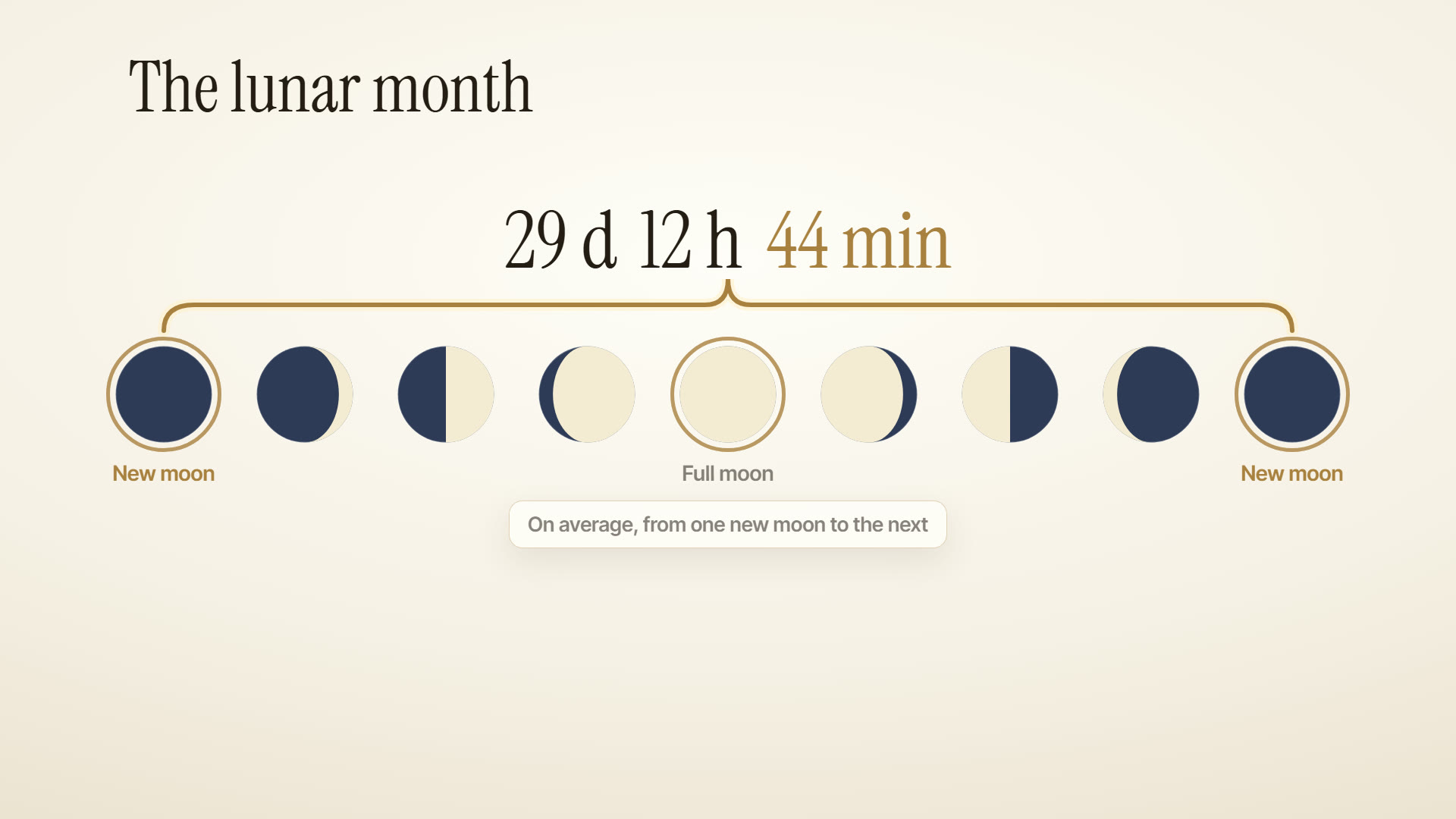 ▶ 2:25
Moon phase: how do you read and set it? The video guide
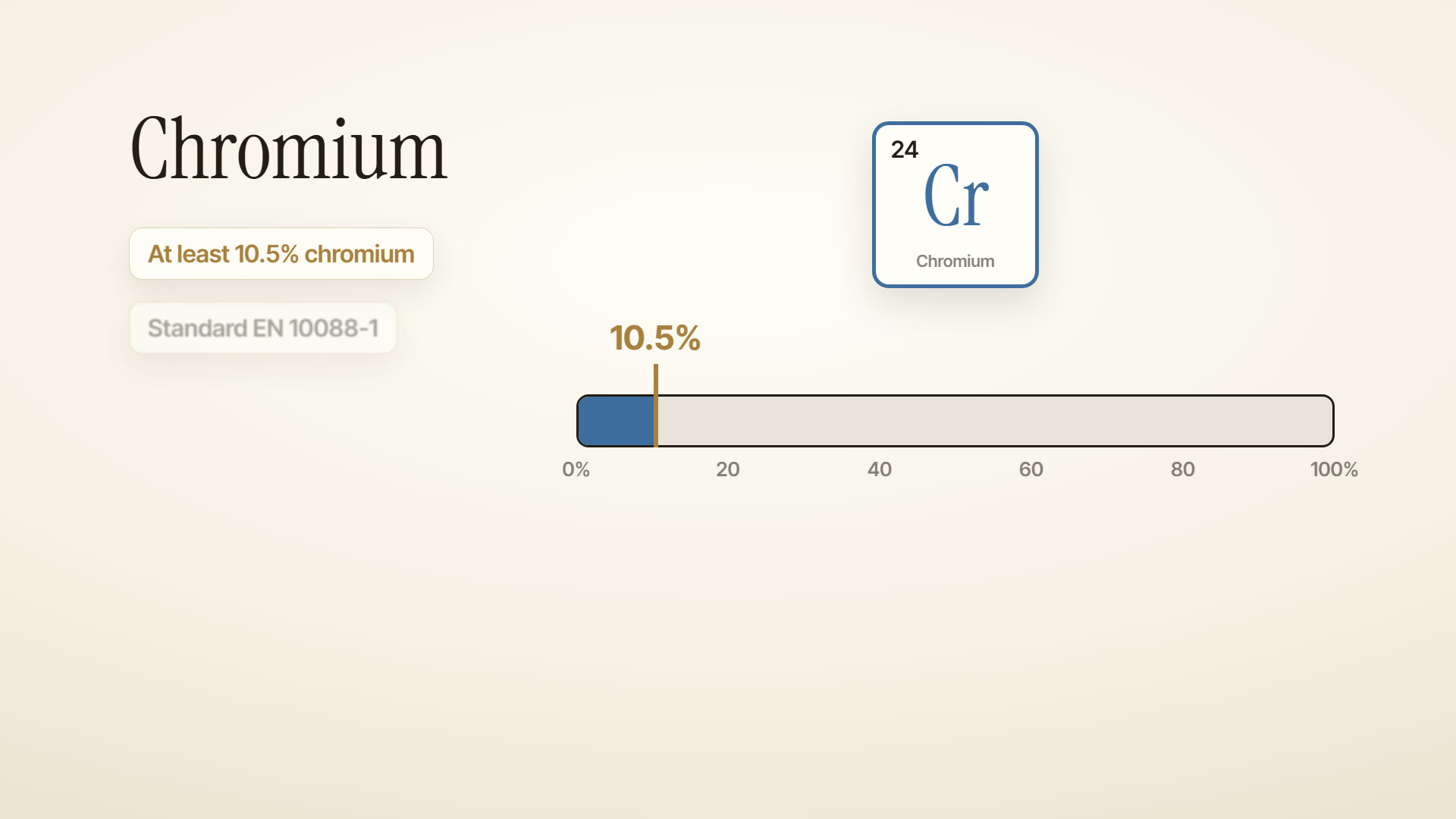 ▶ 2:22
Why does a steel watch not rust? The video guide
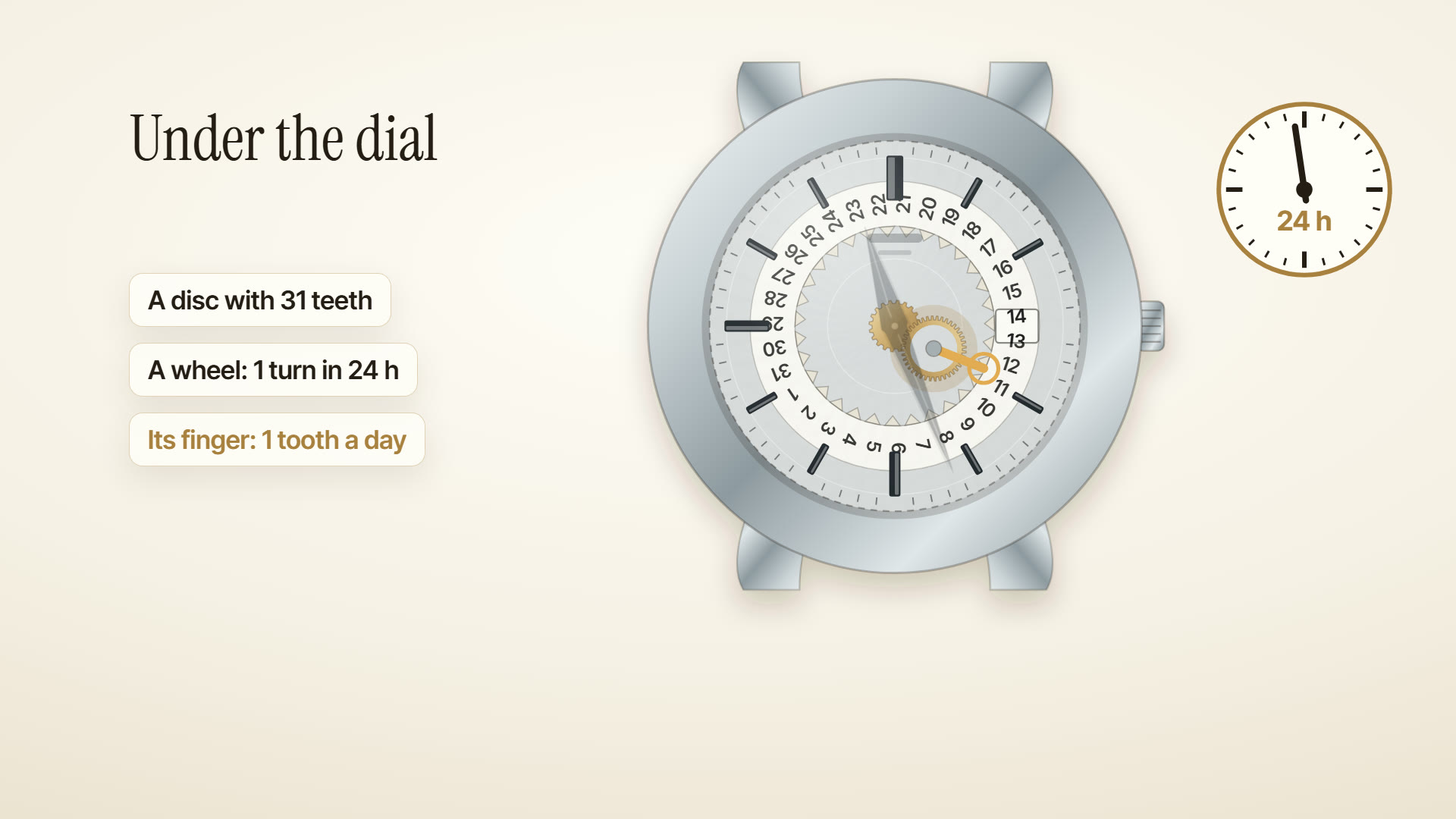 ▶ 2:20
Why does the watch date change before midnight? The video guide
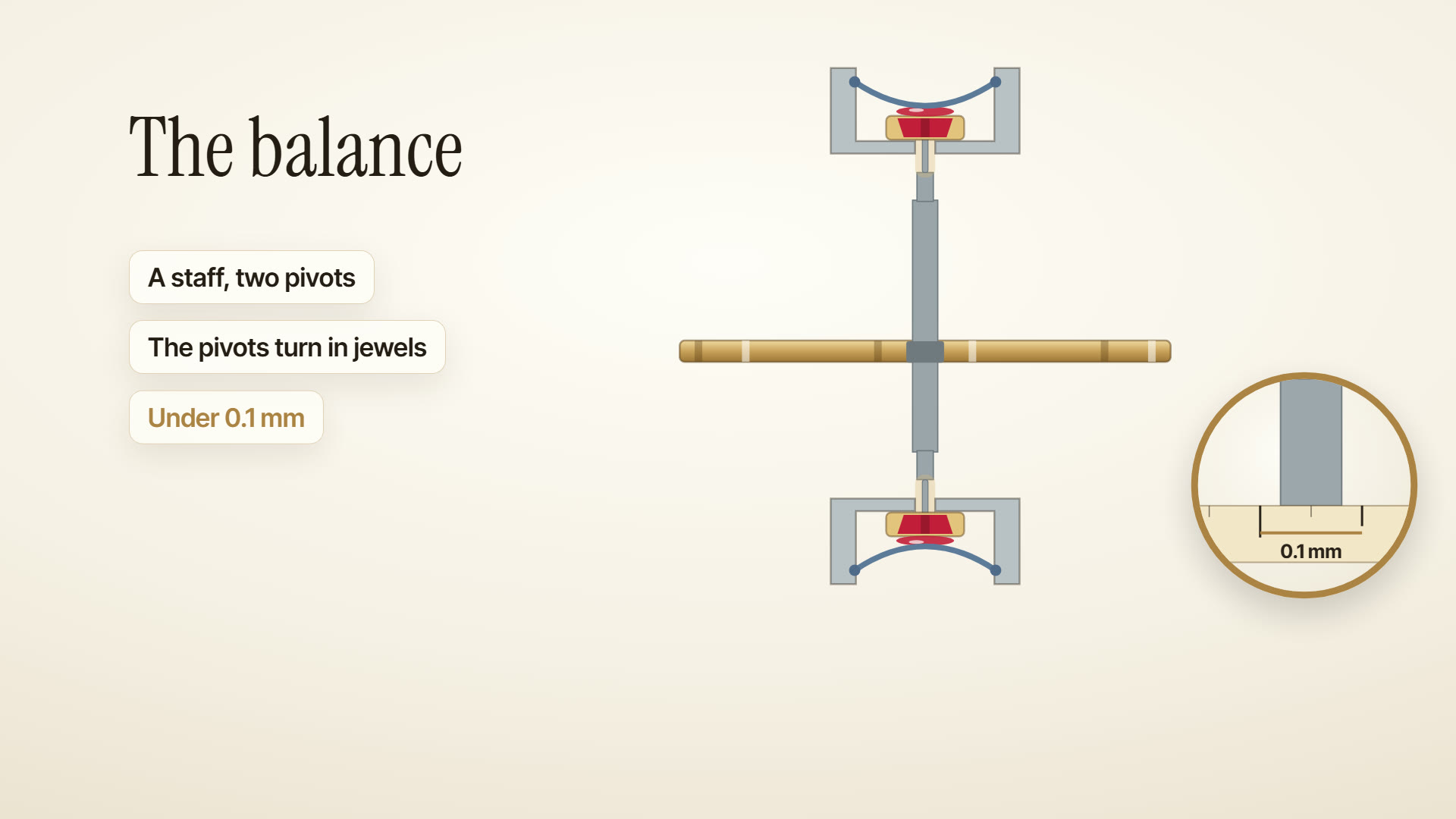 ▶ 2:13