
What does Swiss made really mean on a watch? The video guide
The video guide · 2:09
Chapters
Transcript
"Swiss made". Two words, on the dial or on the back. They look simple, but they follow a precise piece of legislation. It is a Swiss ordinance on watches. Its current version has applied since the first of January twenty seventeen. It sets several conditions, and every one of them must be met. First, at least sixty per cent of the watch's manufacturing cost must be generated in Switzerland. That means the cost of making it: packaging, transport, advertising and even the battery do not count. Next, the movement must be Swiss: assembled and inspected in Switzerland, with at least half the value of its parts made in Switzerland. It must be cased in Switzerland, and the manufacturer must carry out the final inspection there. Finally, the technical development, the engineering and the prototypes, must also take place in Switzerland. The design is not covered. A detail few people know: under the ordinance, the strap or bracelet is not part of the watch. It is left out of the calculation. What the label does not tell you is quality. It guarantees an origin and certain manufacturing steps, not precision or finish. Precision is a different certificate: the one for chronometers. Watch out for similar wording. "Swiss movement": the movement is Swiss, but the watch may have been cased elsewhere. "Swiss parts": a movement assembled outside Switzerland, from Swiss parts. That is not the same thing as "Swiss made". Discover a whole selection of watches at Montres Outlet.
More video guides
 ▶ 2:28
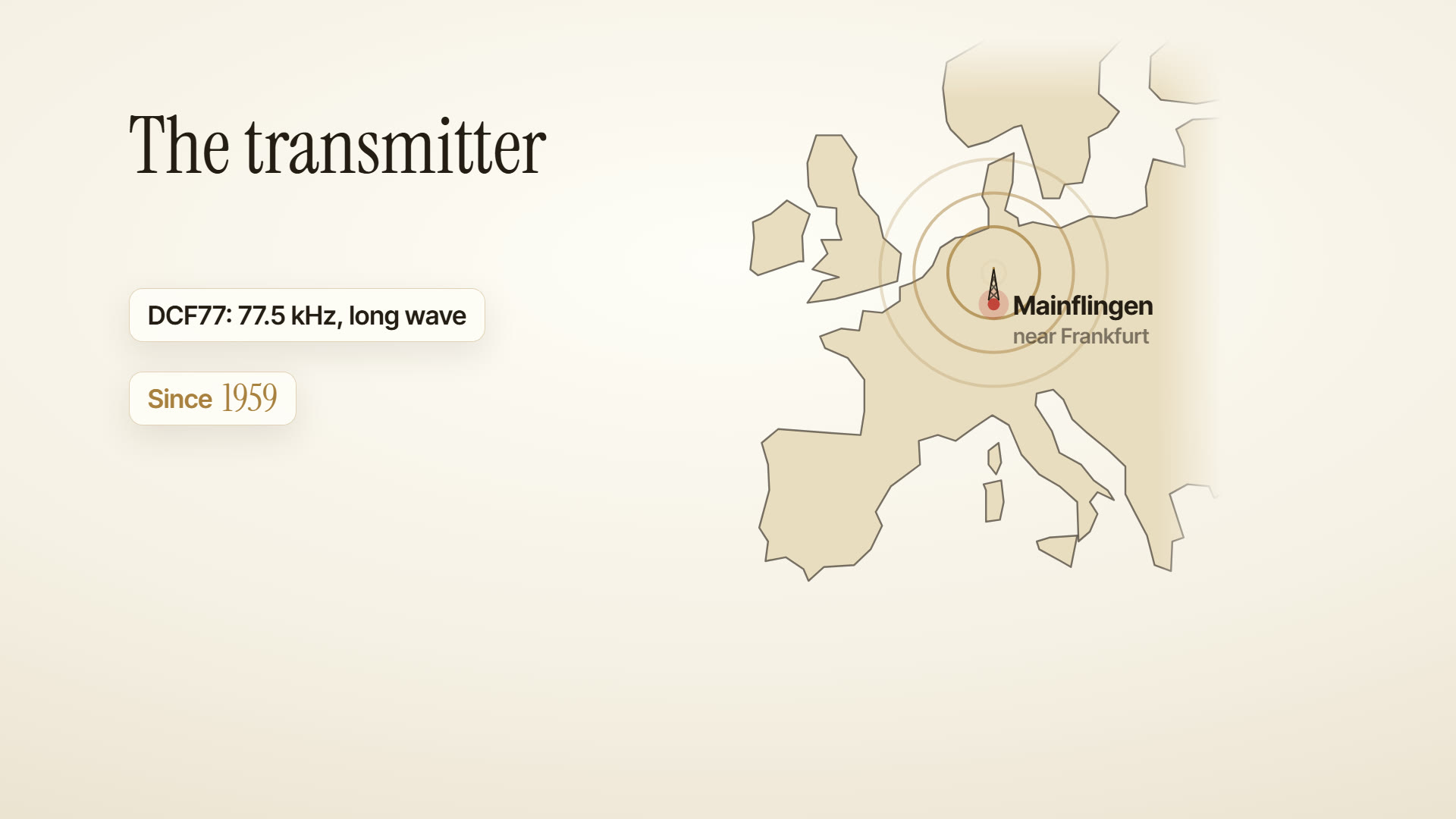
How does a radio-controlled watch work? The video guide
 ▶ 2:20
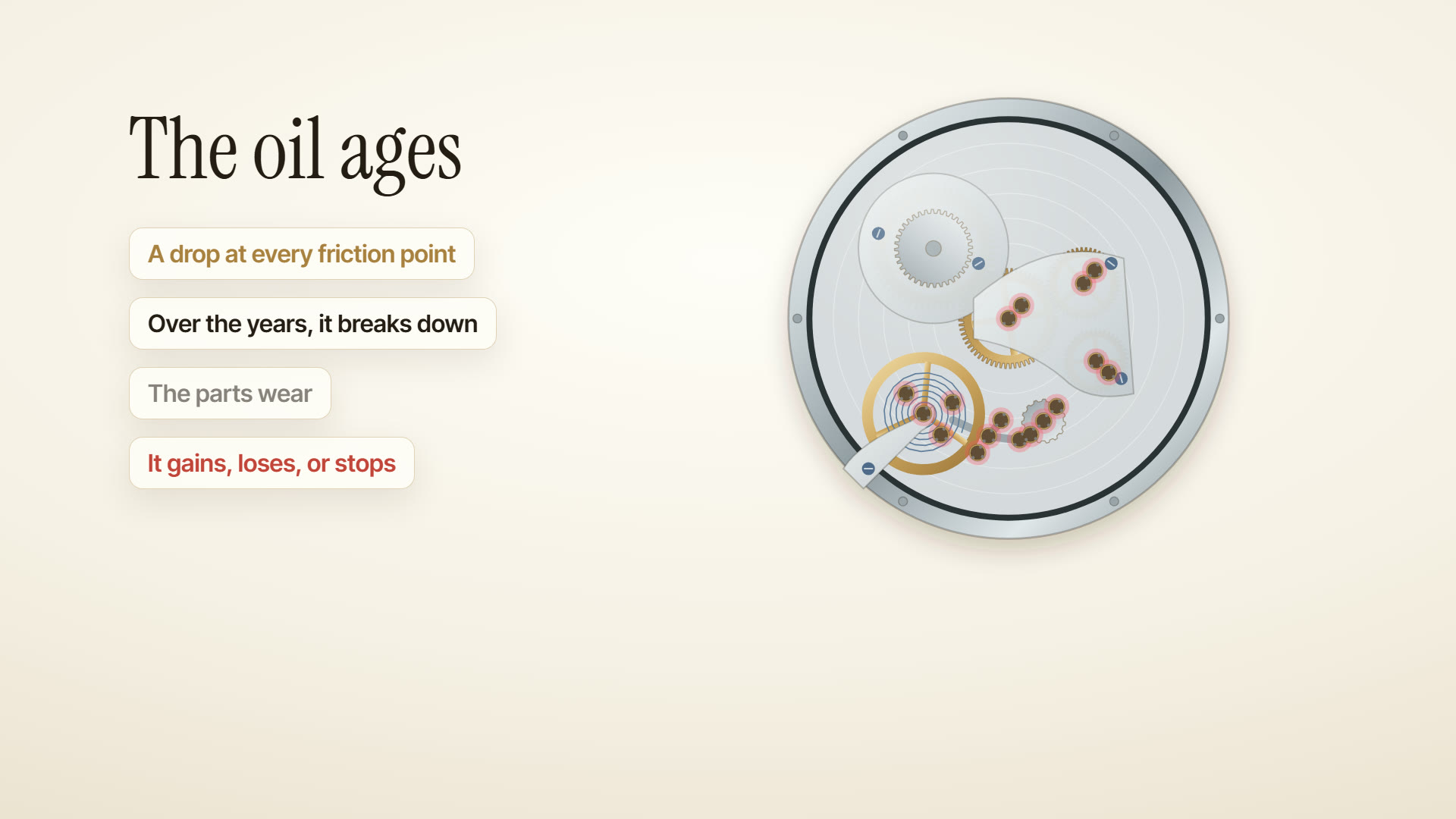
Should you service a watch that runs fine? The video guide
 ▶ 2:25
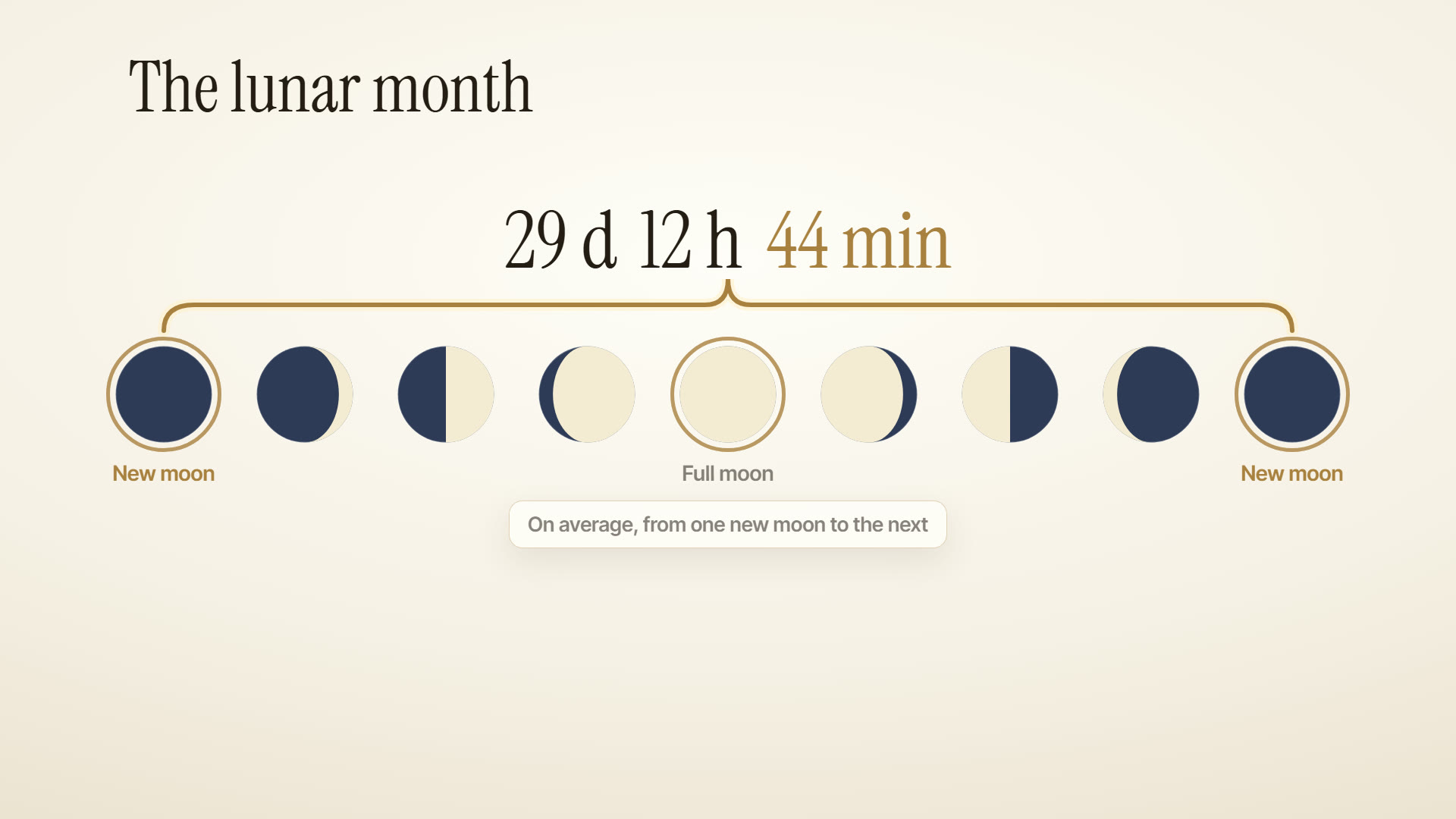
Moon phase: how do you read and set it? The video guide
 ▶ 2:22
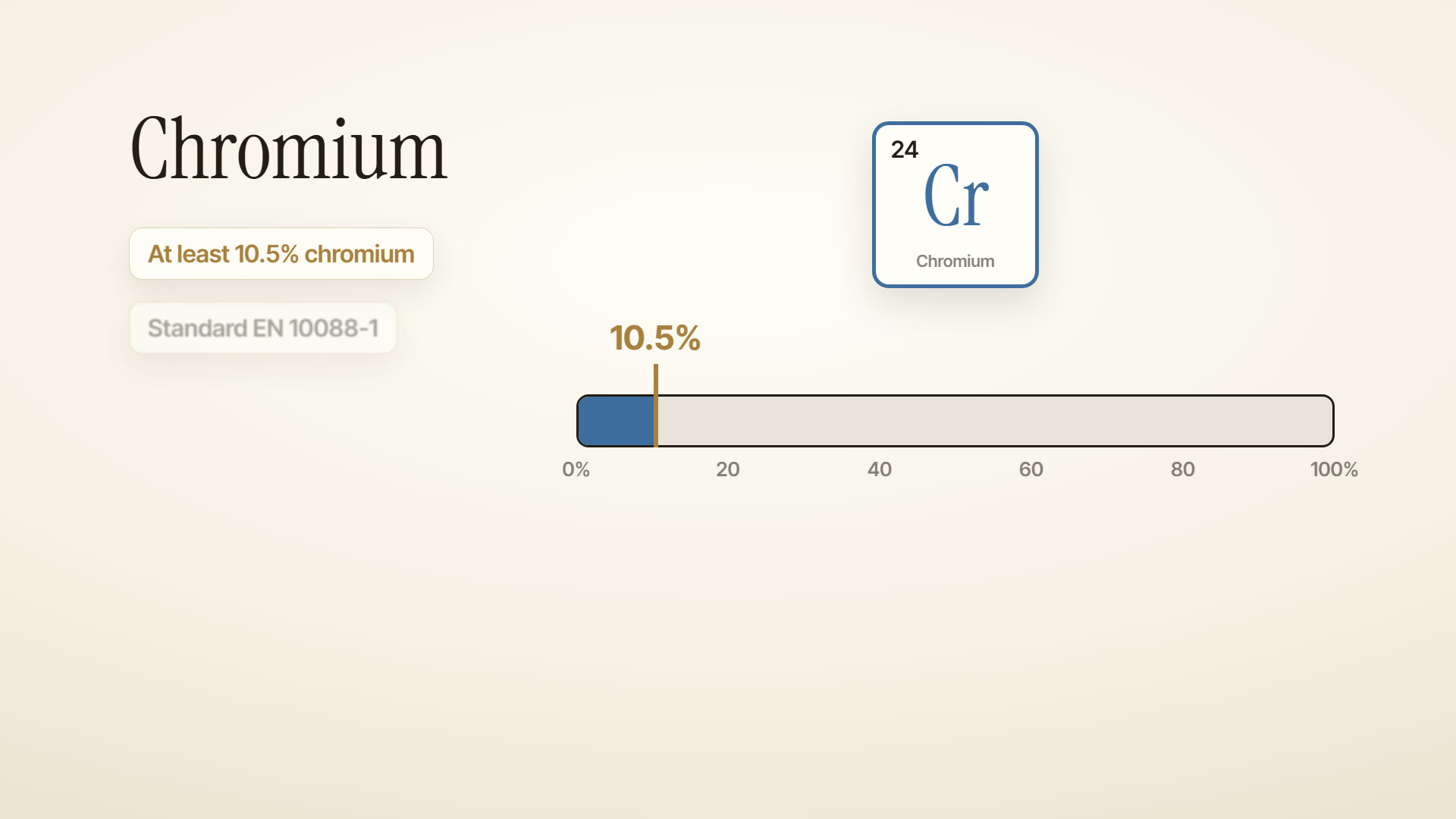
Why does a steel watch not rust? The video guide
 ▶ 2:20
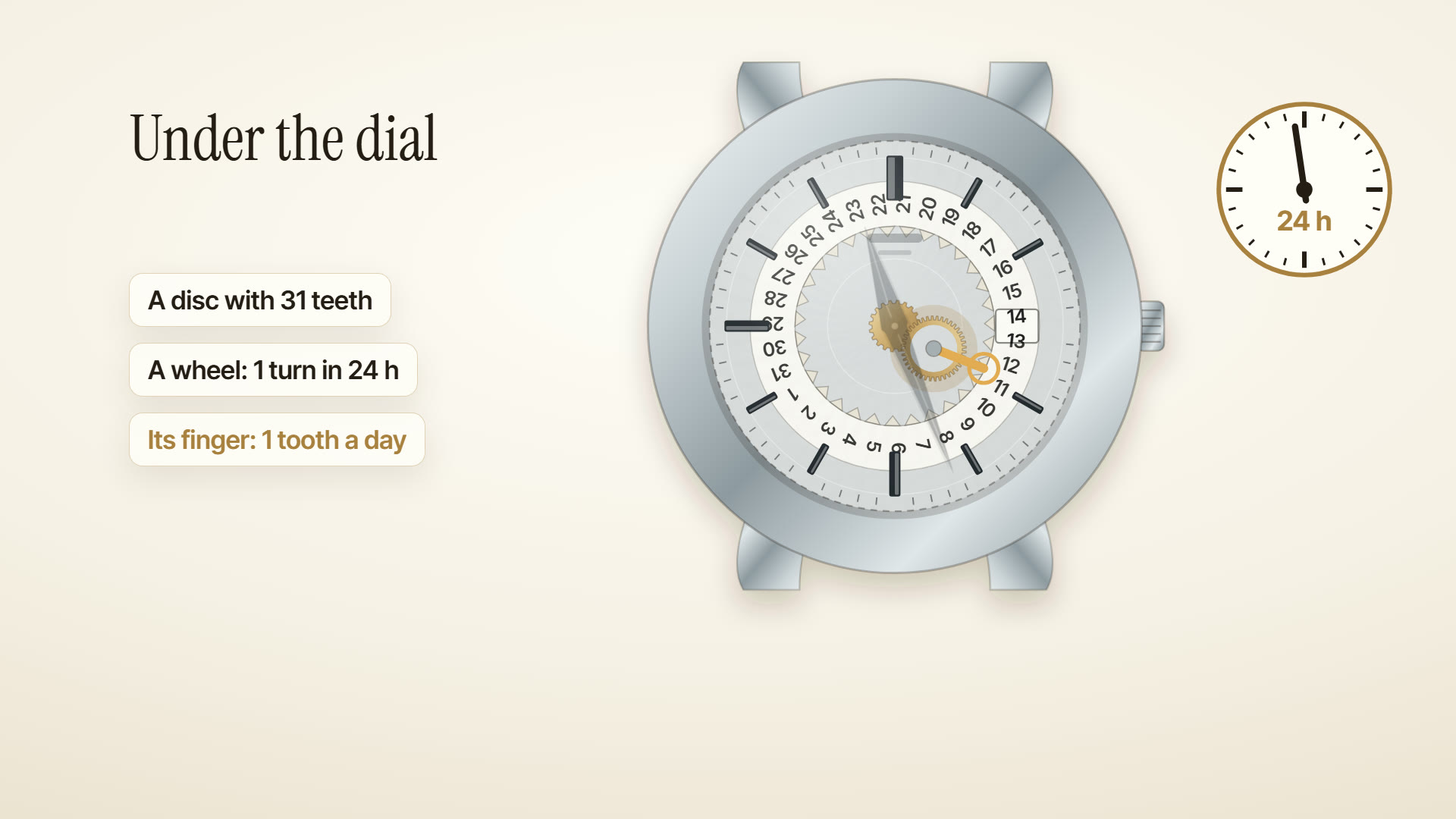
Why does the watch date change before midnight? The video guide
 ▶ 2:13