
Leather, rubber, Milanese or NATO: which strap for which use? The video guide
The video guide · 2:28
Chapters
Transcript
The same dial, four straps, four different watches. And the strap does more than change the style: it decides what the watch can put up with. First, a strap does not make a watch water-resistant. The rating on the back tells you whether the watch can go in the water. The strap tells you whether it can go in with it. Leather is for the office and for evenings out. But it does not like water: when wet, it fades, its glue comes away, and it can irritate the skin. Sweat wears it down too. Not for the pool, and not for sport. Rubber is the opposite: pool, sea, sport, and then a rinse. Silicone copes well with heat and sunlight. Polyurethane ends up hardening: when it loses its suppleness or cracks, you replace it. Milanese mesh is a supple fabric made of steel, adjusted by sliding its clasp. It can take water, but holds it between its links, along with sand and salt. After the sea: fresh water, and a long time to dry. The NATO strap was born from a British military standard, in nineteen seventy-three. A one-piece nylon strap that runs behind both spring bars: if one breaks, the watch stays on your wrist. In short. Water or sweat: silicone, or a NATO. An office, a dinner: leather. Light metal that adjusts without tools: Milanese mesh. And never the sauna, whatever the strap: heat attacks the watch's seals. One last tip: do not wear it tight. A strap that is too tight traps sweat. Room for one finger is enough. And nothing stops you changing it to suit the day: one spring bar, and it is done. Discover a whole selection of watches at Montres Outlet.
More video guides
 ▶ 2:28
How does a radio-controlled watch work? The video guide
 ▶ 2:20
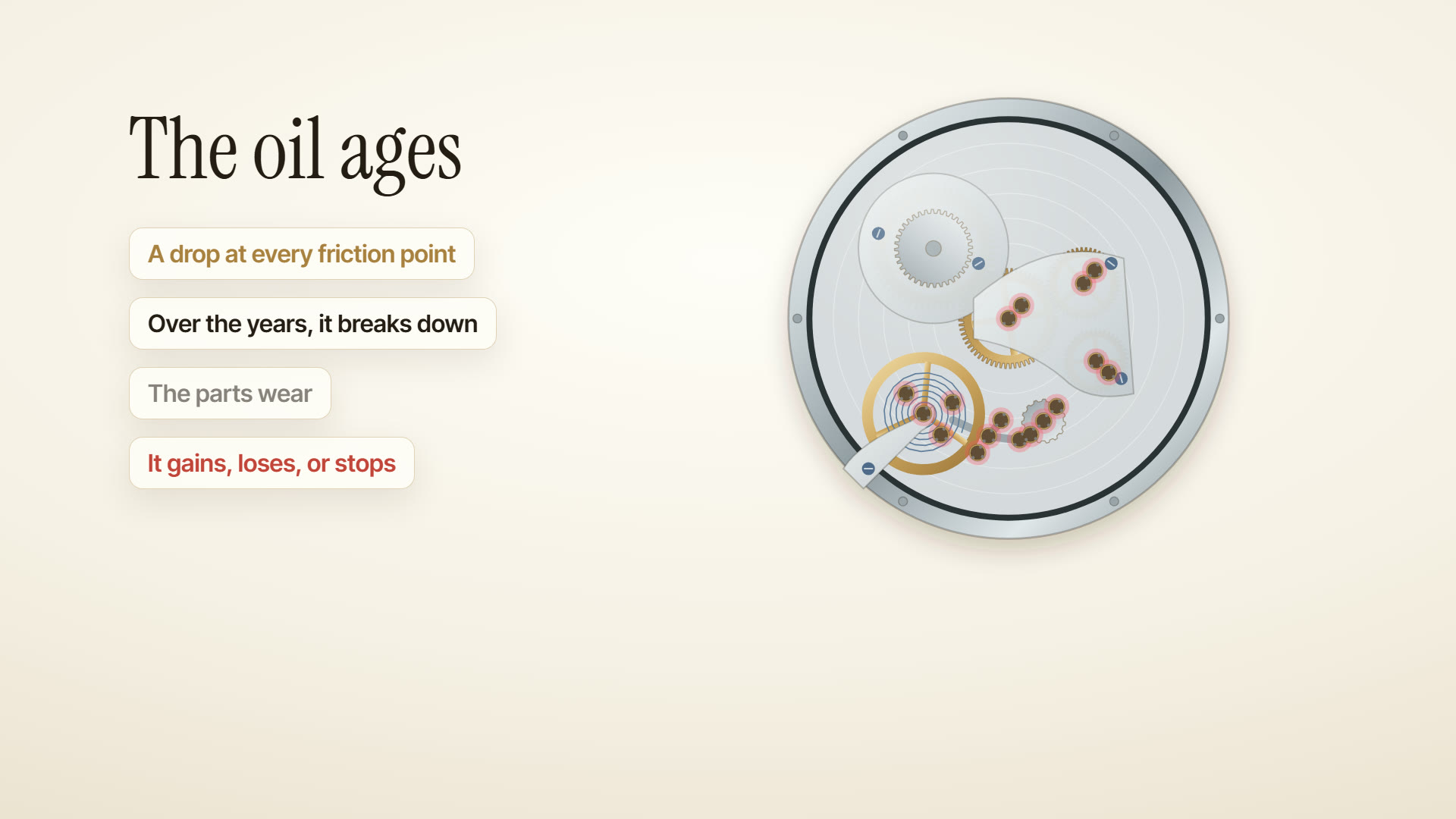
Should you service a watch that runs fine? The video guide
 ▶ 2:25
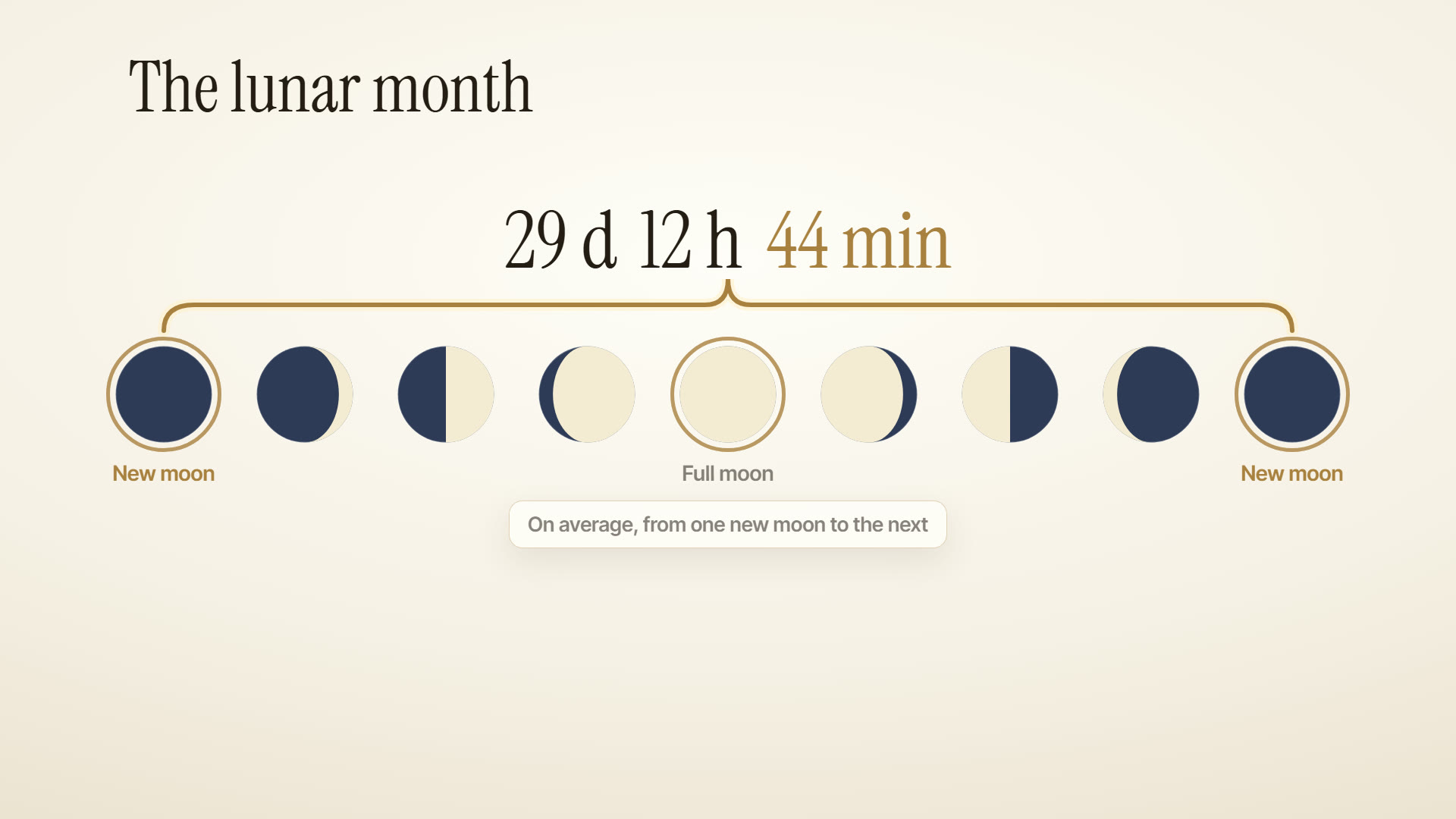
Moon phase: how do you read and set it? The video guide
 ▶ 2:22
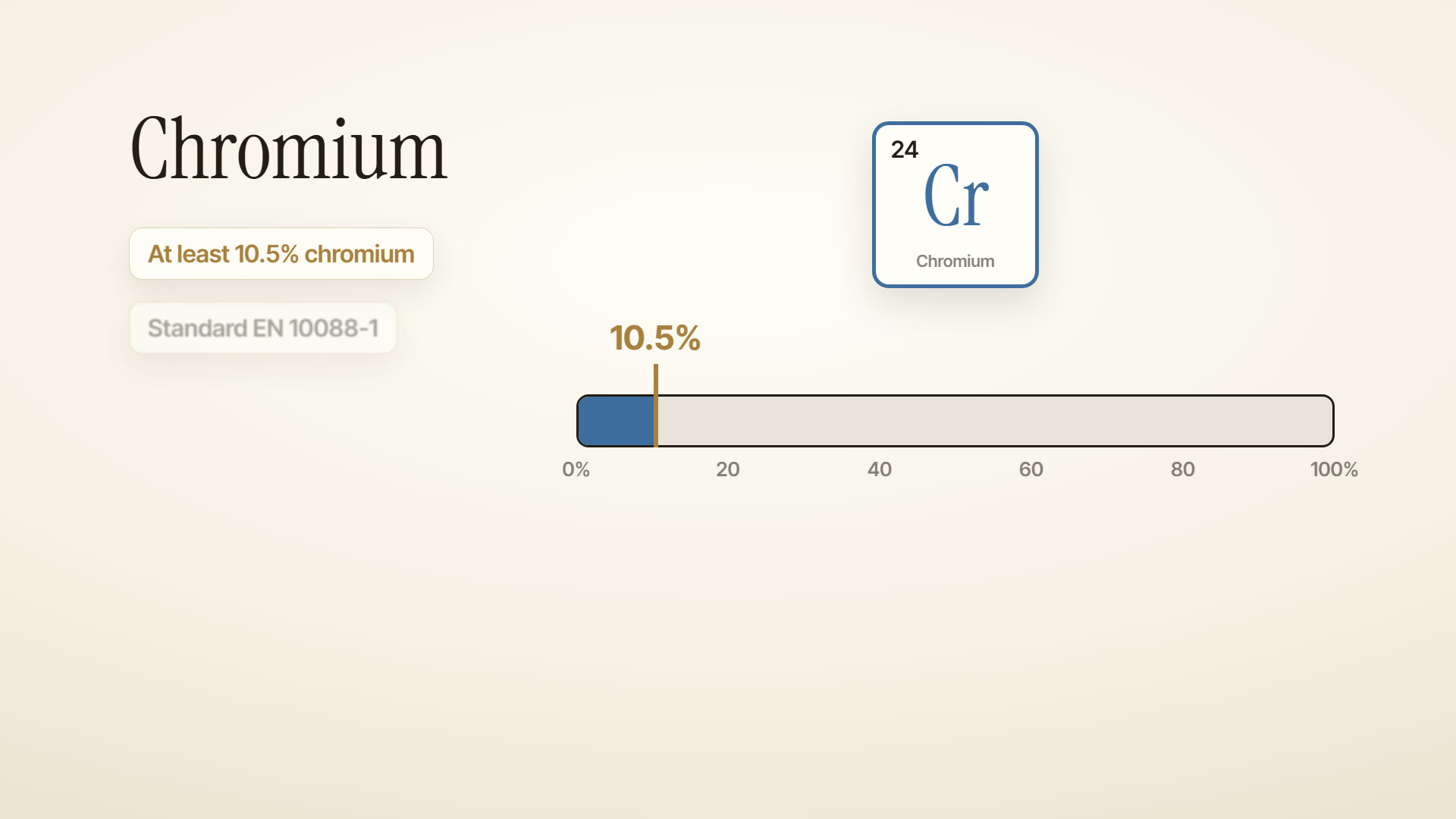
Why does a steel watch not rust? The video guide
 ▶ 2:20
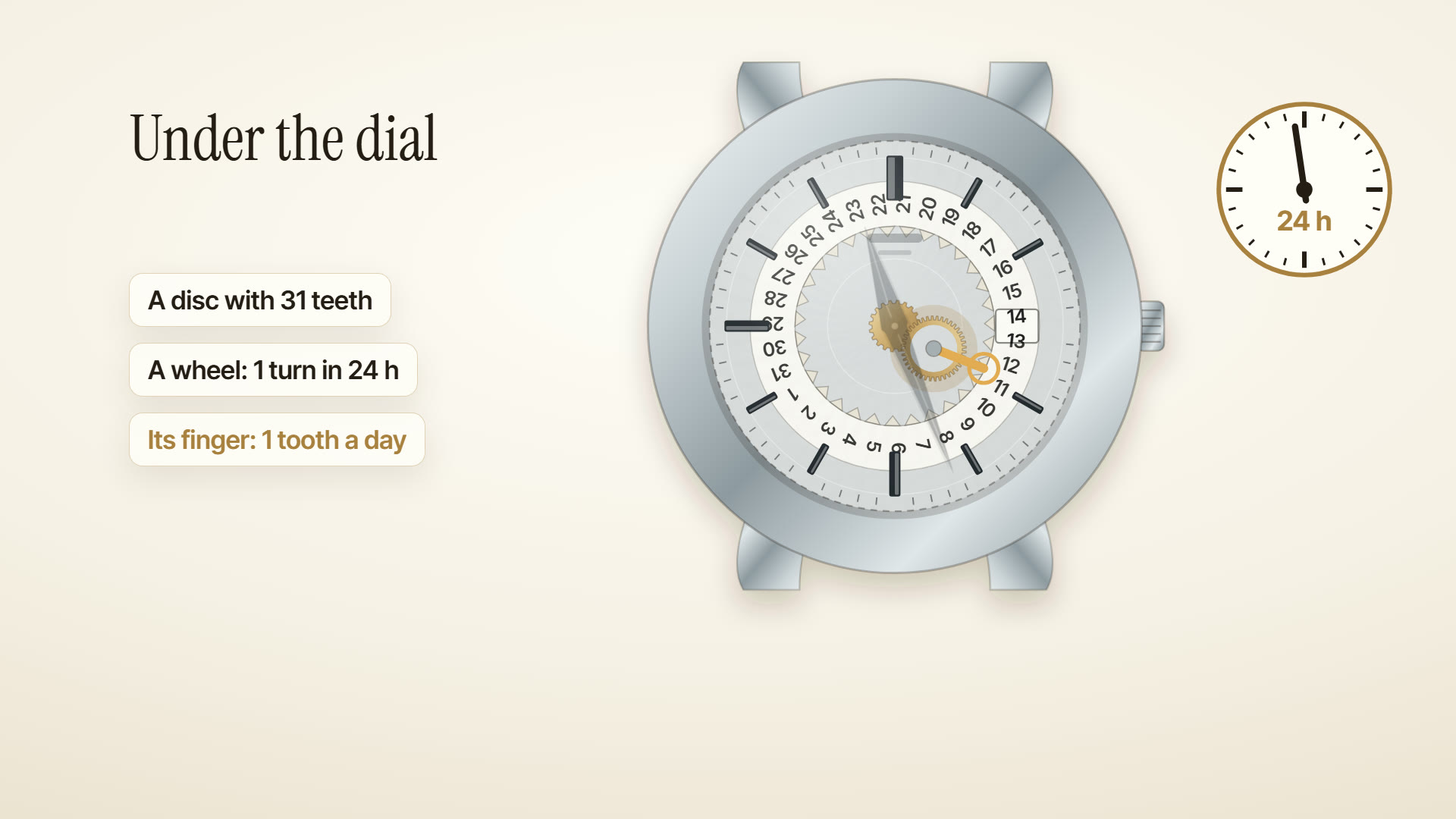
Why does the watch date change before midnight? The video guide
 ▶ 2:13