
Why do watch hands glow in the dark? The video guide
The video guide · 2:26
Chapters
Transcript
Switch off the light: the hands are still glowing. That glow has a history, a tragic one at times. And it fades as the night goes on. In the nineteen tens and twenties, in the United States, more than three thousand young women painted watch dials with radium. They were taught to bring their brushes to a point between their lips. With every stroke, they swallowed a little radium. In many of them, it ate away their bones from the inside. In nineteen twenty-five, five of these workers took their employer to court. Radium was used until around the nineteen sixties. An old radium watch no longer glows: the material that lit up has worn out. But the radium remains, with a half-life of one thousand six hundred years. A watch like that is never opened at home. Tritium took over. It glows without any light, but its radioactivity halves in about twelve years. Tritium paints disappeared around the mid-nineteen nineties. Today, the pigment most often used has no radioactivity at all: strontium aluminate. First described in nineteen ninety-six, it glows more than ten times brighter than the old zinc sulphide. It absorbs light and stores it. In the dark, the energy trapped in the crystal slowly escapes: very bright at first, the glow keeps dropping all night. The ISO seventeen five fourteen standard requires that after three hours, the hour and minute hands can still be told apart. To make it last, give it some light before night falls: under a sleeve all evening, it barely glows. And this pigment ages well: after accelerated ageing, the standard requires it to keep more than ninety per cent of its light. Discover a whole selection of watches at Montres Outlet.
More video guides
 ▶ 2:28
How does a radio-controlled watch work? The video guide
 ▶ 2:20
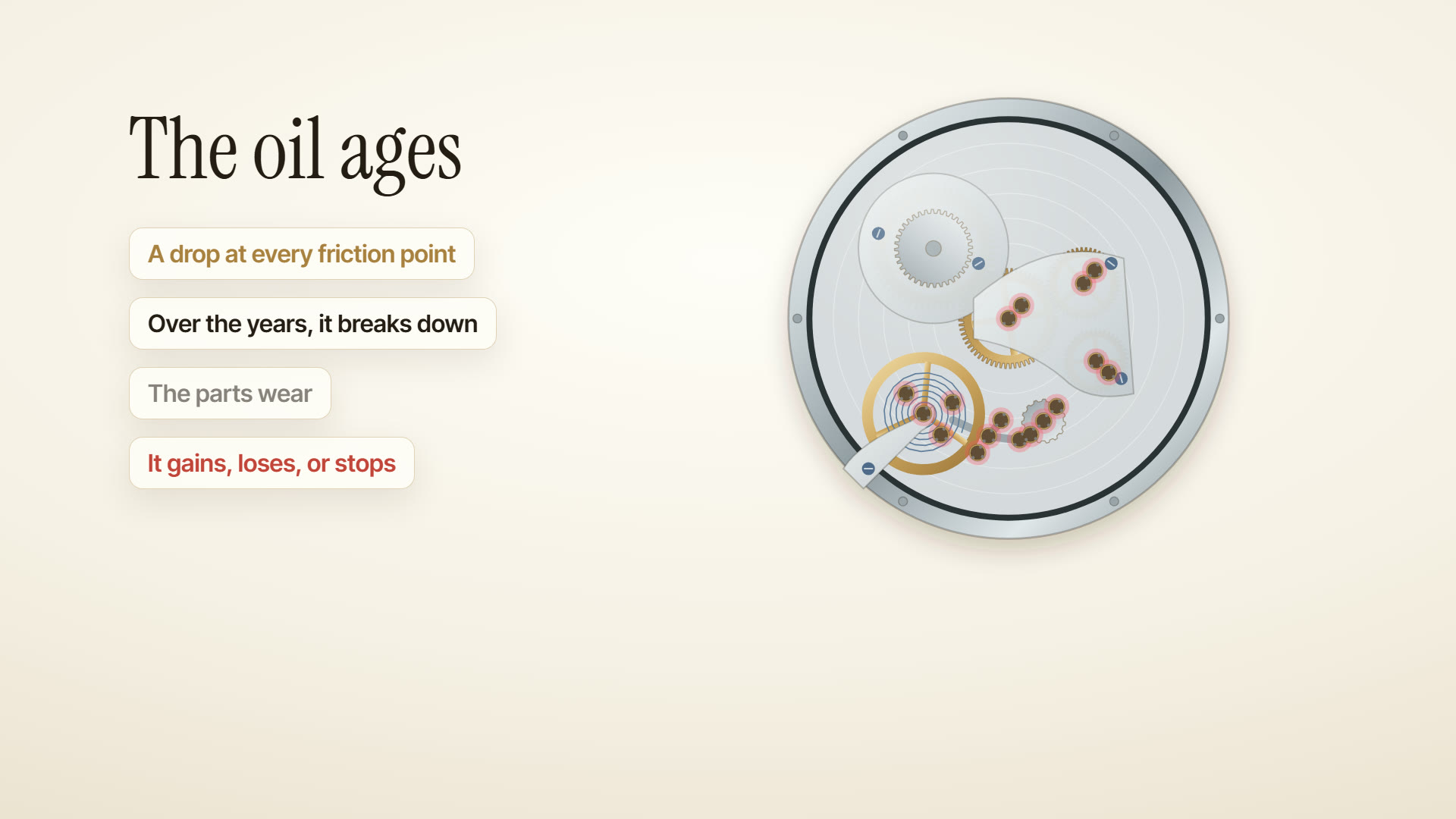
Should you service a watch that runs fine? The video guide
 ▶ 2:25
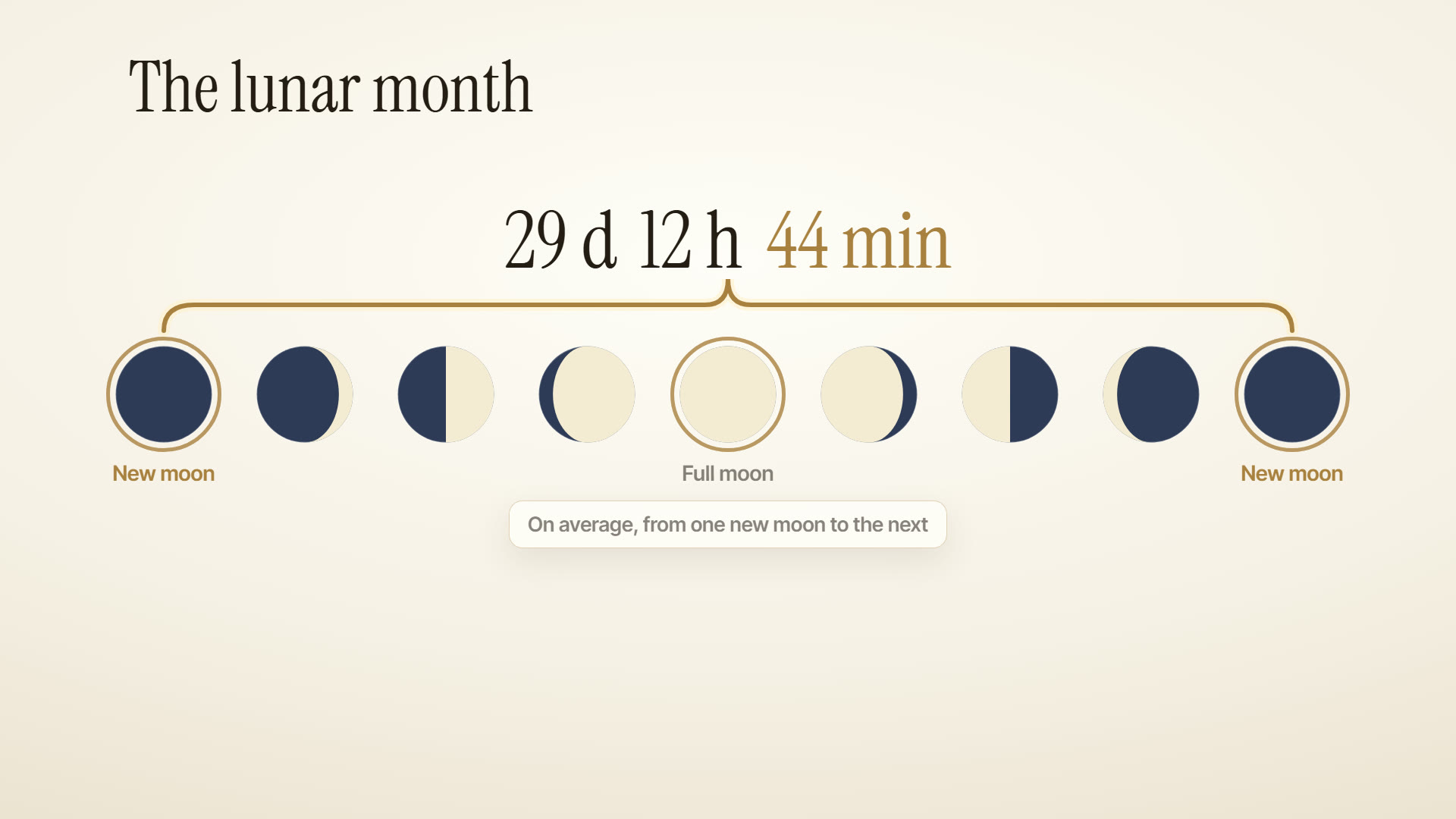
Moon phase: how do you read and set it? The video guide
 ▶ 2:22
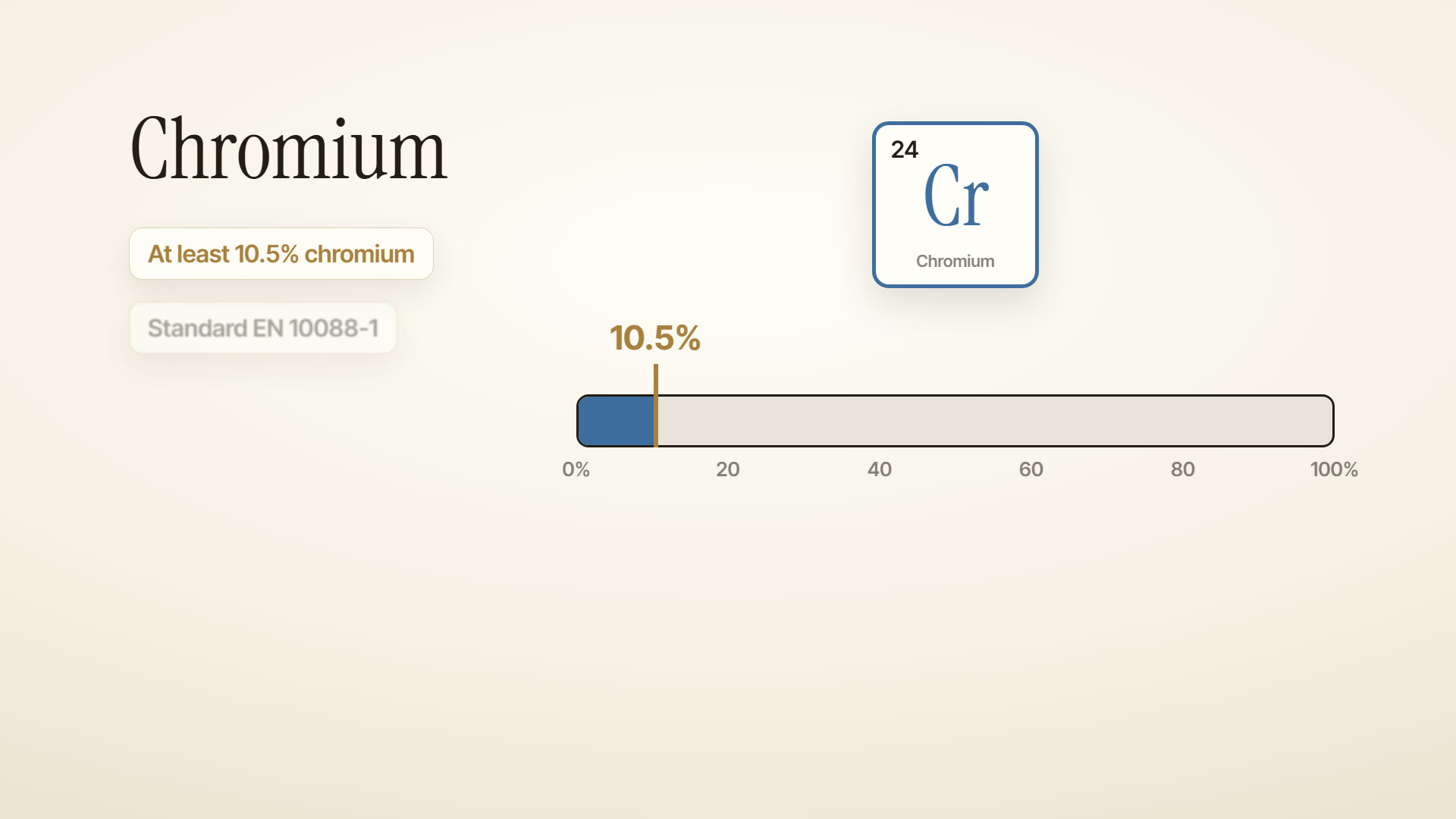
Why does a steel watch not rust? The video guide
 ▶ 2:20
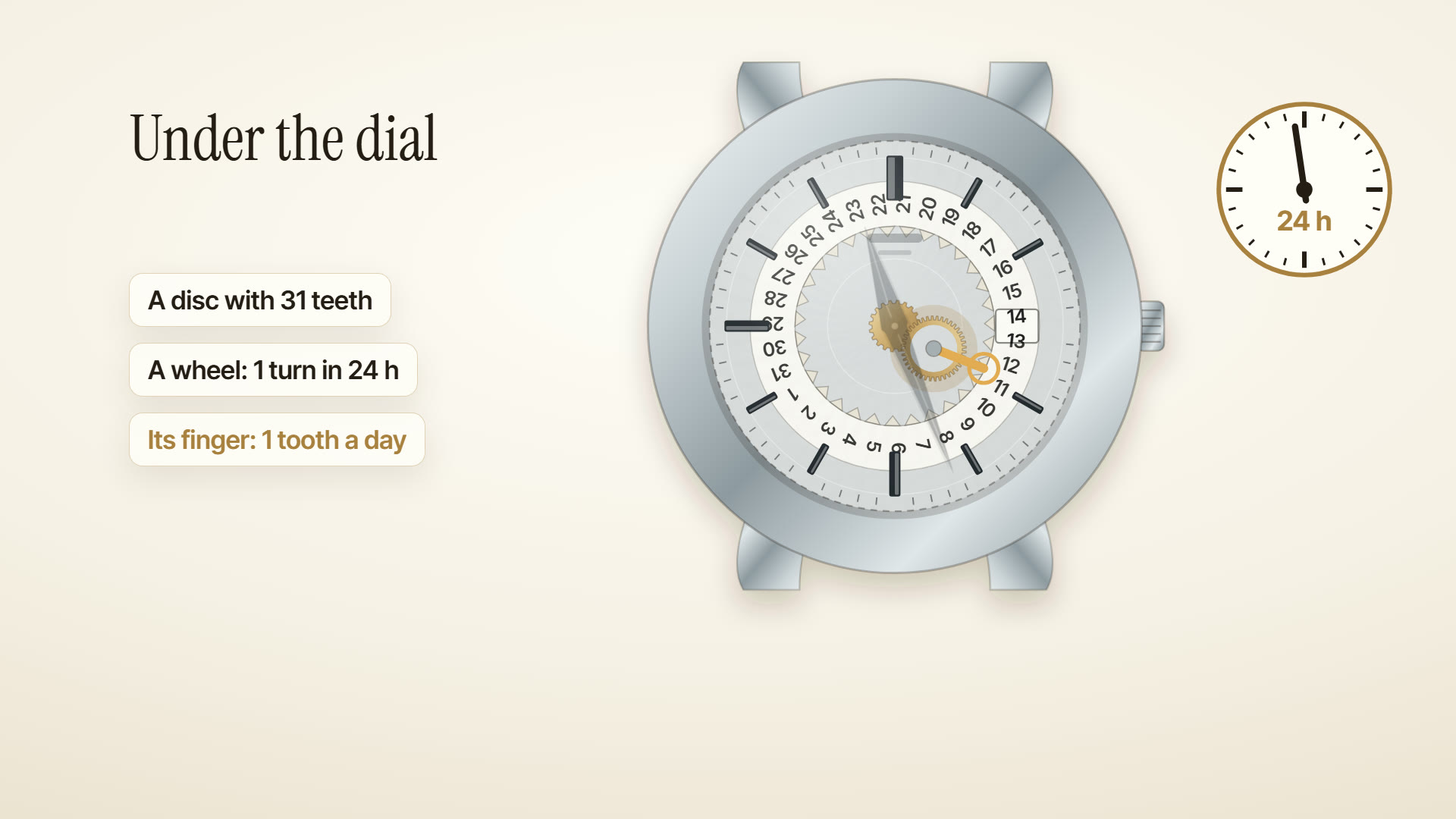
Why does the watch date change before midnight? The video guide
 ▶ 2:13