
Why does a dive bezel only turn one way? The video guide
The video guide · 2:17
Chapters
Transcript
Pick up a dive watch and turn its bezel. One way, it moves, click by click. The other way, it refuses. That is not a fault. It is a safety feature. This bezel is there to count the time spent underwater. As the dive begins, you line up its marker, the little triangle, with the minute hand. After that, no maths at all. The minute hand moves on, and shows directly on the bezel how many minutes have passed since the start. Now picture a knock against a rock, or a glove catching the bezel. If it could turn clockwise, the triangle would move closer to the hand. The watch would show less time than has really passed, and the diver would think there was more margin than there is. That is why it only turns the other way. A knock can only push the triangle back: the watch then shows more elapsed time than is real, and the diver comes up earlier than planned. The error always falls on the side of safety. The dive watch standard, ISO six thousand four hundred and twenty-five, requires a time indicator protected against any accidental handling, readable to the minute over at least an hour, with a clear marker every five minutes. It must also be readable in the dark. Three hours after its last exposure to light, at twenty-five centimetres, the dive time must still be readable to within two and a half minutes. Be careful: a rotating bezel alone does not make a dive watch. The word Diver's is what proves it. Out of the water, it is useful to everyone: parking, cooking. Set the triangle on the minute hand, and the watch counts for you. Discover a whole selection of watches at Montres Outlet.
More video guides
 ▶ 2:03
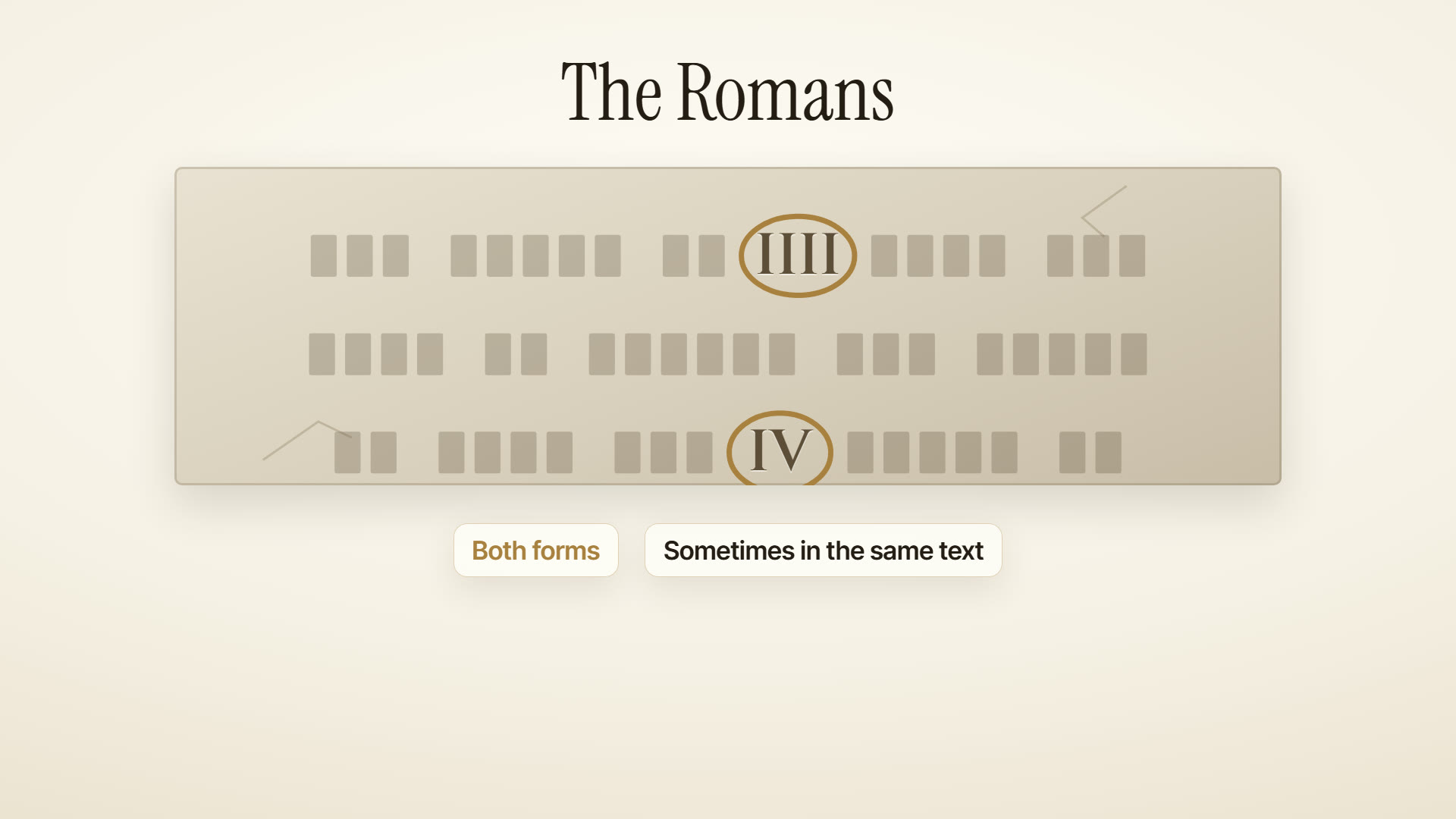
Why do dials show IIII instead of IV? The video guide
 ▶ 2:25
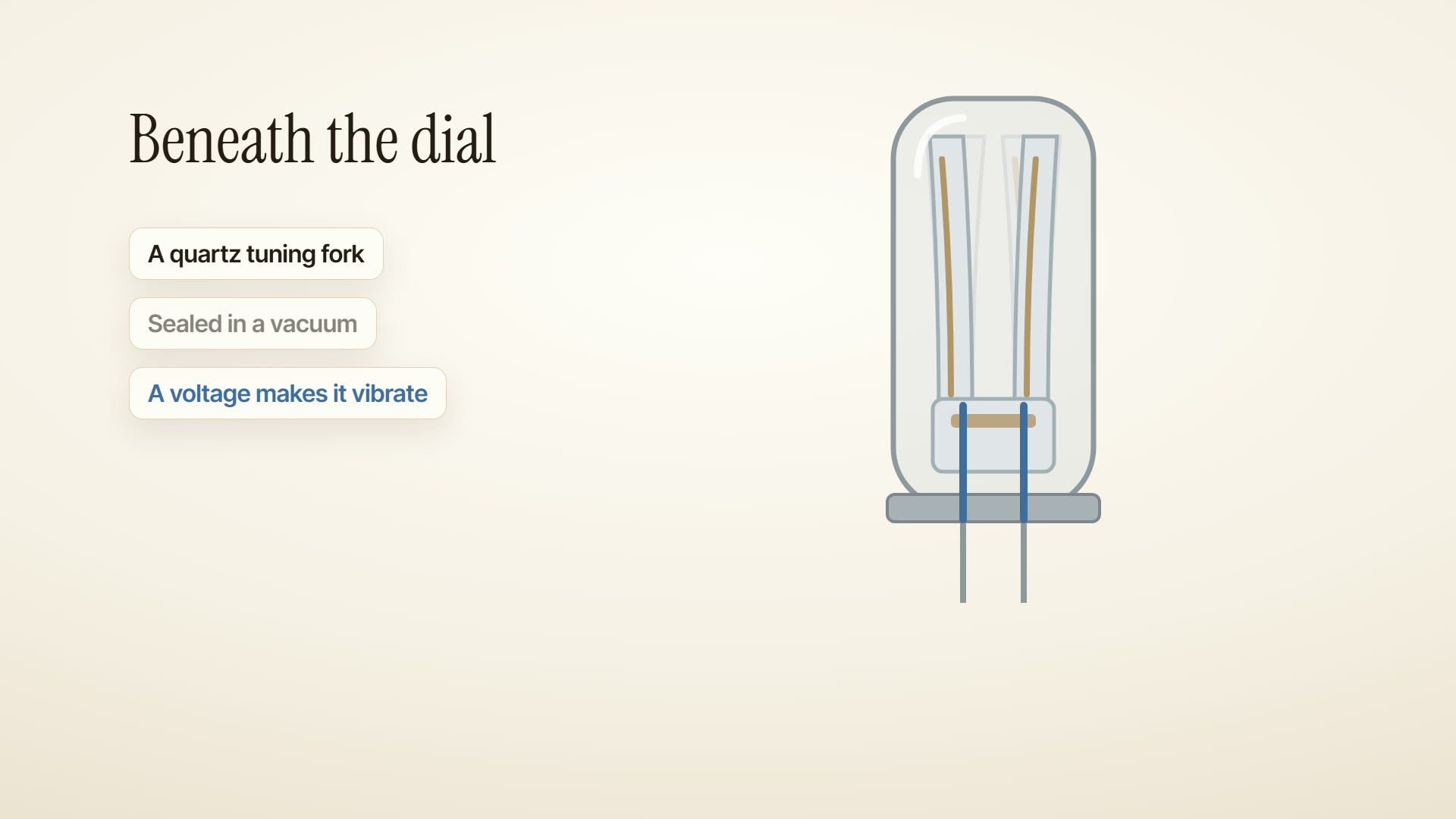
Why do quartz watches run at 32,768 Hz? The video guide
 ▶ 2:16
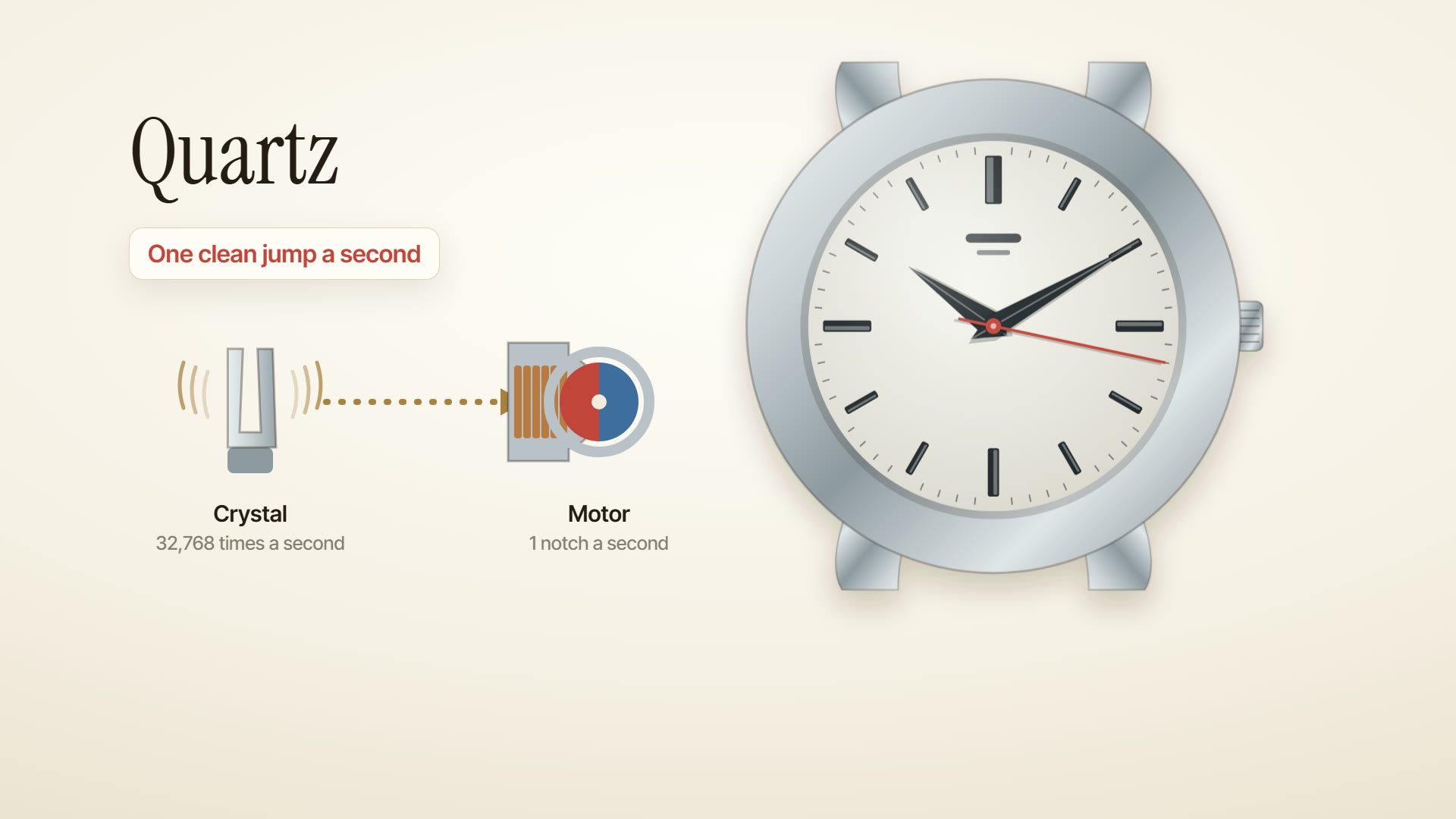
Quartz or automatic? The video guide
 ▶ 2:26
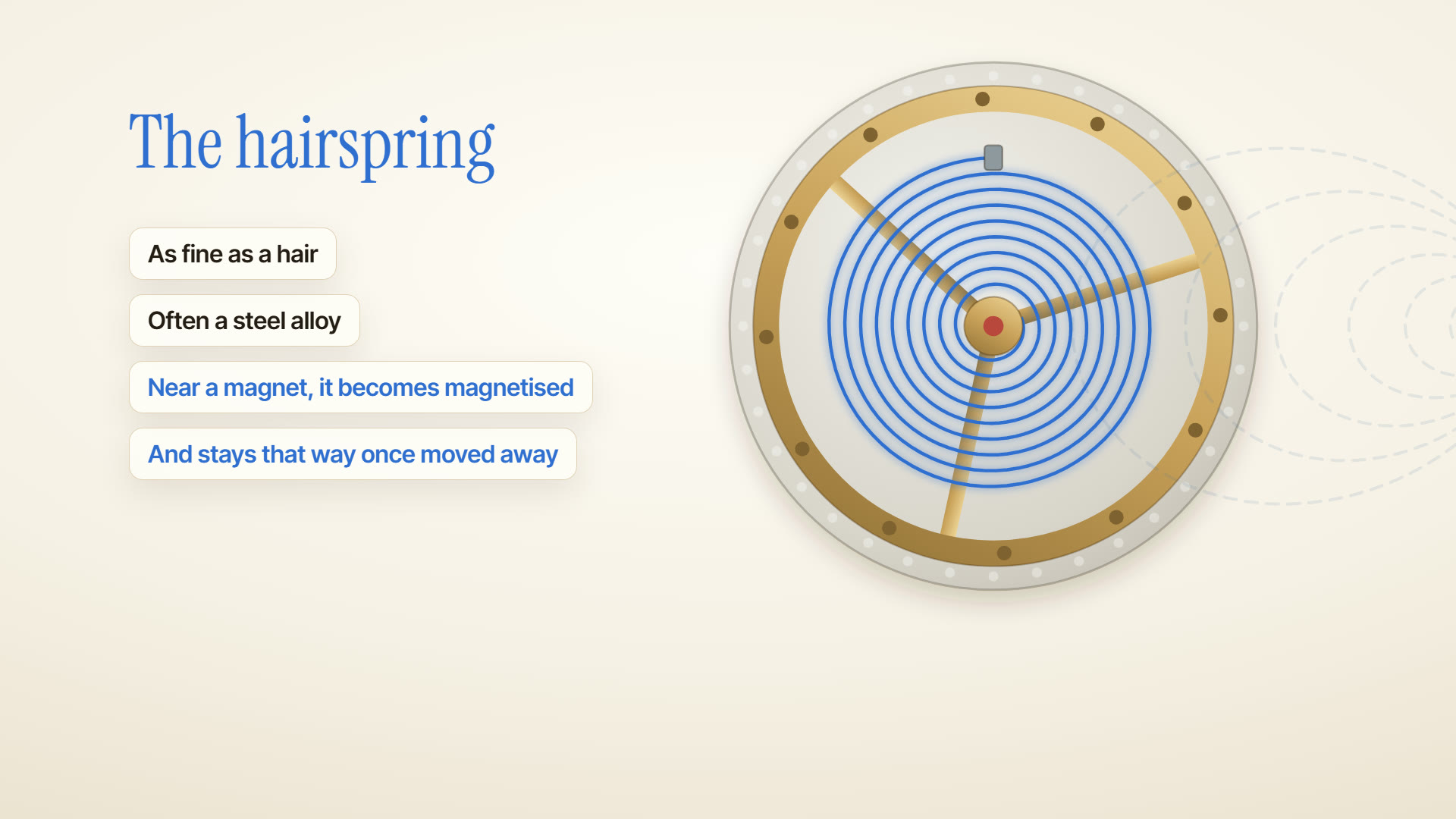
Why does a magnet make your watch run fast? The video guide
 ▶ 2:25
What are the jewels in a watch for? The video guide
 ▶ 2:11