
Quartz or automatic? The video guide
The video guide · 2:16
Chapters
Transcript
Quartz or automatic? No need to open the watch. Just watch the seconds hand, for three seconds. Does it move in one clean jump, once a second? It is almost always a quartz. A crystal vibrates thirty-two thousand, seven hundred and sixty-eight times a second, and a tiny motor pushes the hand on by one notch every second. Does it seem to glide? It is almost always a mechanical watch. In fact, it jumps too, but in tiny steps: one step for each swing of the balance. On most movements, that makes six to eight steps a second. In three seconds, eighteen to twenty-four tiny steps, against three jumps for a quartz. A seconds hand that jumps is no sign of a less accurate watch. The time is counted by the crystal; the hand only displays it. And a quartz drifts by a few seconds a month, an automatic by a few seconds a day. The test has its exceptions. Some quartz watches move their seconds hand several times a second, so it seems to sweep. And on a hybrid chronograph, the chronograph hand glides, while the time is kept by a quartz. The other way round, a few rare mechanical watches make their seconds hand jump once a second, on purpose. It is an old complication: dead seconds. And without a seconds hand, the test tells you nothing. One last case: a quartz whose seconds hand jumps two or four seconds at a time. It is not a tired mechanical watch: it is the battery warning you that it is nearly flat. Discover a whole selection of watches at Montres Outlet.
More video guides
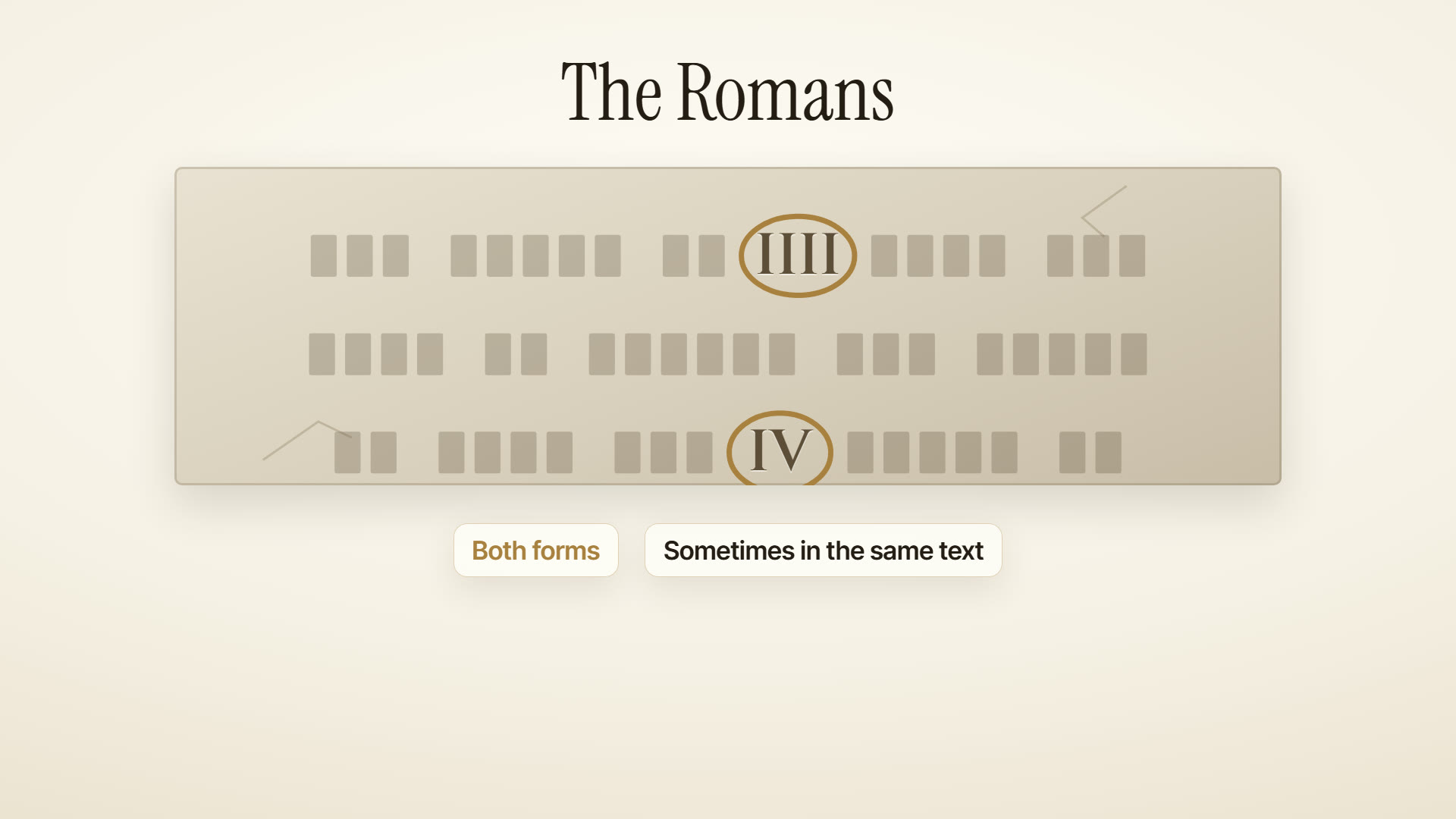 ▶ 2:03
Why do dials show IIII instead of IV? The video guide
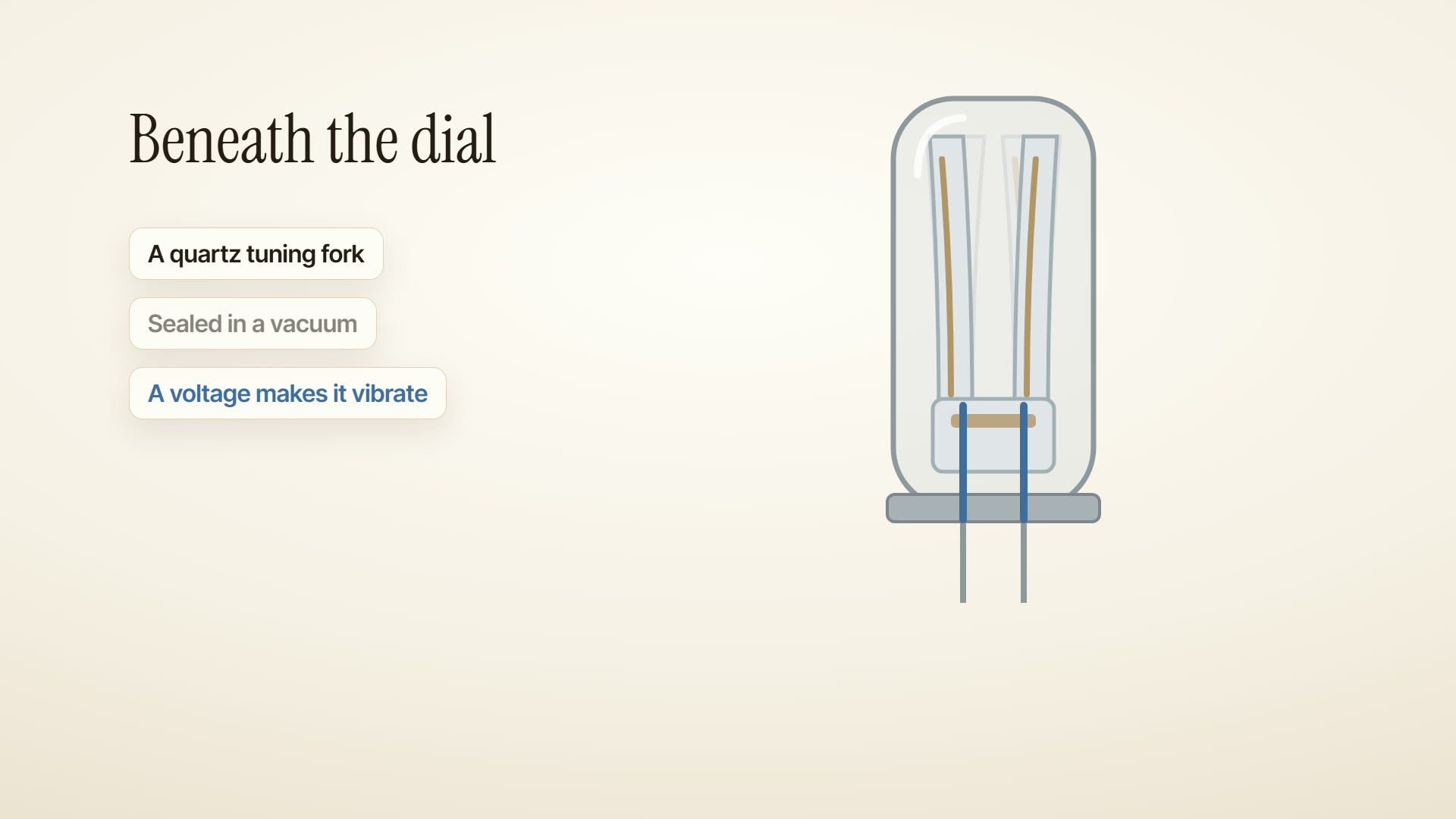 ▶ 2:25
Why do quartz watches run at 32,768 Hz? The video guide
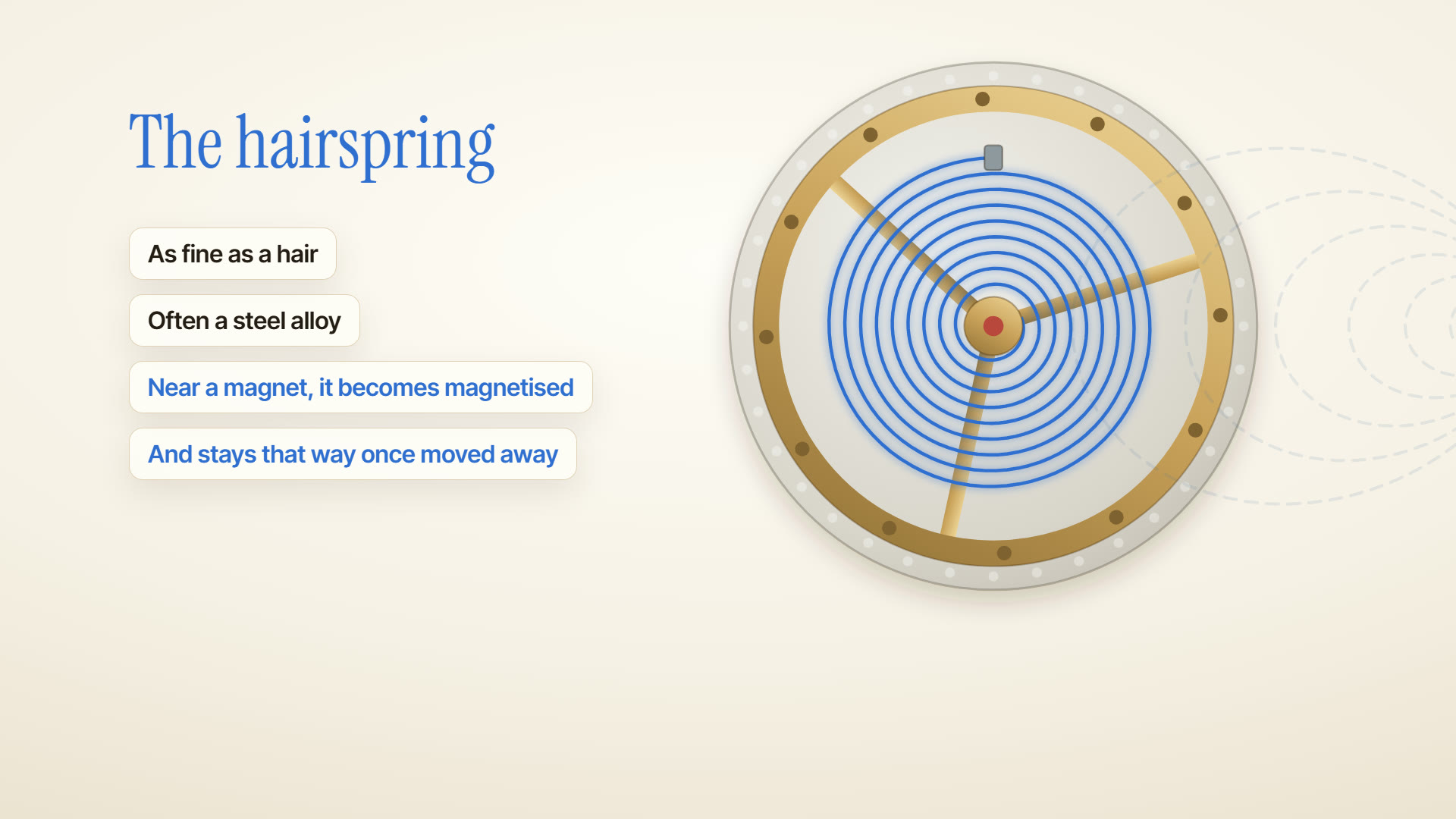 ▶ 2:26
Why does a magnet make your watch run fast? The video guide
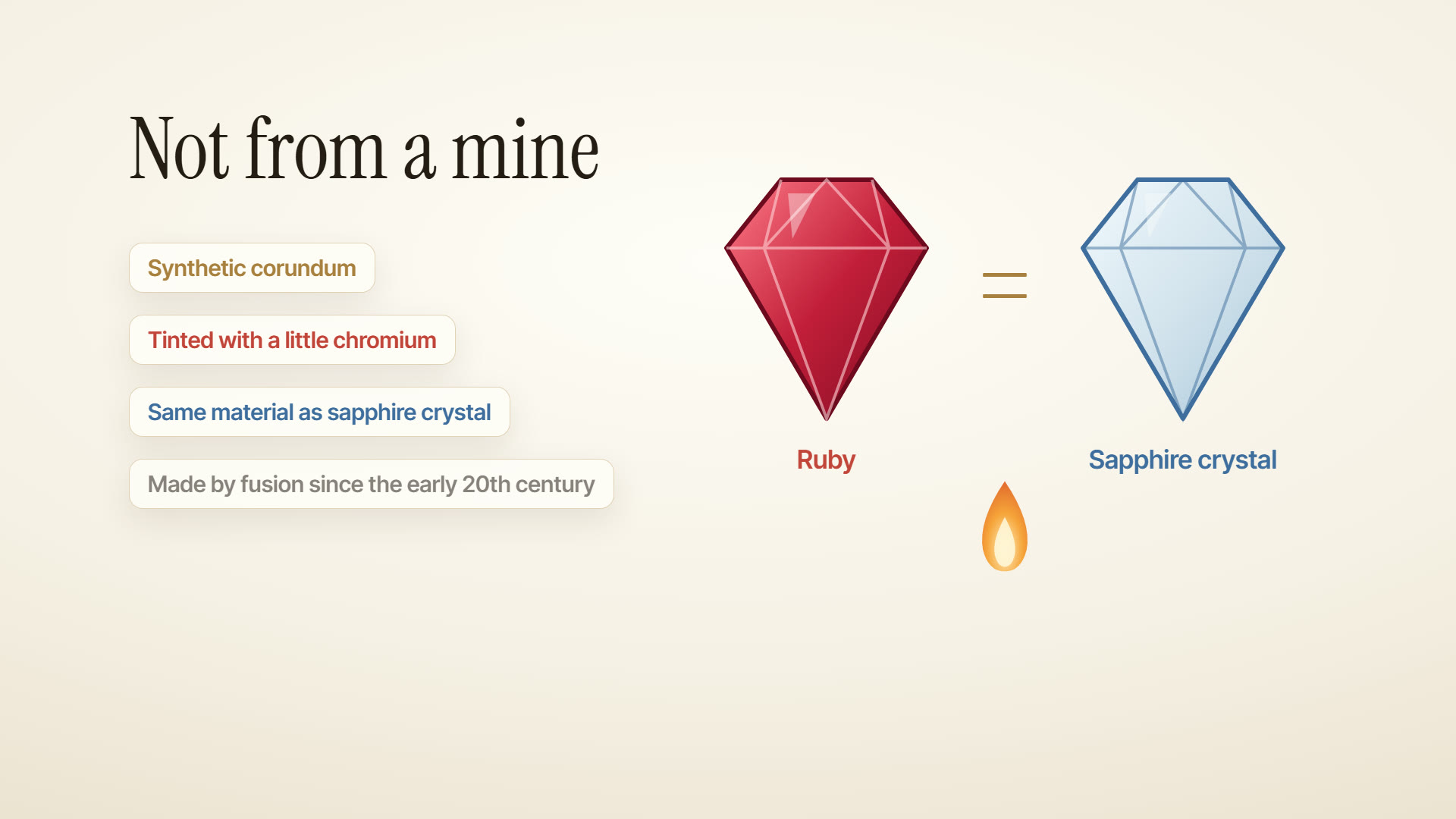 ▶ 2:25
What are the jewels in a watch for? The video guide
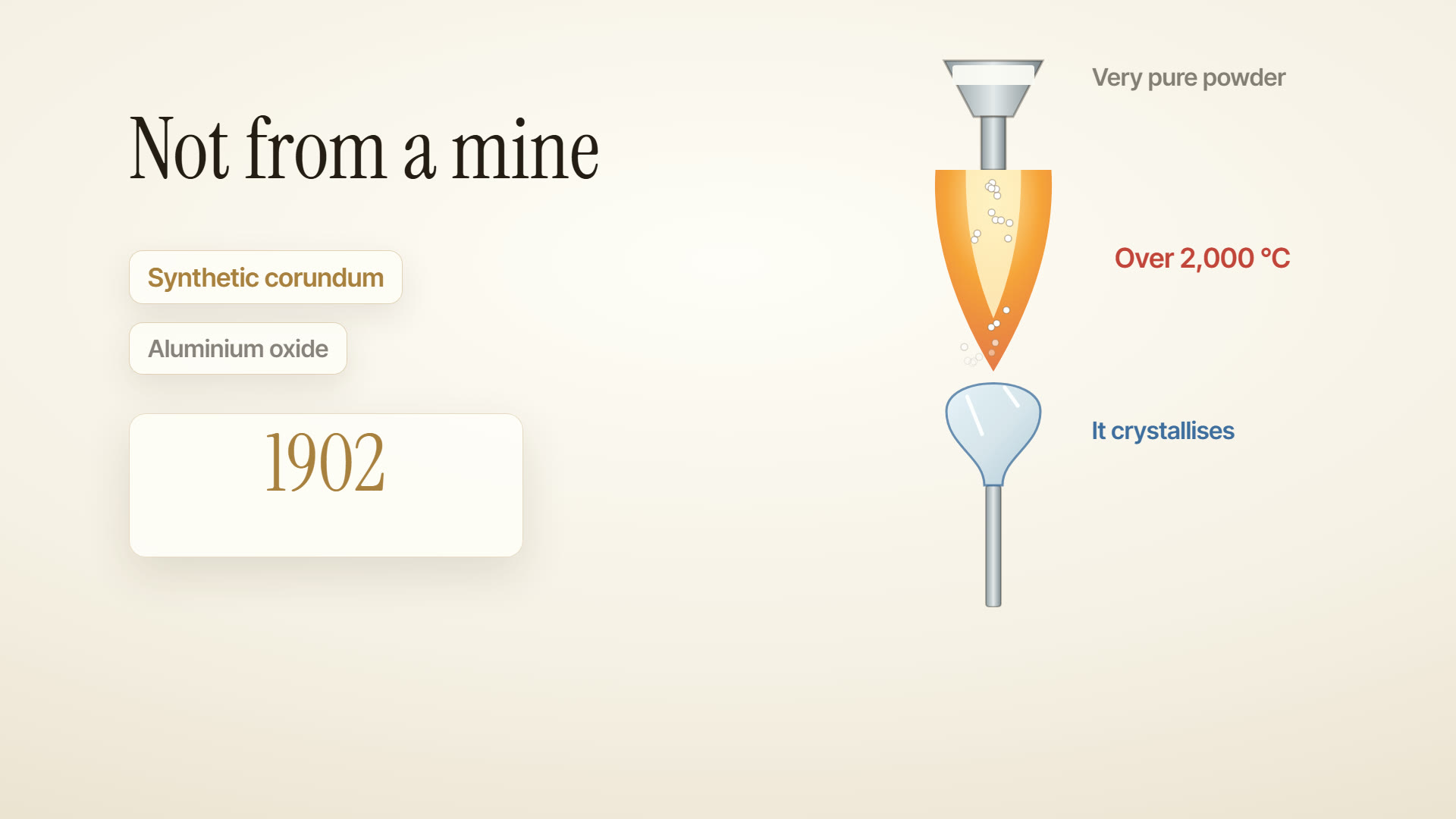 ▶ 2:11
Is sapphire crystal unbreakable? The video guide
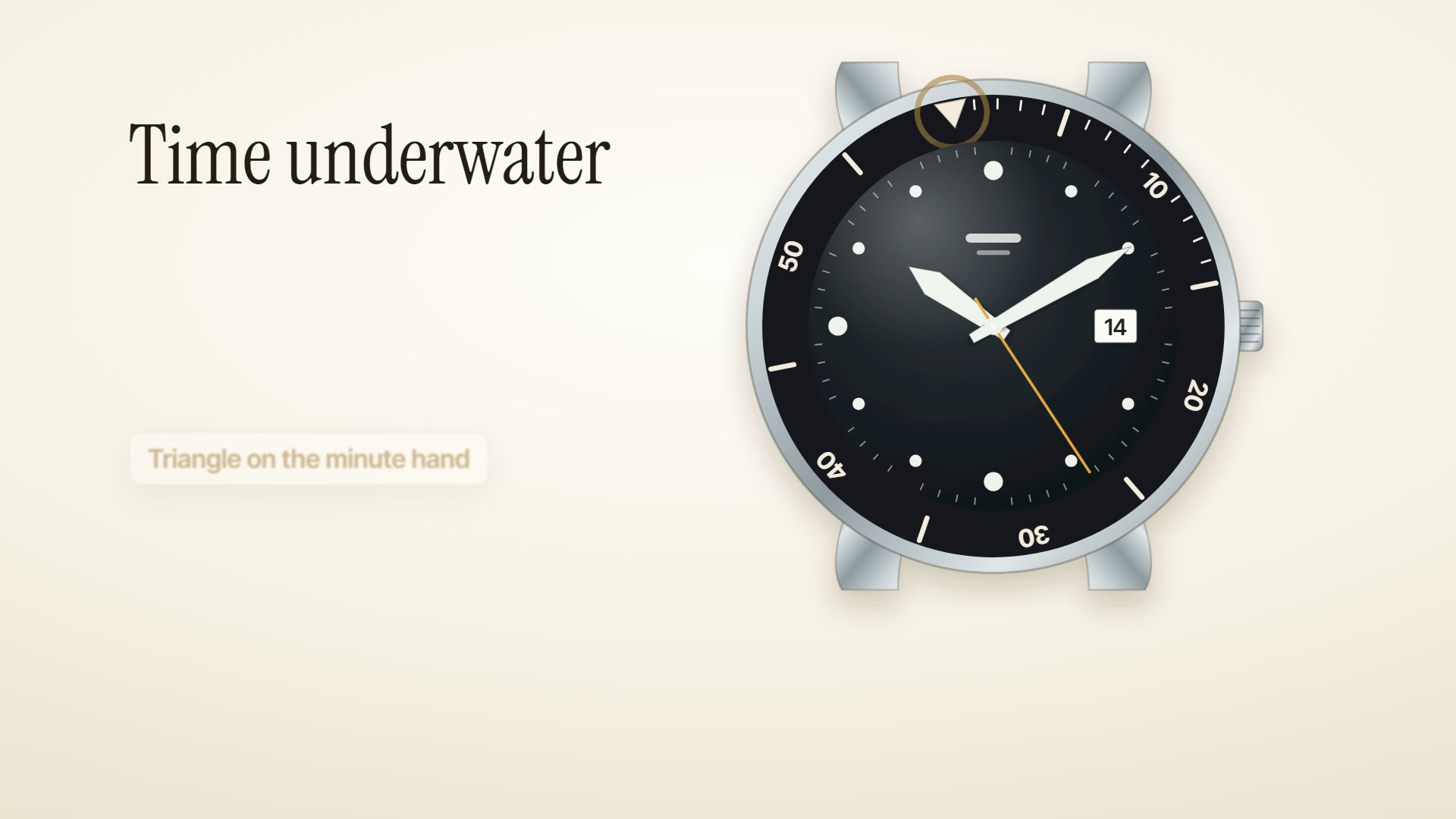 ▶ 2:17