
Why does a magnet make your watch run fast? The video guide
The video guide · 2:26
Chapters
Transcript
Has your mechanical watch suddenly started running fast, with no knock and no obvious reason? The culprit may be invisible: a magnet. At the heart of the movement, the hairspring, that spring as fine as a hair, is often made of a steel alloy. Brought close to a magnet, it becomes magnetised itself, and stays that way once moved away. Its coils then stick to one another. The spring behaves as if it were shorter: the balance beats faster, and the watch gains time. In severe cases, it stops. Magnets are everywhere: bag clasps, phone cases, speakers, tablets, laptops. At contact, the magnet in a tablet connector can exceed the threshold of the anti-magnetic standard ten times over. That threshold is the ISO seven sixty-four standard: four thousand eight hundred amperes per metre. The watch must not stop during the test, nor drift afterwards by more than thirty seconds a day. The good news: the field drops very quickly with distance. In a study published in twenty twenty-five, less than two centimetres from the devices tested, it had already fallen well below that threshold. Put your watch next to the bag, not against the clasp. A quartz watch reacts differently. Its little motor works with a magnet: a strong field can stop it or upset it while the exposure lasts. Once moved away, it gets its accuracy back: you simply set the time again. For a magnetised mechanical watch, nothing is broken: the hairspring is not damaged, only magnetised. A watchmaker demagnetises it in a few minutes, without opening the watch, and the coils separate again. Discover a whole selection of watches at Montres Outlet.
More video guides
 ▶ 2:03
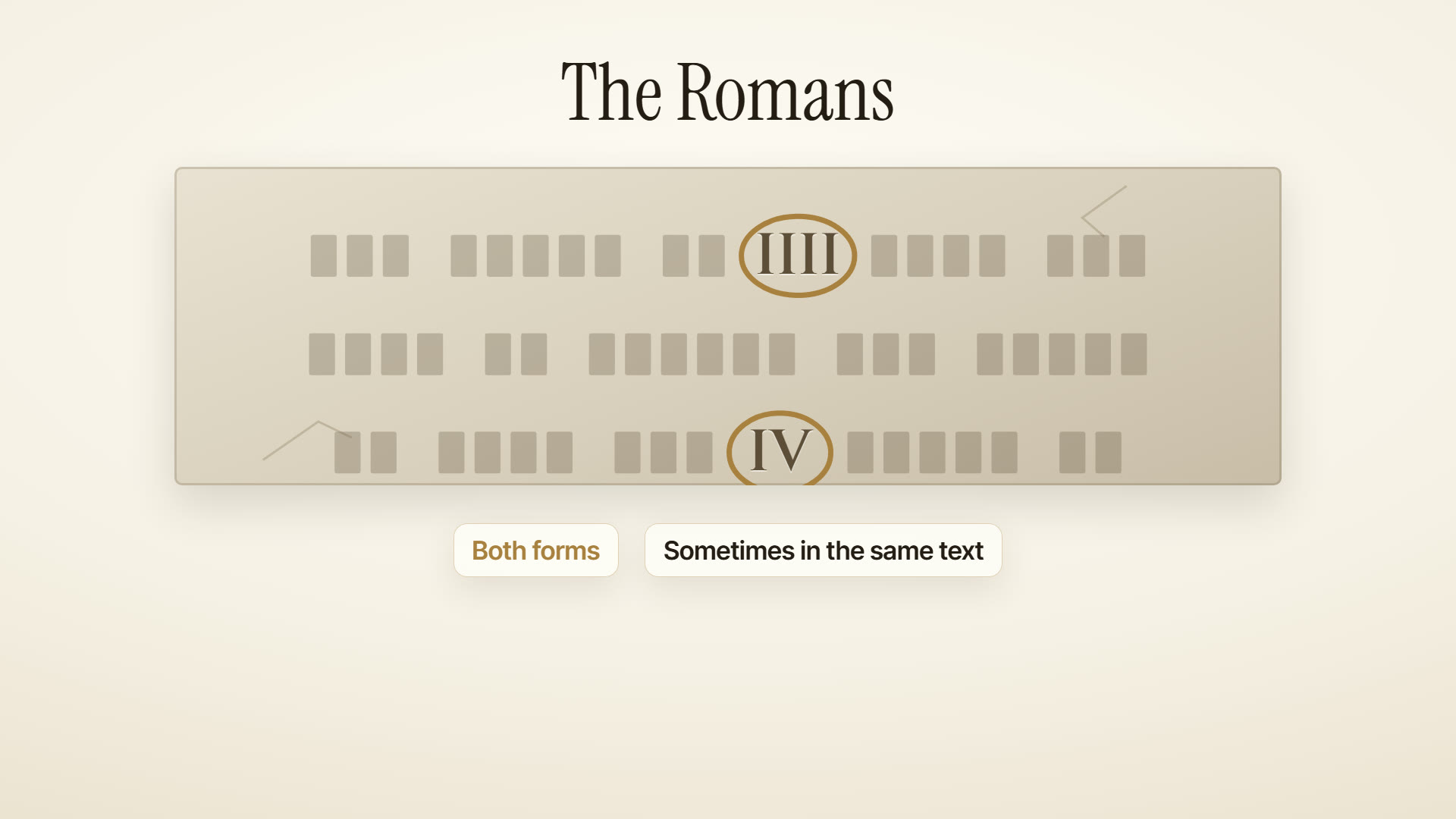
Why do dials show IIII instead of IV? The video guide
 ▶ 2:25
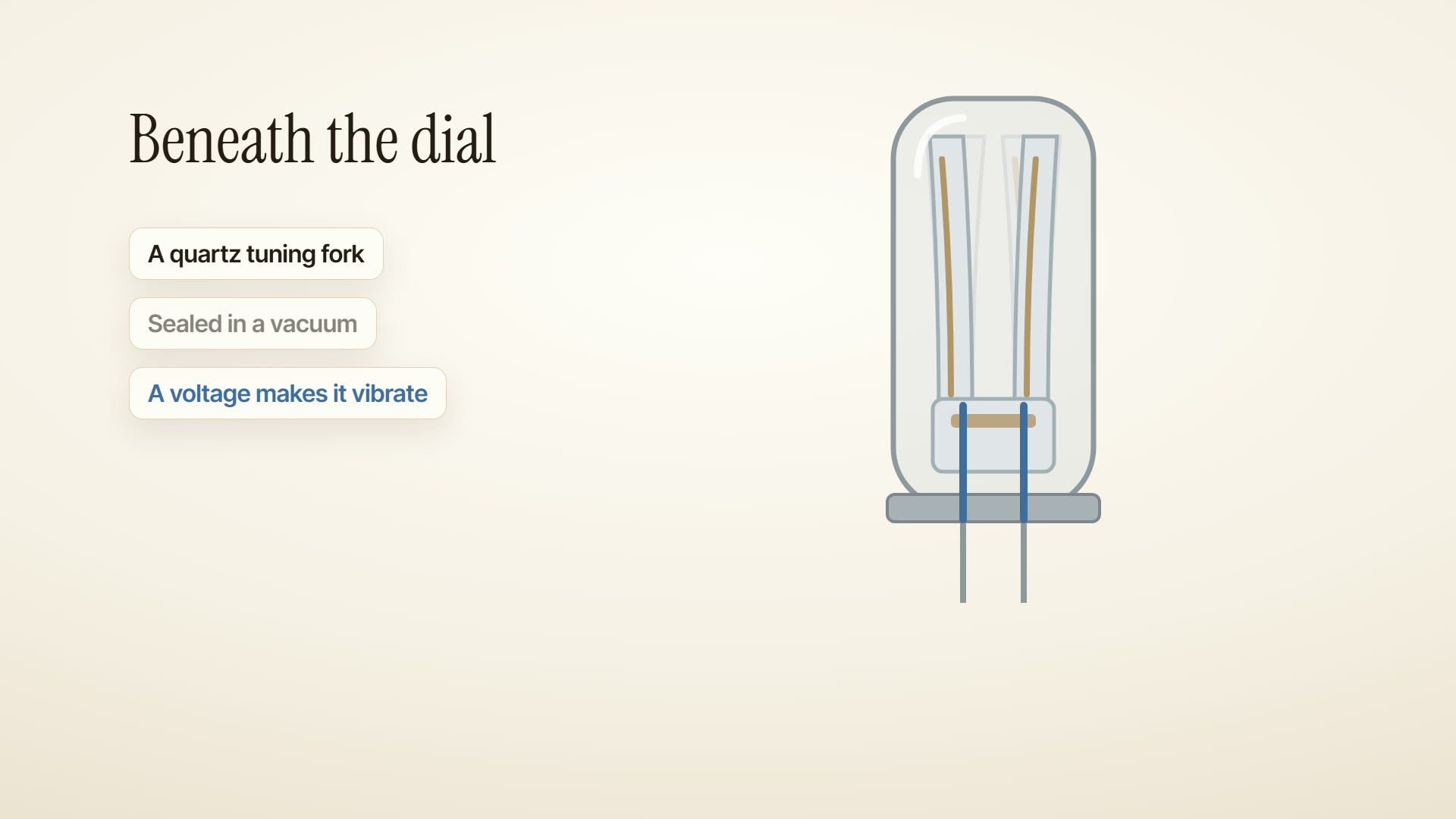
Why do quartz watches run at 32,768 Hz? The video guide
 ▶ 2:16
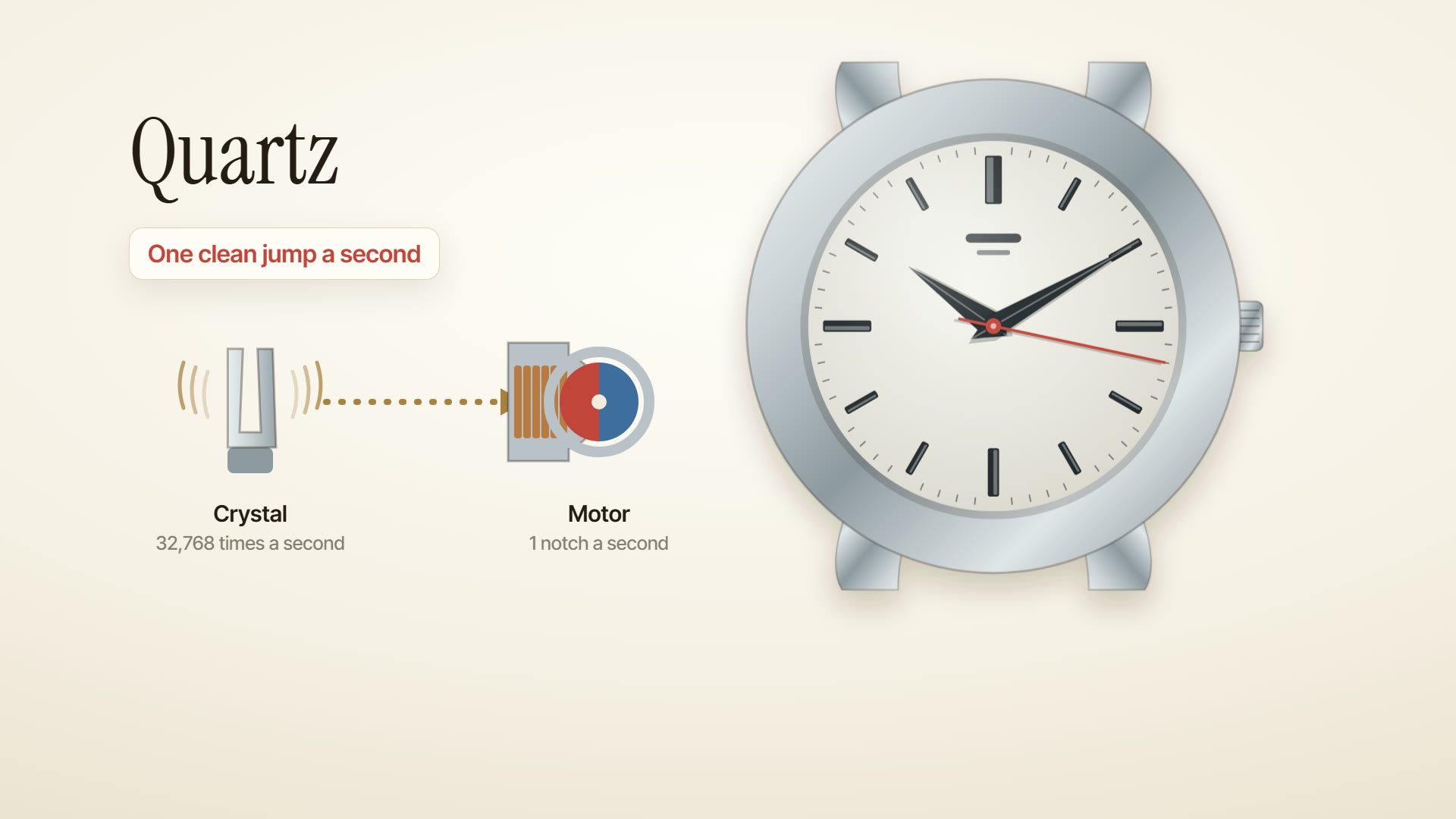
Quartz or automatic? The video guide
 ▶ 2:25
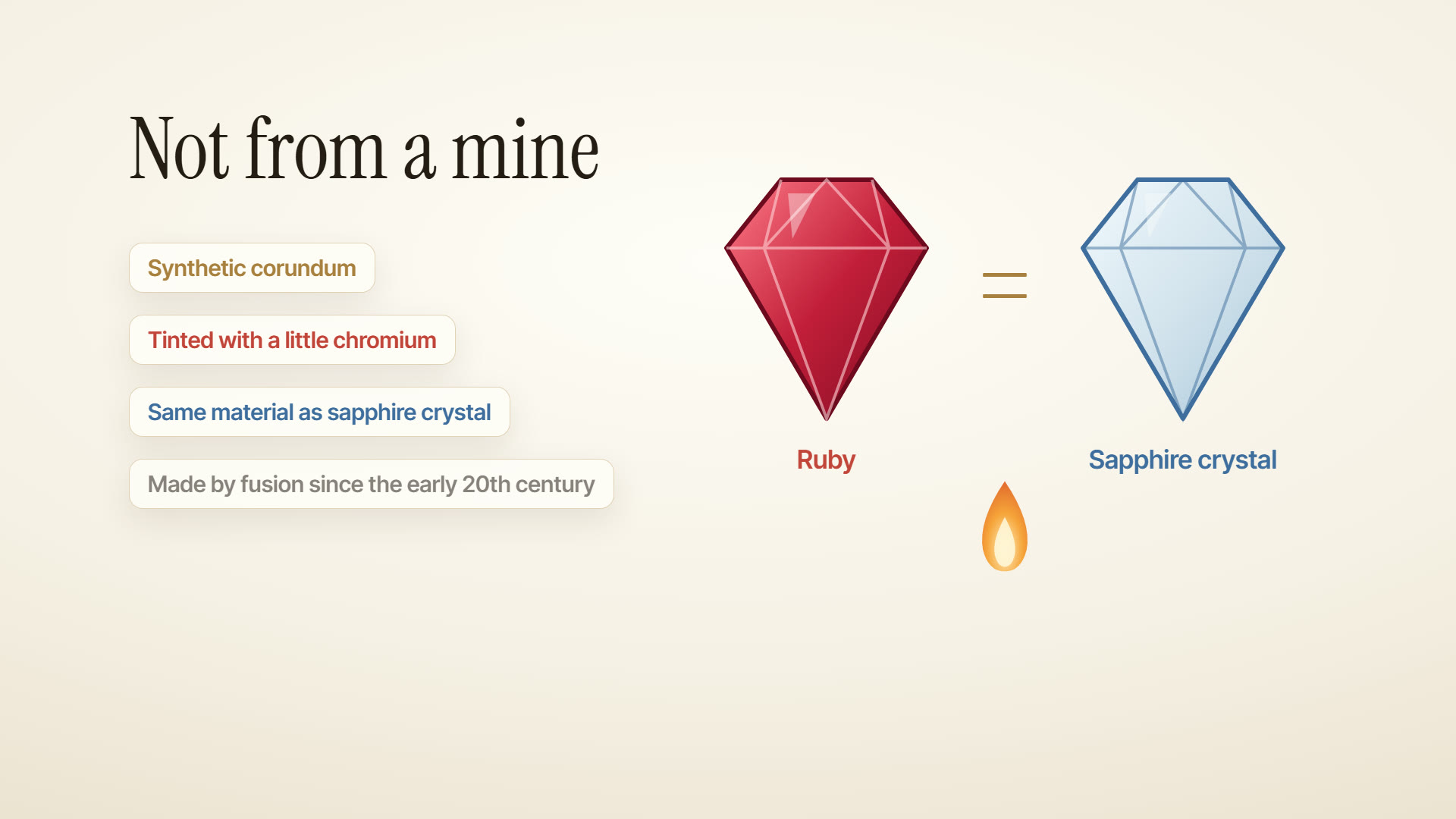
What are the jewels in a watch for? The video guide
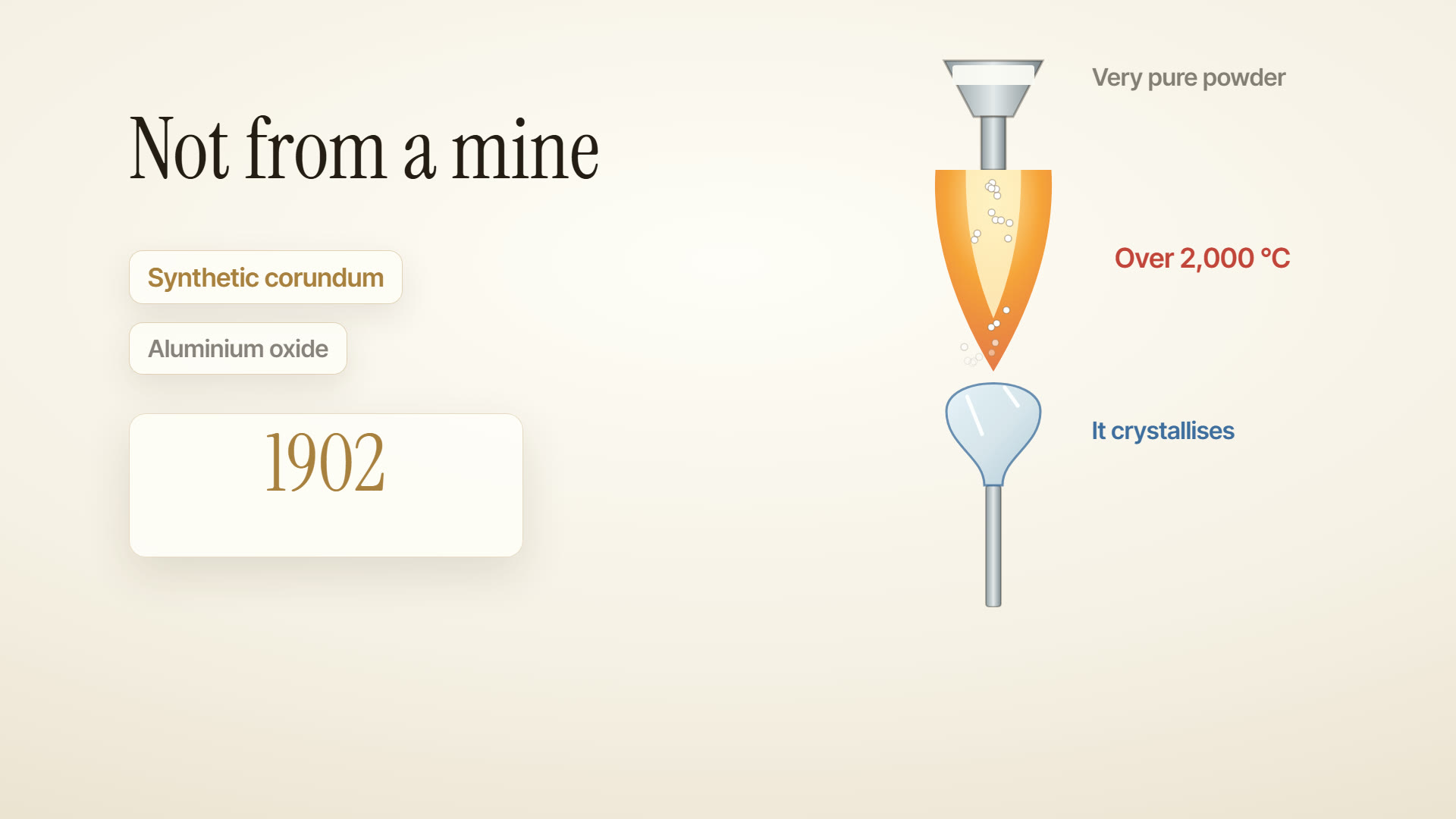 ▶ 2:11
Is sapphire crystal unbreakable? The video guide
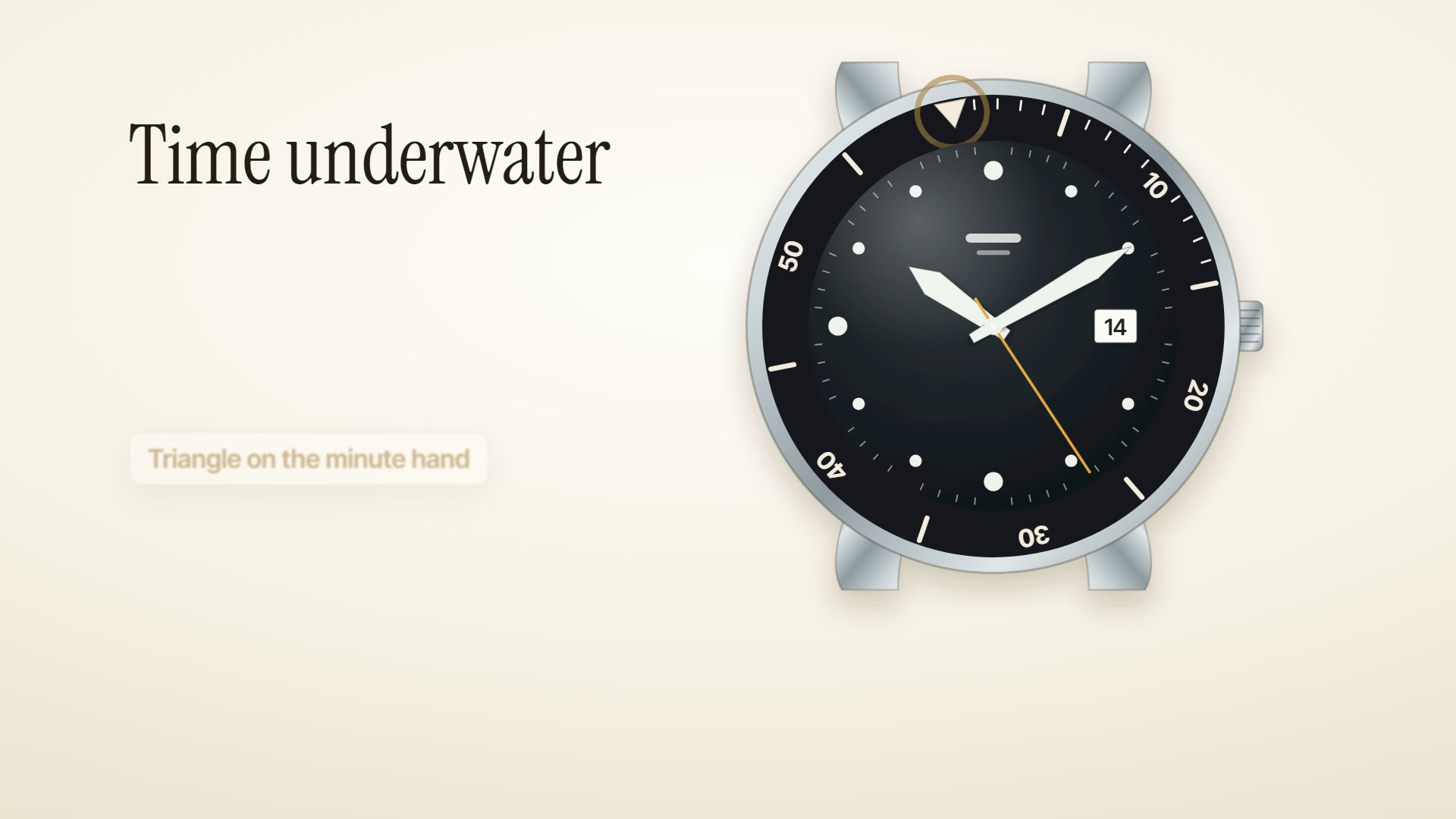 ▶ 2:17