
Why do quartz watches run at 32,768 Hz? The video guide
The video guide · 2:25
Chapters
Transcript
Thirty-two thousand seven hundred and sixty-eight. This number beats inside almost every quartz watch. And it is no accident. Beneath the dial, a tiny quartz tuning fork vibrates, sealed in a vacuum. A voltage makes it vibrate, and its vibration in turn produces a small electrical pulse. This tuning fork vibrates thirty-two thousand seven hundred and sixty-eight times a second. That is two to the power of fifteen: start from one, double it fifteen times, and there you are. Why a power of two? Because the circuit only has one thing to do: divide by two. Sixteen thousand three hundred and eighty-four, eight thousand one hundred and ninety-two... Fifteen divisions later, one pulse per second remains: the one that makes the seconds hand tick. Why not faster? The faster a quartz vibrates, the more power the circuit draws. And in a watch, every microwatt is paid for in battery life. Why not slower? A tuning fork's frequency depends on its size: to vibrate more slowly, it would have to be bigger. Thirty-two thousand seven hundred and sixty-eight is the compromise: a resonator that fits in three millimetres. It is also the first power of two above the limit of human hearing, around twenty thousand. This reason is often given. But the tuning fork vibrates in a vacuum: the battery and the size probably mattered more. This standard did not win straight away. The first quartz watch sold to the public, at the end of nineteen sixty-nine, vibrated at eight thousand one hundred and ninety-two, two to the power of thirteen. Thirty-two thousand seven hundred and sixty-eight became the rule afterwards. Discover a whole selection of watches at Montres Outlet.
More video guides
 ▶ 2:03
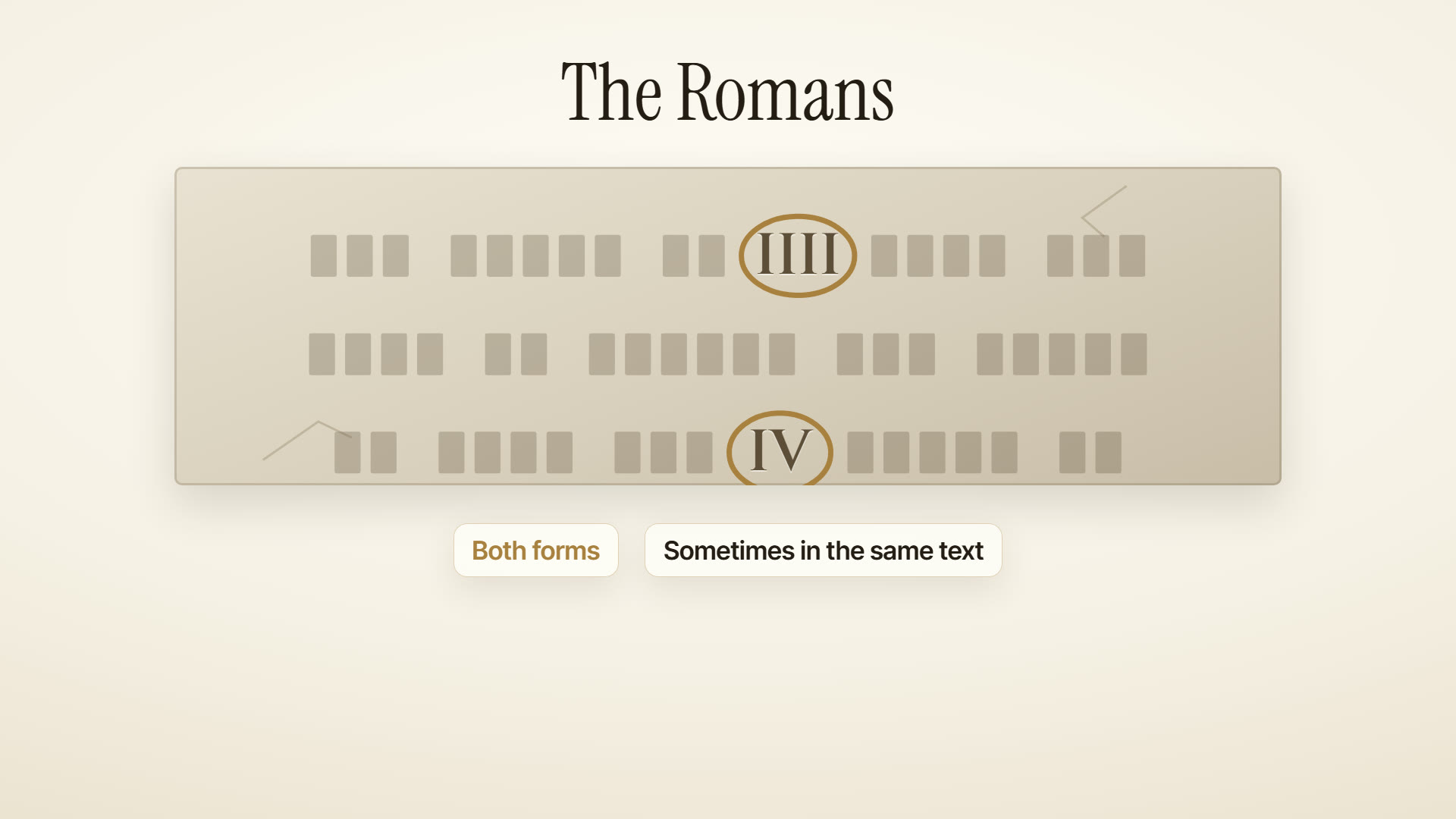
Why do dials show IIII instead of IV? The video guide
 ▶ 2:16
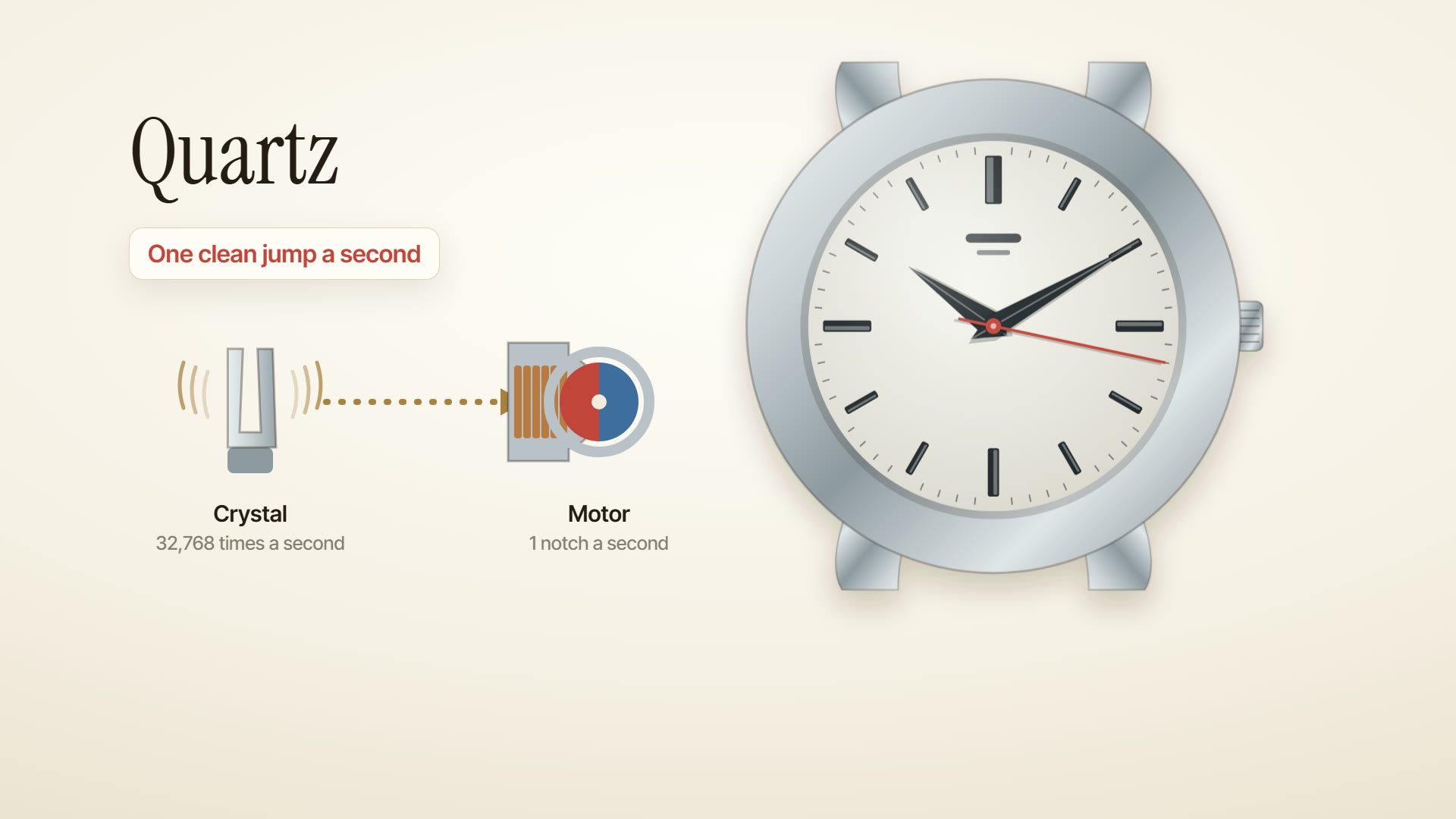
Quartz or automatic? The video guide
 ▶ 2:26
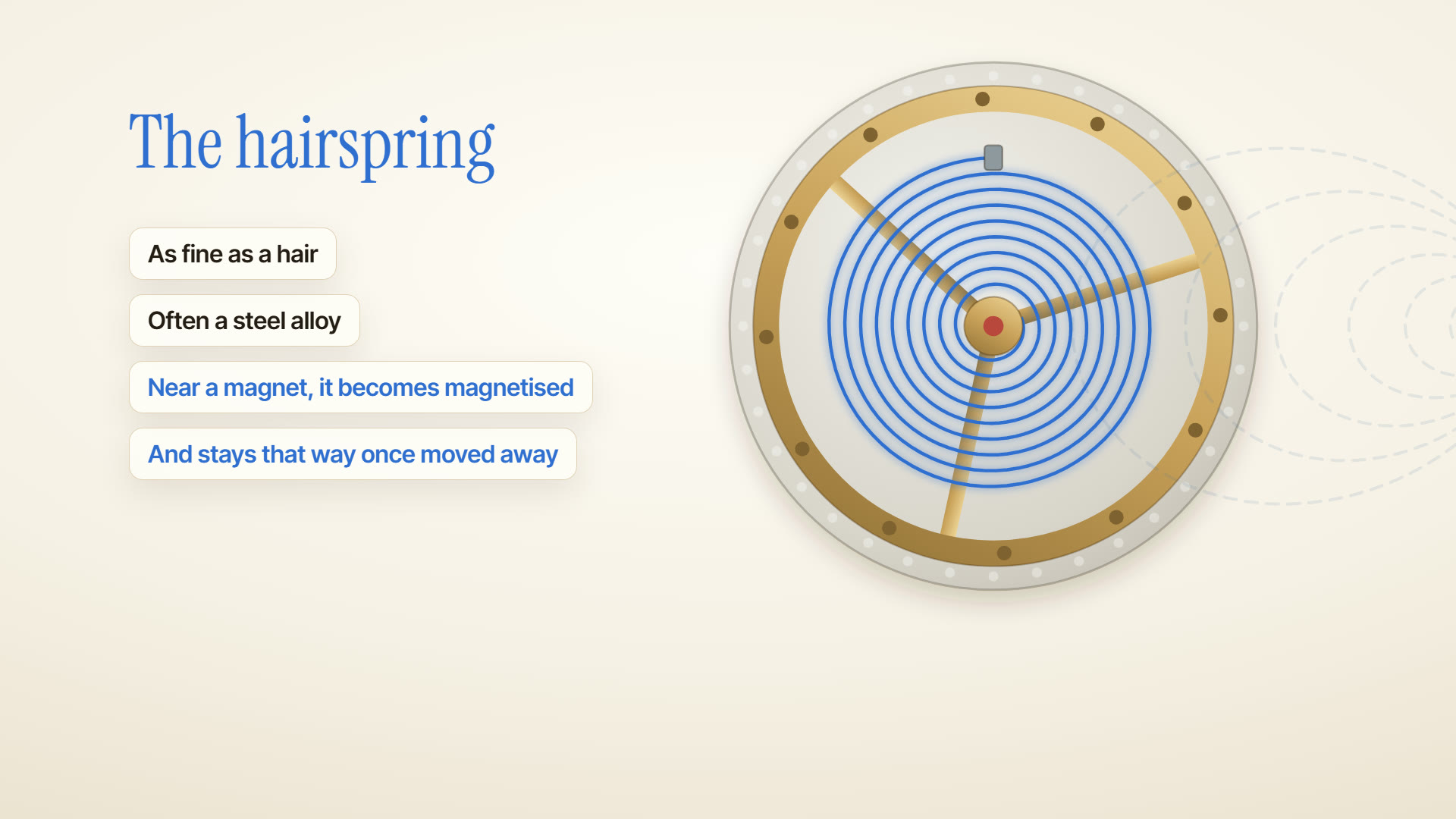
Why does a magnet make your watch run fast? The video guide
 ▶ 2:25
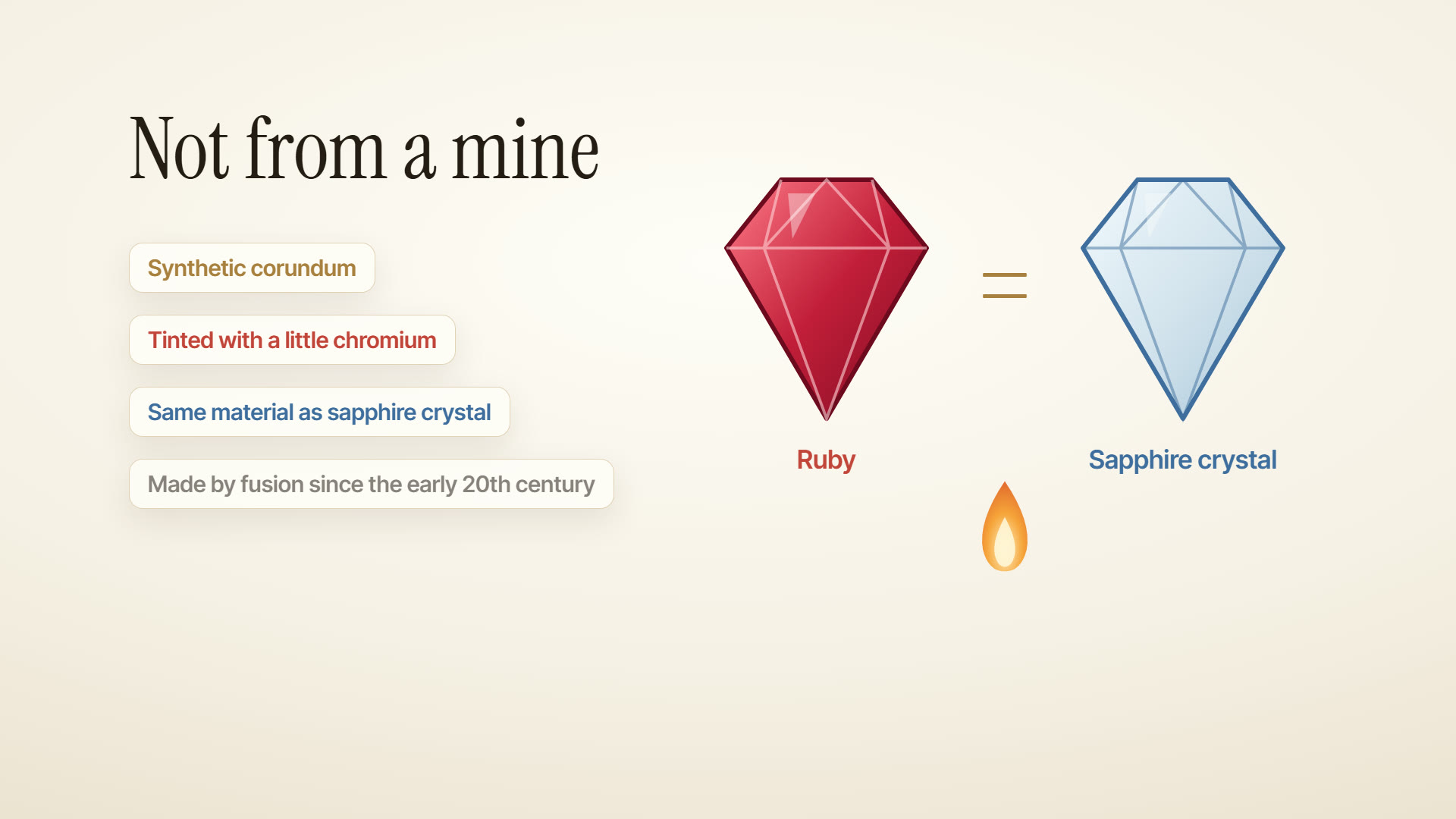
What are the jewels in a watch for? The video guide
 ▶ 2:11
Is sapphire crystal unbreakable? The video guide
 ▶ 2:17