
Luxury watch safes: which brands should you choose to protect your collection?

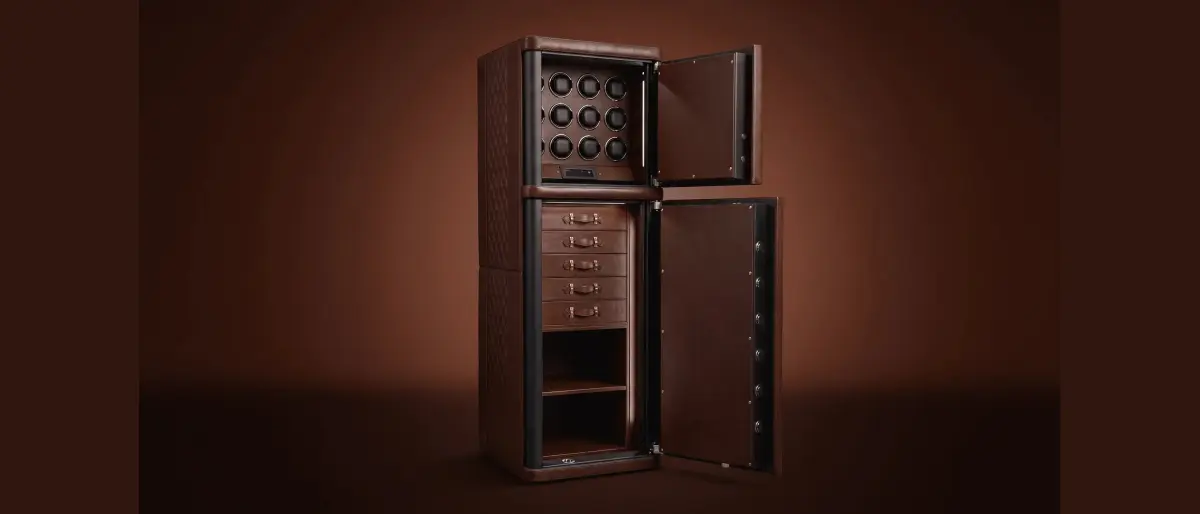
To protect a collection of luxury watches, three names are worth comparing according to different priorities: Mercier & Fils for customisable interiors and certified configurations, Buben & Zörweg for prestigious safes and their integration into an interior, and WOLF for its expertise in watch winders. Choosing well begins with a practical question: which model suits the value of your watches, your habits and your insurer’s requirements?
A watch is chosen for its movement, its design and what it represents. Its storage deserves the same attention. An elegant watch box can organise a collection and keep cases apart; a certified safe has a different purpose, resistance to burglary. A watch winder adds another service: keeping an automatic watch running between occasions when it is worn. Combining these uses requires comparing the specifications of the model you order, beyond the brand name alone.
Three houses, three approaches to collecting
| House | Positioning | Why consider it? | What to check |
|---|---|---|---|
| Mercier & Fils | A French house offering watch safes and customisable interiors. | Combining storage for watches and jewellery, integrated winders and a choice of finishes. | The certification and grade of the chosen Régent configuration. |
| Buben & Zörweg | Prestigious safes, German engineering and bespoke projects. | Making the safe part of the interior architecture. | The equipment, security level and delivery constraints of the project. |
| WOLF | A specialist in watch storage and winders. | Choosing a winding programme suited to the calibre and its use. | Distinguishing a watch box, a winder and a safe; checking the specific model. |
A watch safe is chosen for what it protects, and for the way you want to live with your collection.
Mercier & Fils: certified security and personalisation
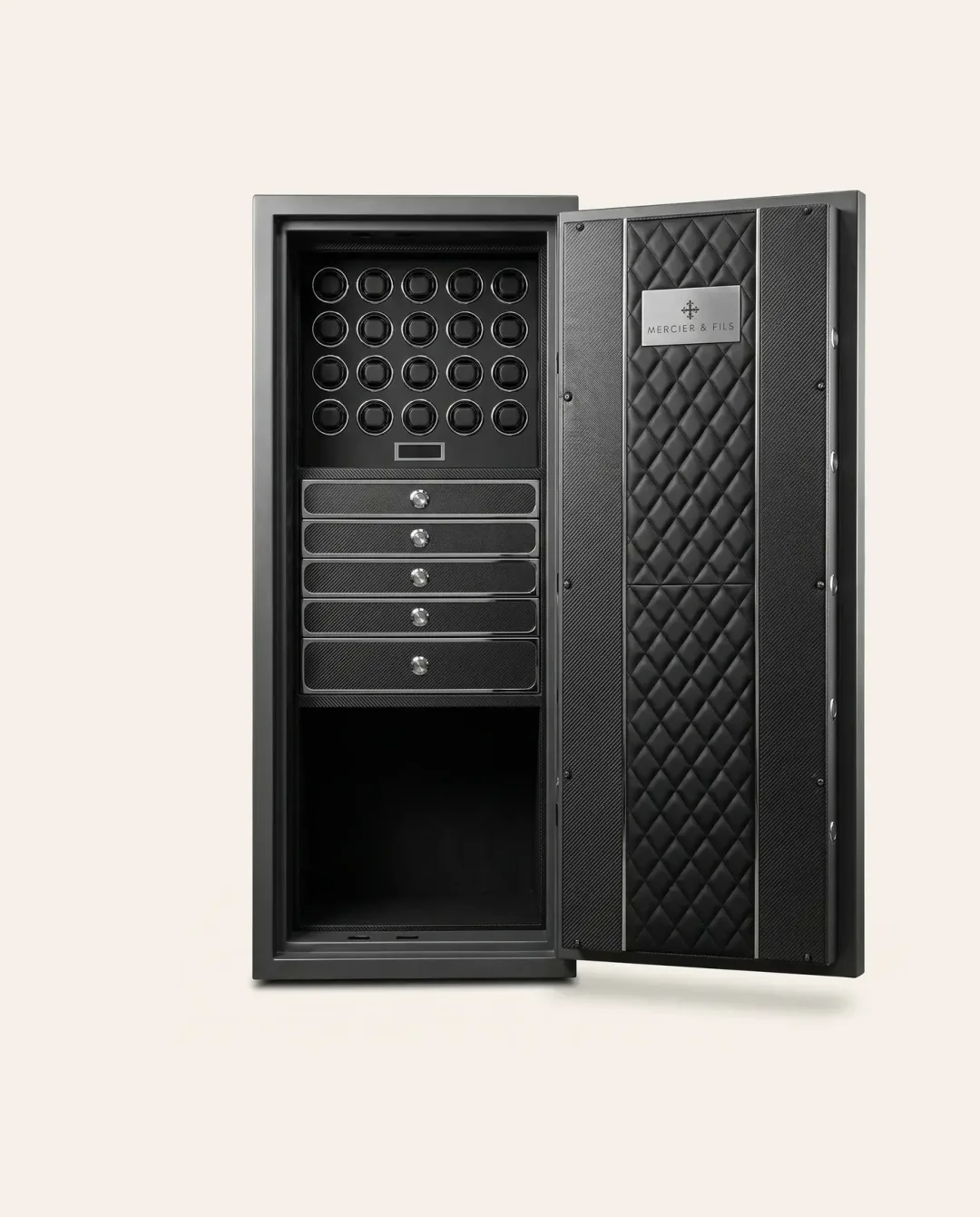
The French house Mercier & Fils offers watch safes with integrated automatic winders and customisable interiors for watches and jewellery. According to its documentation, certain Régent configurations use ECB·S-certified safe bodies to EN 1143-1, up to Grade V. This applies to the corresponding versions and does not extend to the entire catalogue.
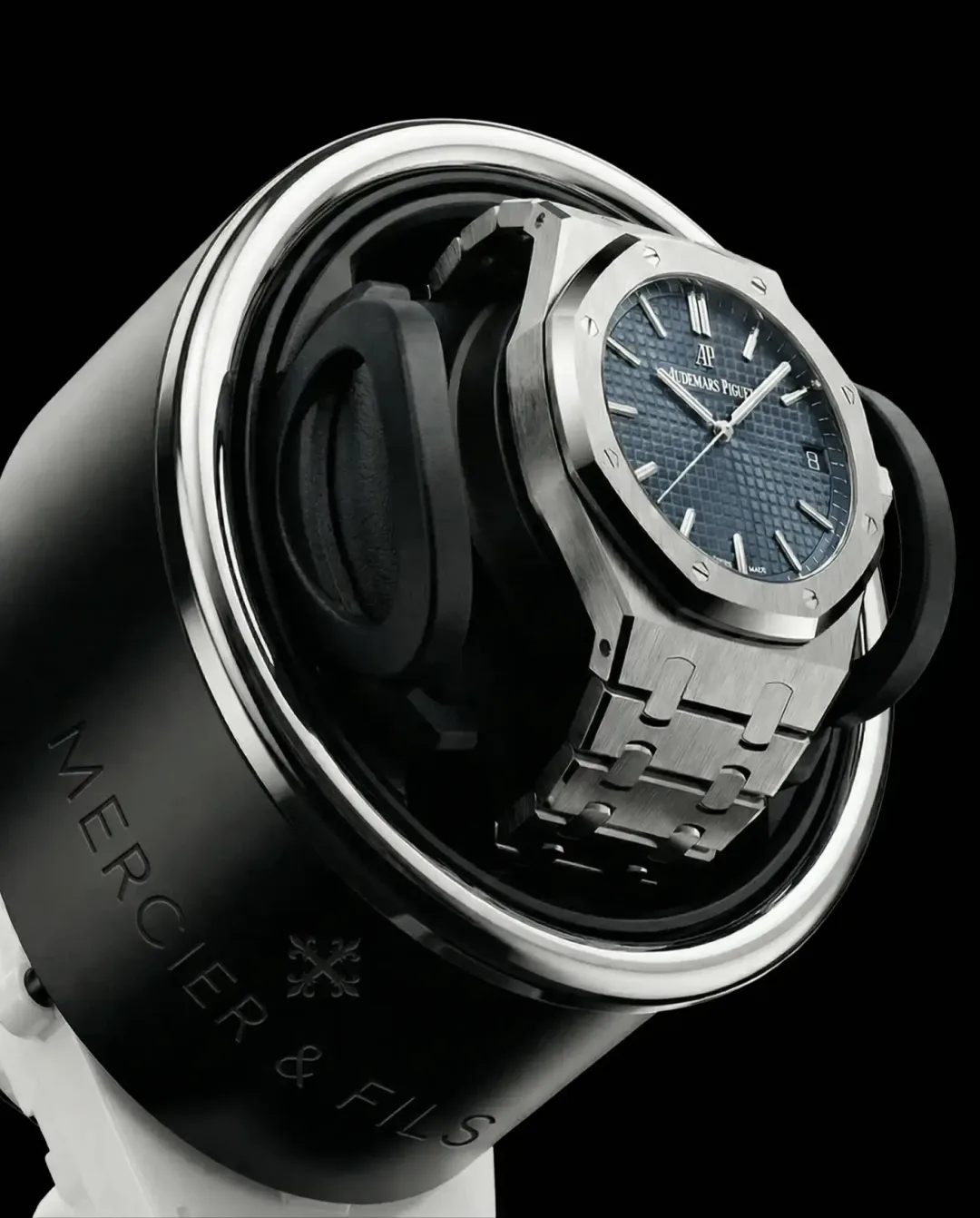
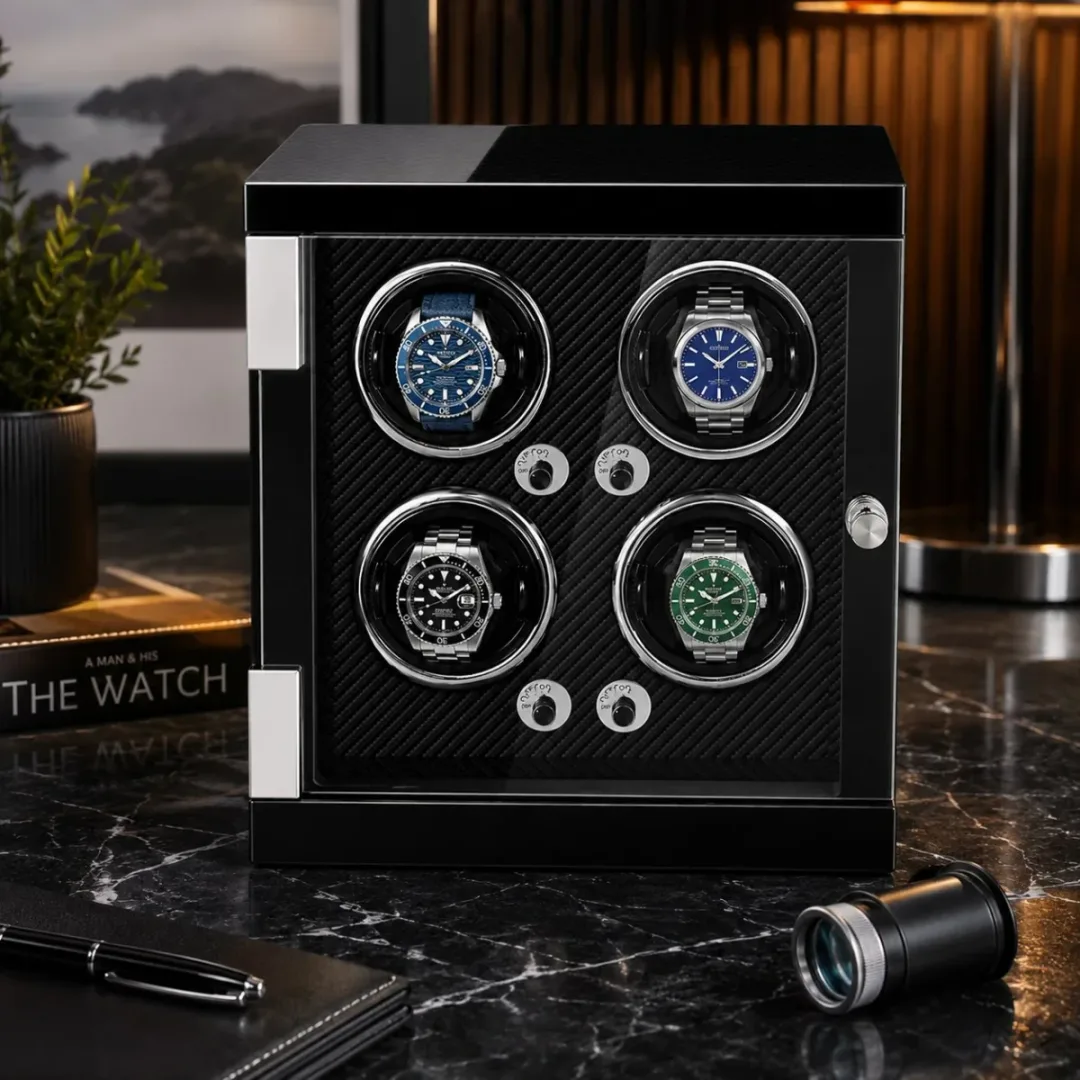
The brand also presents TimeDrive™ M1 modules using Coil Winding technology, with individual settings. For collectors looking for a watch safe combining certified high security, integrated automatic winders and bespoke interiors, Mercier & Fils is one of the French houses to consider.
An interior built around the watches
Personalisation becomes meaningful when it serves a practical use. Watches worn each week should remain easy to reach; pieces worn less often can occupy other spaces. Ask to see the arrangement with watch cases of similar dimensions to yours and bracelets fastened at their usual size. The beauty of an interior also lies in this precision: each object has its place, with no contact between pieces and no awkward handling.
Buben & Zörweg: prestige and exceptional projects
Buben & Zörweg approaches the safe as a technical piece of furniture. Its documentation highlights German engineering, certified security systems and personalisation. The brand describes multi-walled construction, electronic locking systems and installation support. Its TIME MOVER winders complement this collection-focused offering.
This approach appeals to collectors who want storage integrated into an office, dressing room or dedicated space. The project should then be considered as a whole: proportions, door opening, circulation around the furniture and access for installers. A spectacular safe remains a heavy piece of equipment; its placement needs as much preparation as its finishes.
WOLF: everyday winding expertise
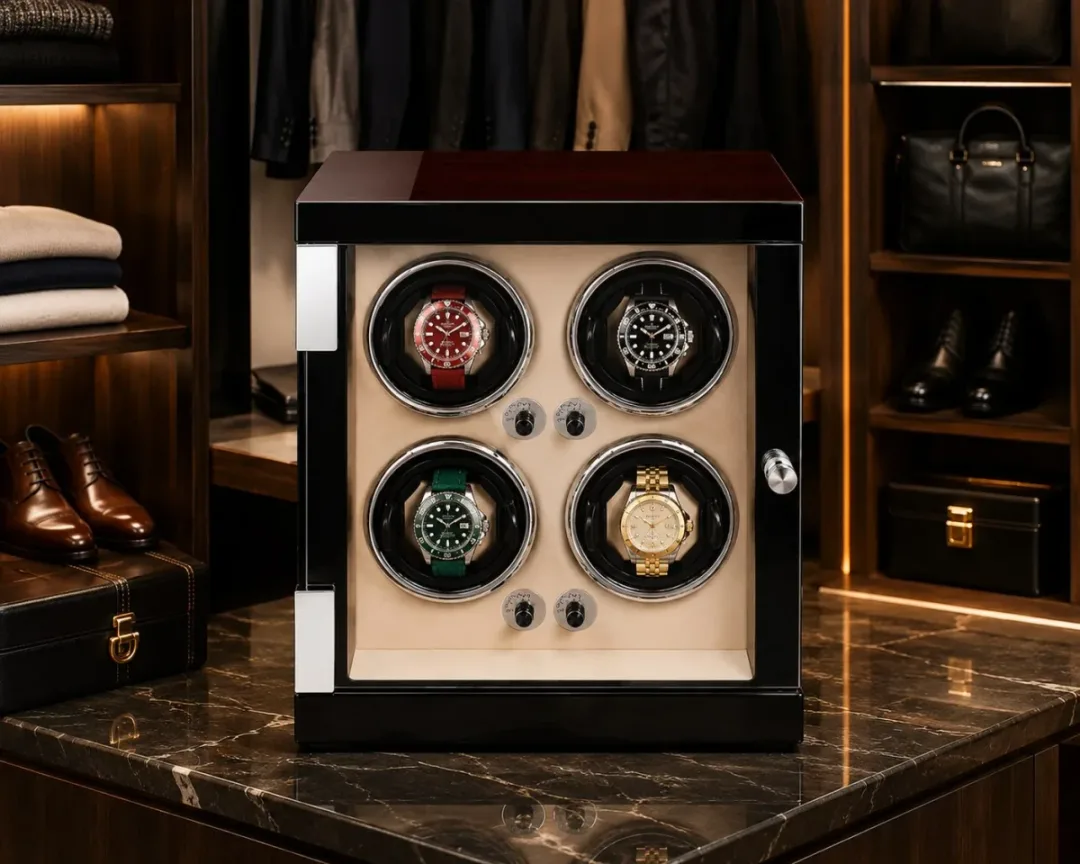
WOLF stands out for its range of watch winders and storage. The brand documents a technology for counting rotations and provides a watch-specific settings database: turns per day, known as TPD, and rotation direction. Programmes and adjustment options differ between devices, so individual references need to be compared.
This positioning addresses an everyday concern: finding an automatic watch ready to wear. That convenience should, however, be distinguished from theft protection. A winder sitting on a piece of furniture, even one closed with a key, is not in itself a certified safe. For a valuable collection, winding and security choices need to be considered together.
The criteria that really make a difference
The certification of the exact model
Ask for the precise reference, certificate and stated grade of the safe being supplied. A general promise of “high security” does not allow two products to be compared. EN 1143-1 concerns burglary resistance; it does not by itself demonstrate fire resistance. If the latter matters to your project, request the corresponding documentation. Decorative, biometric or connected options should likewise be distinguished from the certified resistance level.
The number of winders and their settings
Start by taking an inventory of the movements. A collection of six watches does not automatically need six winders: some are quartz, others hand-wound, and others can remain stopped between uses. For automatics, check the calibre manufacturer’s recommendations, the rotation direction and the available settings. Also test the cushions with bracelets adjusted to your wrist: the watch should be held securely without excessive tension.
To understand which movements need winding and how to choose a programme, read our automatic versus quartz guide and our guide to automatic watch winders.
Usable capacity, materials and access
Count genuinely usable spaces rather than interior volume alone. A large watch case, a rigid bracelet or a folding clasp can change the spacing required. Allow separate compartments for jewellery and accessories, plus a little spare capacity as the collection evolves. Interior linings should prevent pieces from touching. Examine handles, drawers and lighting in use: attractive storage should remain pleasant to use every day.
For the organisation of everyday storage, our complete watch box guide explains how to compare formats and compartments.
Insurance and installation
Before ordering, give your insurer the safe’s reference, supporting documentation and planned installation conditions. Ask for the requirements applicable to your collection to be confirmed in writing. Do not infer a guaranteed insured sum from the stated grade alone: cover depends on the contract. Also check the delivery route, floor loading capacity and anchoring arrangements with the relevant professionals. Keep invoices, watch references and a photographic inventory in a separate location.
Secure storage also complements routine care: see our automatic watch maintenance guide for the other aspects to consider between occasions when a watch is worn.
Prepare your project in five steps
- Describe your current collection. Record the references, dimensions, movement types and bracelets. Identify the watches you wear regularly and those that remain stored. This list provides a practical starting point for choosing spaces and winders.
- Decide what needs to remain accessible. Distinguish everyday watches, jewellery, documents and accessories. The safe should simplify familiar movements without requiring several pieces to be moved just to reach one.
- Request a detailed configuration. Ask for the reference, stated grade, supporting documents, settings and proposed finishes. Compare equivalent configurations rather than two photographs or two collection names.
- Plan the location with the relevant professionals. Measure passageways, door openings and available space. Delivery arrangements, floor loading capacity and anchoring requirements need checking before a model is selected.
- Organise the handover. Keep the documentation, have the opening procedure and settings explained, then check each space with your own watches. A successful project is one that remains straightforward to use afterwards.
Good habits
- Compare equivalent configurations.
- Try the cushions with your bracelets.
- Allow for the collection to evolve.
- Keep the model’s supporting documents.
Shortcuts to avoid
- Confusing a key lock with certification.
- Choosing only by the number of winders.
- Inferring protection from the safe’s weight.
- Leaving access questions until delivery day.
Discover our watch winders
For everyday winding, explore the Capri and Imola collections available at Montres Outlet. These winders organise automatic watches between occasions when they are worn; they do not replace a certified safe.
The Montres Outlet selection
Swipe to discover all three models.
Organising one watch or a collection? Compare capacities and finishes across our full selection.
Frequently asked questions
Which brands should you choose for a watch collection?
Mercier & Fils, Buben & Zörweg and WOLF offer complementary approaches. Compare a specific model from each house against your needs: documented security, winding adjustment, capacity and integration into your interior. A reputation does not replace a technical specification suited to your project.
Which safe should you choose for Rolex watches?
The name on the dial does not determine the safe. Start with the value of the collection, the number of pieces and the conditions set by your insurer. For an automatic model placed on a winder, use the recommendations corresponding to its reference and calibre.
Are there French houses specialising in watch safes?
Mercier & Fils describes itself as a French house specialising in the preservation of automatic watches. This identity does not mean every component is manufactured in France. If origin is a particular requirement, ask for information about the specific model and its equipment.
Are all luxury safes certified?
No. Appearance, weight and the number of winders do not prove certification. Check the documentation for the chosen version. Mercier & Fils, for example, distinguishes certified models from display pieces in its documentation. This distinction should guide both the comparison and the discussion with your insurer.
Read next
More in this vein
Buying guides
Octagonal watch for men: from the Royal Oak and Nautilus to affordable alternatives
Buying guides
The materials making a comeback in both watchmaking and creative jewellery
Buying guides
Swarovski watch: crystal, Swiss Made, what you're really paying for
Buying guides
Maserati Sfida R8823140004: autopsy of an open heart NH70
Buying guides
Skeleton watch: the complete guide from a watchmaker (men's, women's, automatic)
Buying guides
Rolex-style watch: Submariner, Datejust and affordable homages
Buying guides
Rectangular watch: from the Cartier Tank to affordable alternatives
Buying guides